
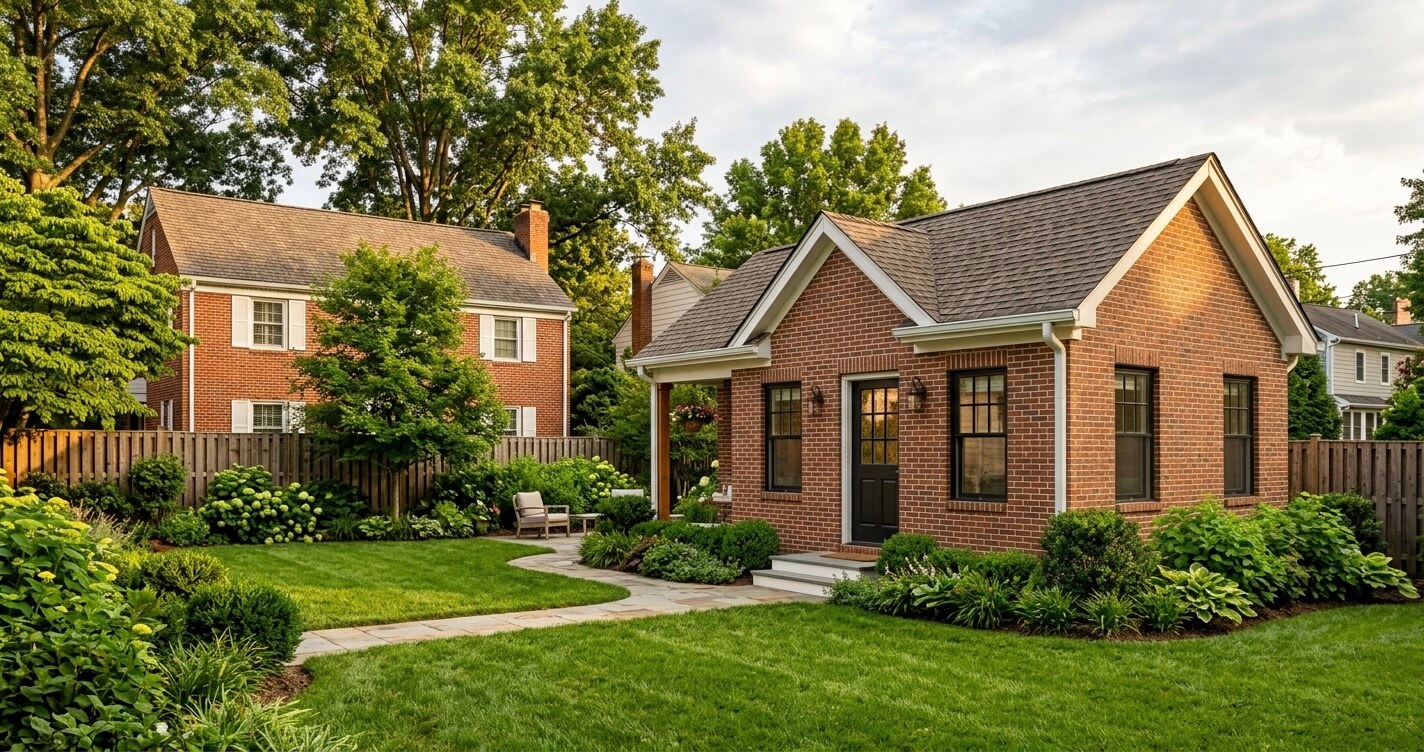
On July 28, 2026, homeowners in the City of Fairfax gained a new building option: the Fairfax City Council voted 4-2 to approve a detached ADU Fairfax City VA zoning ordinance, allowing freestanding accessory dwelling units on qualifying residential lots for the first time. Mayor Catherine Read broke a 3-3 tie on a procedural motion to postpone the vote before the council moved forward with approval.
For homeowners who have watched neighboring jurisdictions debate accessory dwelling units for years, this ordinance change is significant, and easy to misread, since it applies only inside the City of Fairfax’s boundaries, not the surrounding Fairfax County. With years of design-build experience across Northern Virginia, US Home Design Build has tracked how ADU rules shift from one jurisdiction to the next, and this guide breaks down exactly what changed, who qualifies, and what to expect if you are considering a detached ADU Fairfax City VA project.
What Did the Fairfax City Council Actually Approve?
On July 28, 2026, the Fairfax City Council voted 4-2 to approve zoning ordinance amendments permitting detached accessory dwelling units (ADUs) on qualifying residential lots within the City of Fairfax. The measure passed after a procedural motion to delay the vote until September failed on a 3-3 split, which Mayor Catherine Read broke by voting to proceed.

Council members Anthony Amos, Billy Bates, Stacey Hardy-Chandler, and Tom Peterson voted in favor of the zoning amendments. Council members Stacy Hall and Rachel McQuillen voted against the ordinance, though both said afterward that they supported accessory dwelling units in principle and objected mainly to acting before residents had more time to review the proposal. Councilmember Hardy-Chandler noted before the vote that the change “opens up an opportunity for some families,” citing a neighbor’s experience with a similarly structured living arrangement. (Source: FFXnow)
New Detached ADU Rules in Fairfax City (Size, Height, Parking)
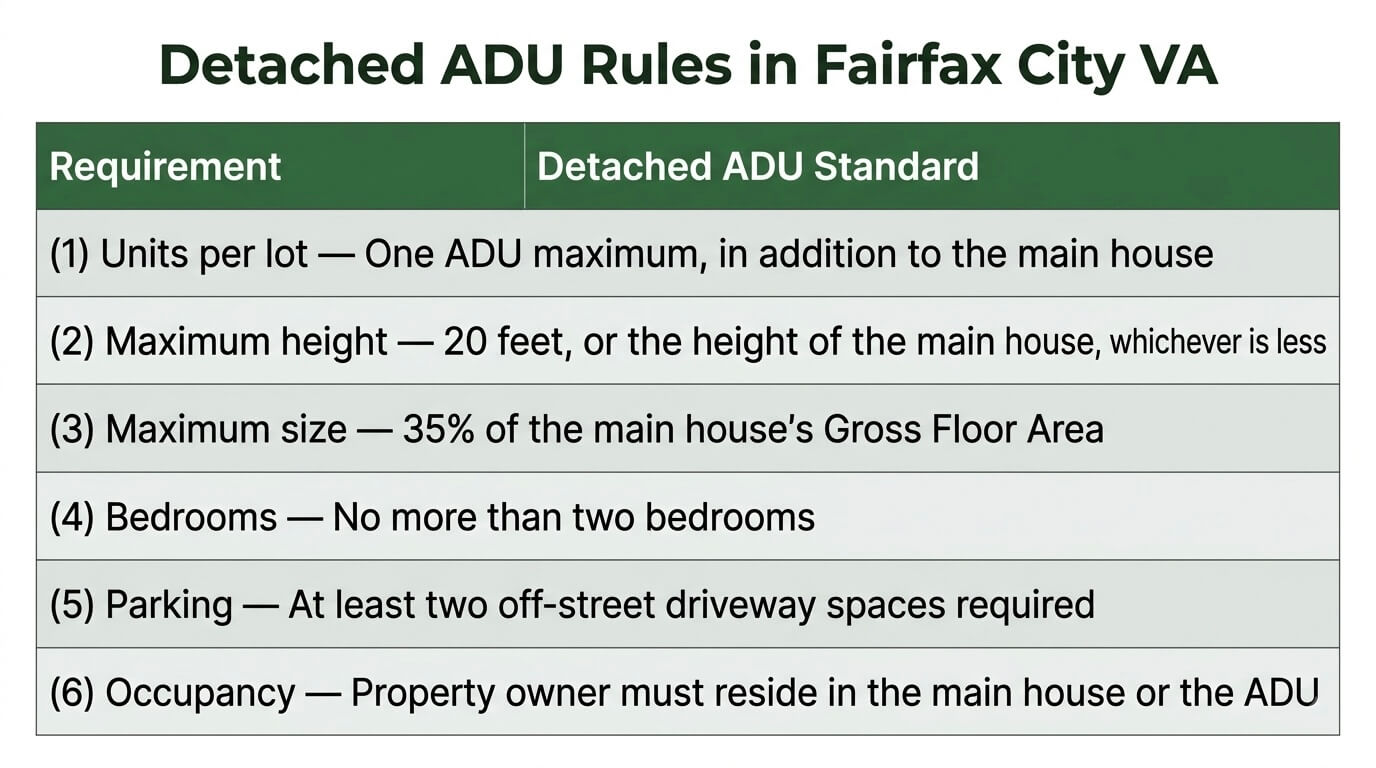
Detached ADUs in Fairfax City may not exceed 20 feet in height, or the height of the main house, whichever is less. The unit is capped at 35% of the primary home’s gross floor area, may not include more than two bedrooms, and the property must have at least two off-street driveway parking spaces.
These standards apply on top of the general rule that already governed attached ADUs in the city: no more than one ADU per lot, and the property owner must continue to live in either the main house or the ADU. The full standards are codified in the Fairfax City Zoning Ordinance under §3.5.5.D.1.
Homeowners weighing a detached build against an interior conversion often find it useful to review site-specific feasibility with an ADU builder in Northern Virginia before committing to a floor plan, since lot coverage and setbacks can affect what fits on a given property.
Fairfax City vs. Fairfax County vs. Arlington: Why the Rules Are Different
Fairfax City is an independent city, legally separate from Fairfax County, so its new detached ADU ordinance does not change the rules for homeowners in McLean, Vienna, Reston, or elsewhere in the county. Fairfax County still generally limits detached accessory living units to lots of two acres or more, and Arlington County’s detached ADU rules remain under review as of 2026.
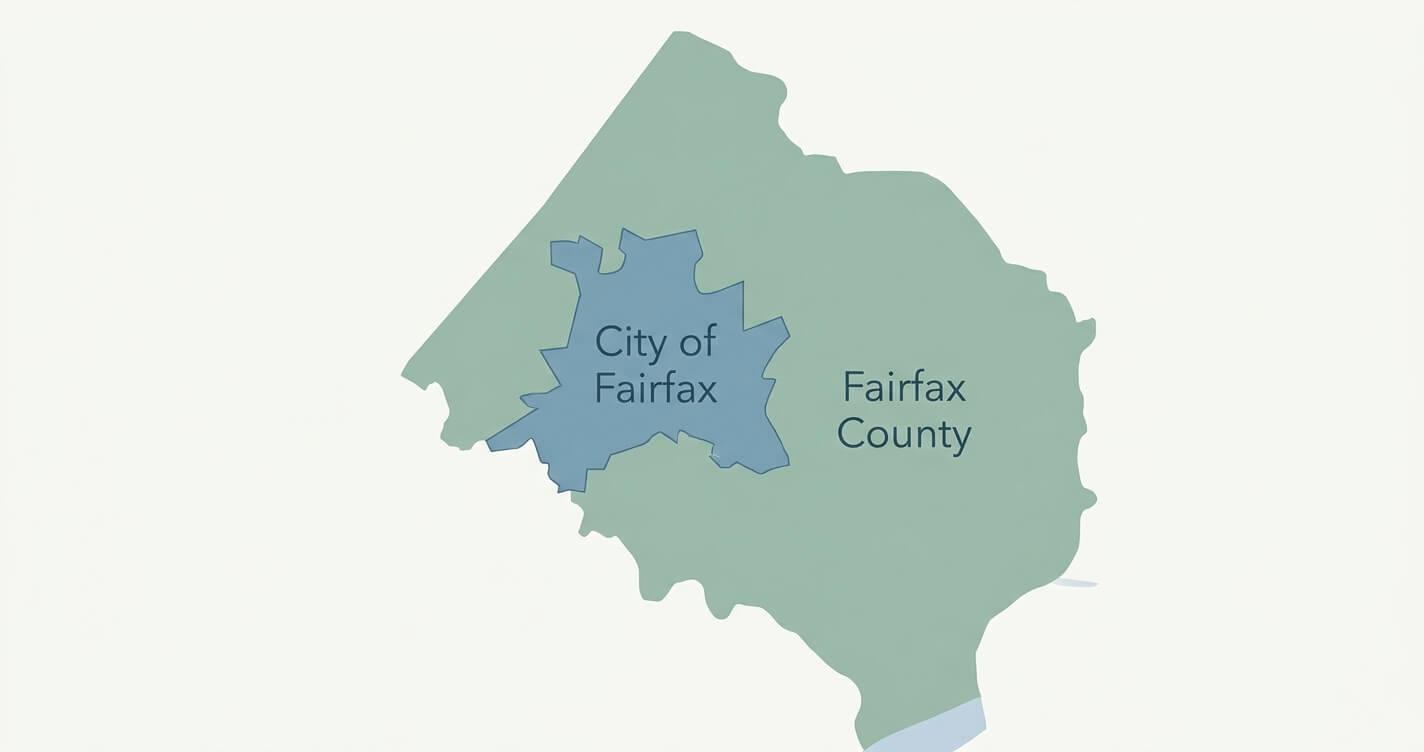
This distinction trips up a lot of homeowners because “Fairfax” refers to two separate governments: the independent City of Fairfax (roughly six square miles, fully surrounded by Fairfax County) and Fairfax County itself, which governs McLean, Vienna, Reston, Great Falls, Burke, and the rest of the surrounding area. A zoning vote in one does not apply in the other.
As of 2026, Fairfax County has approximately 158 approved accessory living units (ALUs) county-wide, representing about 0.08% of all single-family detached dwellings in the county, and detached ALUs there still generally require a minimum two-acre lot along with special-permit approval from the Board of Zoning Appeals.
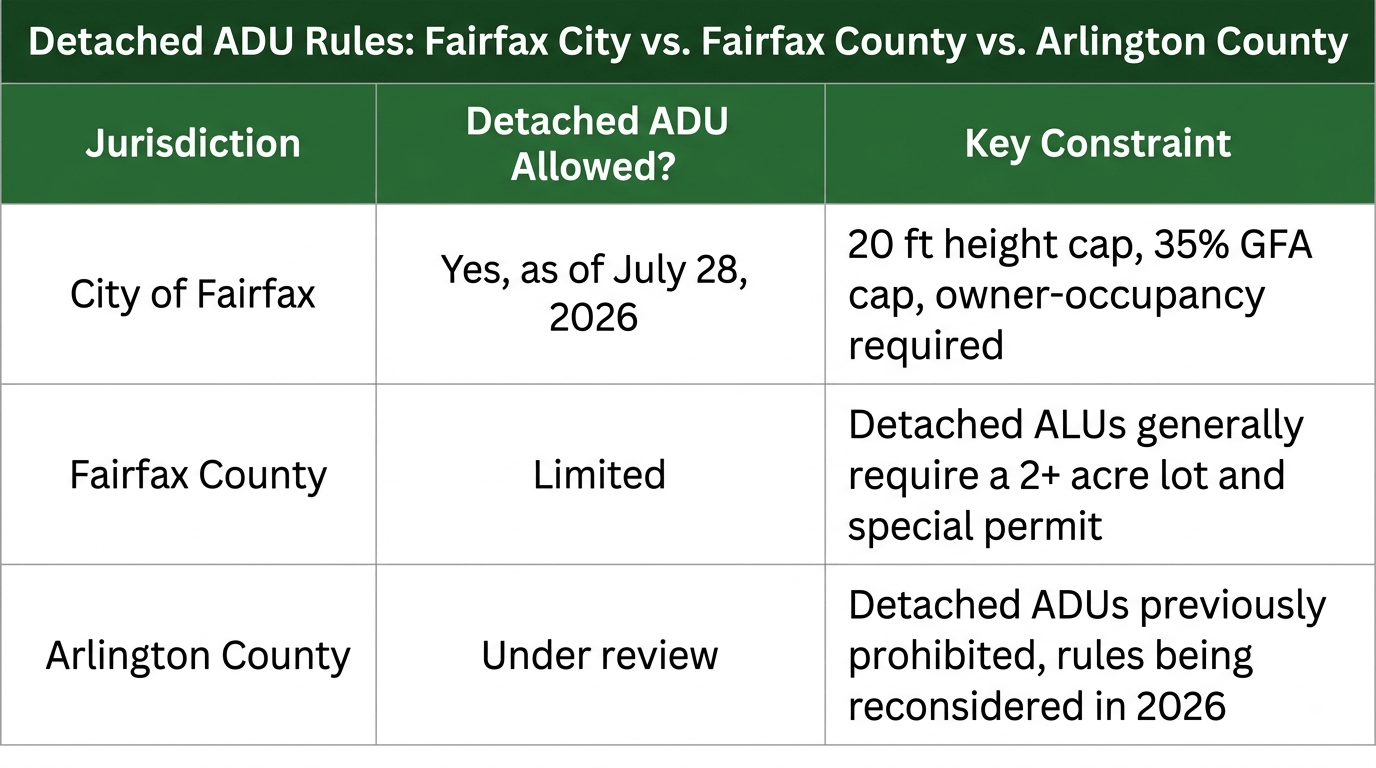
Homeowners in Fairfax County can review the county-specific rules in our ADU Permit Fairfax County VA guide, and Arlington homeowners can find current requirements in our ADU Permit Arlington VA guide.
How the New State ADU Law (Effective 2027) Fits In
Virginia’s statewide ADU law, HB611, requires most localities to allow ADUs by right starting July 1, 2027, but it exempts jurisdictions that already had an ADU ordinance in place by January 1, 2026, including the City of Fairfax, Fairfax County, and Arlington County. That means Fairfax City’s own July 2026 ordinance, not the state law, is what currently governs detached ADUs inside the city.

HB611 also caps ADU permit fees at $500 or less, restricts localities from requiring dedicated new parking in most cases, and limits how far setbacks can be pushed beyond five feet from the property line, once it takes effect. Because Fairfax City, Fairfax County, and Arlington already had their own ADU ordinances before the January 1, 2026 cutoff, none of the three is automatically bound by those statewide standards, though each may choose to align its local rules with them over time.
What This Means If You Live in Fairfax City
Homeowners in the City of Fairfax can now apply to build a freestanding backyard structure for aging parents, adult children, a caregiver, or a long-term tenant, as long as the property owner continues to live in either the main house or the ADU and the lot can accommodate the required parking and setbacks.
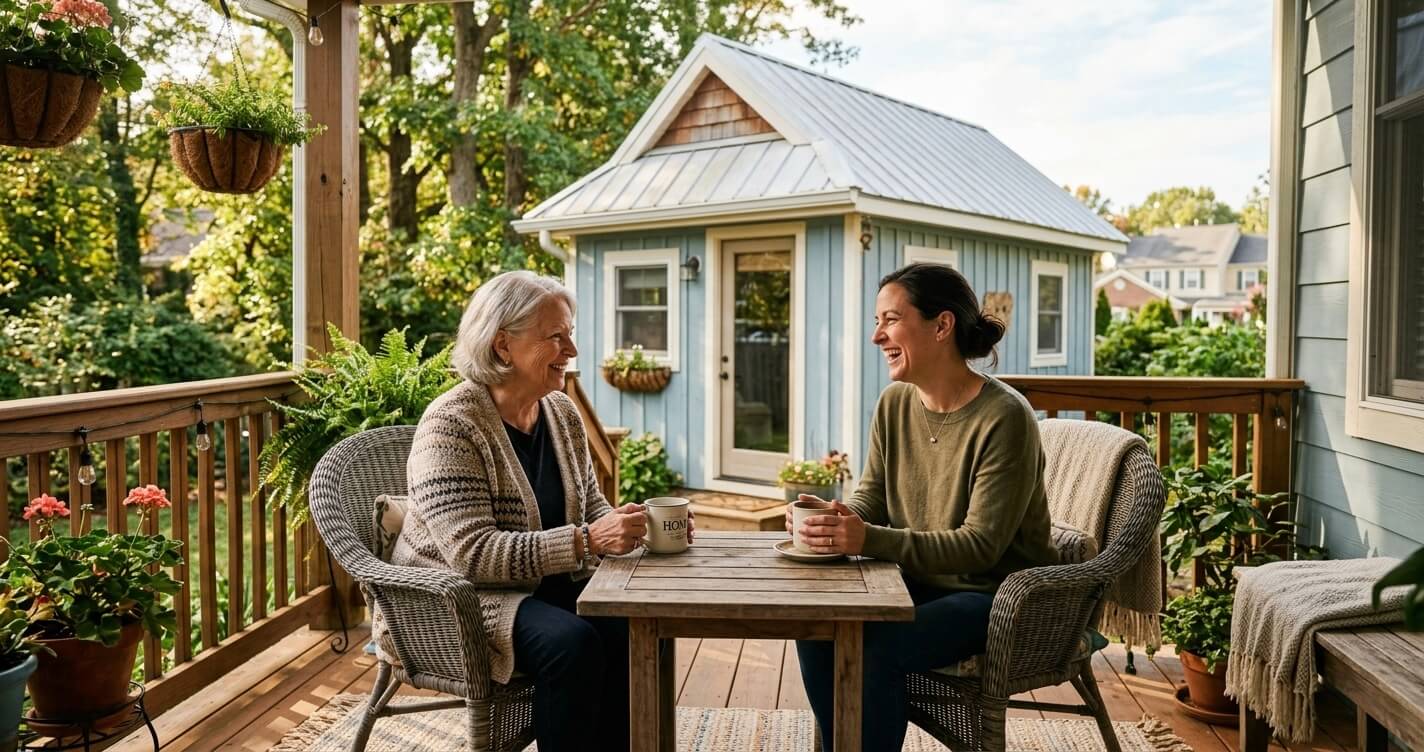
In practice, the ordinance opens up a few common scenarios that were previously difficult or impossible inside city limits: multigenerational households that want separate living space rather than a shared roofline, homeowners who want rental income from a private, detached unit, and families who want a dedicated home office or studio that does not eat into the square footage of the main house. Because the unit must stay within 35% of the main house’s floor area, larger homes generally have more flexibility on ADU size than smaller ones.
Homeowners exploring a detached ADU in Fairfax City may benefit from discussing site-specific feasibility, lot size, setbacks, and utility access, with an experienced design-build team before finalizing budgets or timelines.
For homeowners weighing a detached unit as a rental, our ADU tax benefits in Northern Virginia guide breaks down deductions and local relief programs, and our in-law suite addition page covers attached alternatives for multigenerational households.
Permit Process and Timeline for a Detached ADU in Fairfax City
Detached ADU applications in Fairfax City are reviewed by the city’s Department of Community Development and Planning, and homeowners should expect to submit a site plan, floor plan, and parking layout demonstrating compliance with the new size, height, and owner-occupancy standards before a building permit is issued.

Because the ordinance was approved in July 2026, homeowners should confirm current submission requirements and any interim guidance directly with the department before finalizing design plans, since procedural details can be refined in the months following a zoning change like this one. The city has stated that questions about the new standards can be directed to the Department of Community Development and Planning.
Budgeting realistically before applying helps avoid surprises later; our ADU cost guide for Northern Virginia outlines typical cost ranges and the factors that move a project up or down in price.
Design and Construction Considerations for a Detached ADU
A detached ADU functions as a small standalone home, so it needs its own foundation, roof, siding, and utility connections, decisions that affect both construction cost and how well the finished structure blends with the main house and the surrounding streetscape.
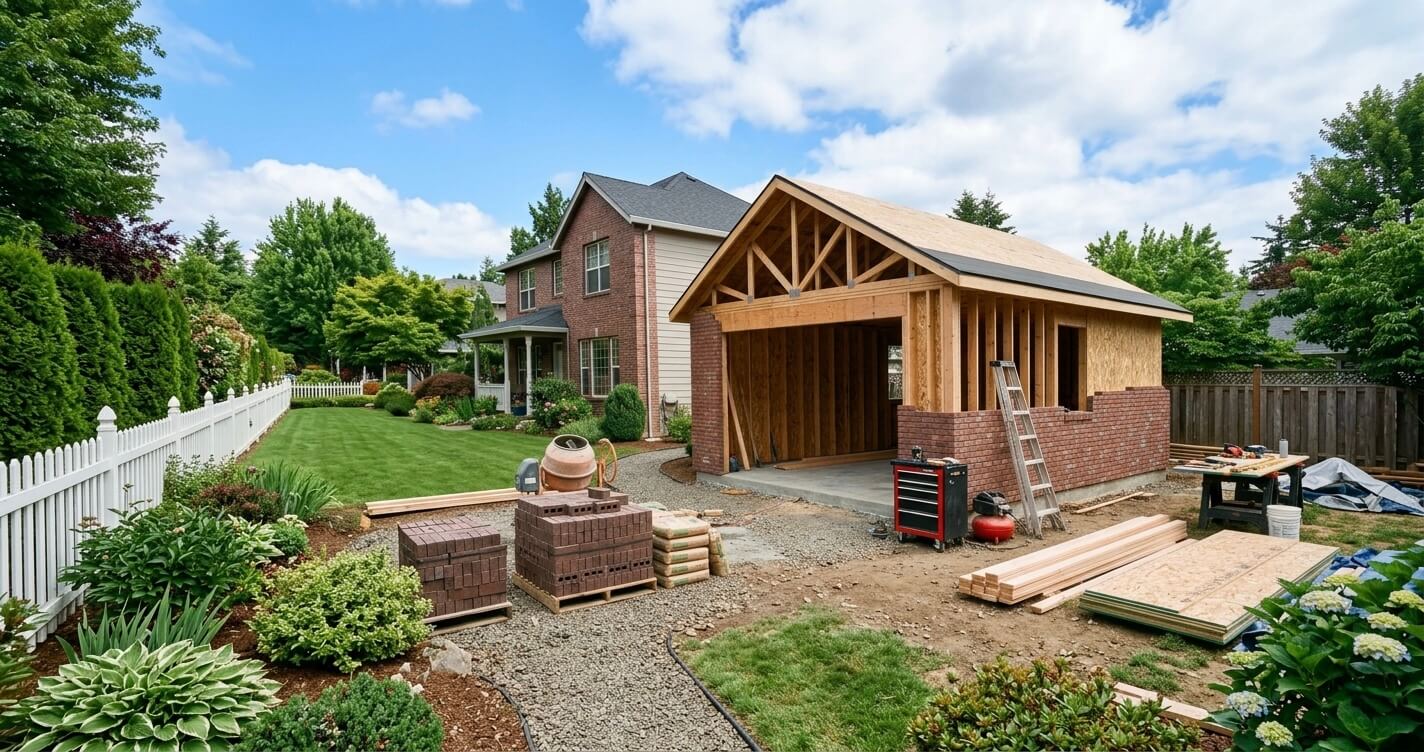
Homeowners in Fairfax City’s established neighborhoods generally get the best results, and the smoothest design review, when the detached unit echoes the roofline pitch, siding material, and trim details of the primary residence rather than reading as a mismatched outbuilding. Utility planning matters just as much as exterior design: running water, sewer, and electrical service to a detached structure typically costs more than an interior conversion, since it involves trenching across the yard rather than tying into existing lines inside the home. Homeowners should also plan for how the ADU’s required parking spaces will interact with the existing driveway and any mature trees or grade changes on the lot.
Frequently Asked Questions
When did Fairfax City approve detached ADUs?
The Fairfax City Council approved detached ADUs on July 28, 2026, in a 4-2 vote. The ordinance allows freestanding accessory dwelling units on qualifying residential lots within the City of Fairfax for the first time.
How tall can a detached ADU be in Fairfax City?
A detached ADU in Fairfax City may not exceed 20 feet in height, or the height of the main house on the property, whichever is less. This cap is set out in the city’s Zoning Ordinance, §3.5.5.D.1.
Do I need to live on the property to build a detached ADU in Fairfax City?
Yes. Fairfax City’s ordinance requires the property owner to reside in either the main house or the ADU. The rule is designed to keep the arrangement owner-occupied rather than allowing the property to be rented out entirely to non-owners.
Is a Fairfax City detached ADU different from a Fairfax County ADU?
Yes. Fairfax City and Fairfax County are separate jurisdictions with separate zoning ordinances. Fairfax City now allows detached ADUs by right on qualifying lots, while Fairfax County generally still requires a special permit and a minimum two-acre lot for a detached accessory living unit.
How many bedrooms can a detached ADU have in Fairfax City?
A detached ADU in Fairfax City may not include more than two bedrooms, regardless of the unit’s total square footage, as long as it also stays within the 35% gross-floor-area cap relative to the main house.
Does Virginia’s new statewide ADU law apply in Fairfax City?
Not automatically. Virginia’s statewide ADU law (HB611) takes effect July 1, 2027, but exempts localities that already had an ADU ordinance in place by January 1, 2026. Fairfax City’s own ordinance, approved locally, is what currently governs detached ADUs in the city.
How much parking is required for a detached ADU in Fairfax City?
A property with a detached ADU in Fairfax City must have at least two off-street driveway parking spaces. An existing driveway with room for an additional vehicle can typically satisfy this requirement without new construction.
Final Thoughts
The Fairfax City Council’s July 2026 vote gives homeowners inside city limits a genuinely new option: a detached ADU Fairfax City VA project that was not permitted before, subject to clear height, size, parking, and owner-occupancy standards. Because the rules differ from Fairfax County and Arlington County, and because Virginia’s statewide ADU law will not automatically apply here until at least 2027 and even then only outside jurisdictions with existing ordinances, homeowners are best served by working with a team that understands the specific standards governing their address, not just Northern Virginia’s rules in general.
Planning a similar project in Northern Virginia? Contact US Home Design Build to discuss your goals, budget, and timeline for a detached ADU in Fairfax City or elsewhere across Fairfax County, McLean, Vienna, Reston, Great Falls, and Burke.