
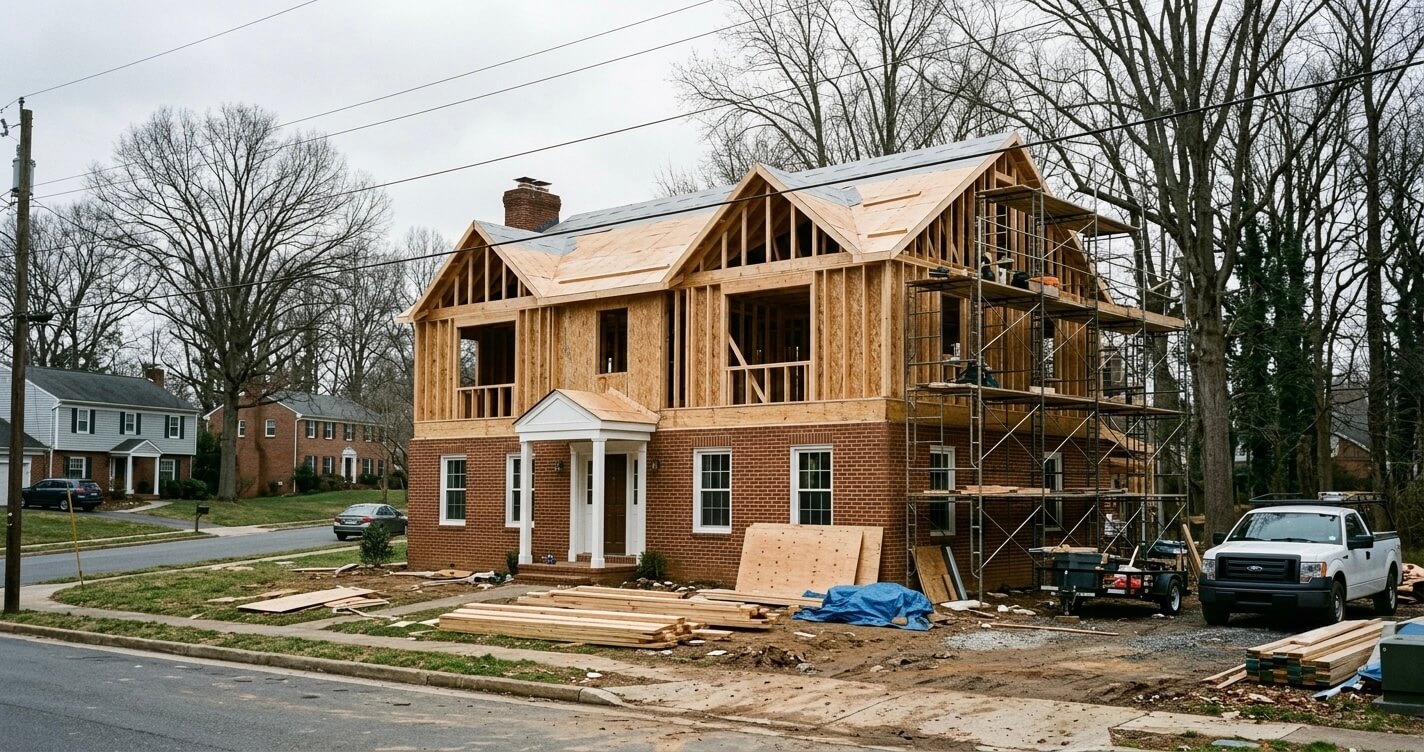
Choosing between a second story addition vs home addition Northern Virginia project usually comes down to one hard constraint: how much land is actually left on your lot.
Homeowners across Fairfax County, McLean, Vienna, Reston, Great Falls, and Burke are running into the same wall. Their neighborhoods were platted decades ago, their lots are fixed, and their families have outgrown the house that worked fine a decade ago. The two realistic paths forward are building a second story onto the existing footprint, or extending the home outward with a ground-floor addition. Both solve the same space problem. They do not solve it the same way, at the same cost, or on the same timeline.
National remodeling spending reached $280.1 billion on a seasonally adjusted annualized rate in the fourth quarter of 2025, accounting for 37.7% of total private residential fixed investment, according to the National Association of Home Builders (NAHB). That scale of activity shows up directly in Northern Virginia, where a growing share of homeowners are weighing a second story addition against a ground-floor home addition rather than putting their house on the market.
This guide breaks down the real differences; cost, timeline, structural fit, permitting, and long-term value, so you can decide which direction makes sense for your lot before requesting a quote. With years of experience delivering both addition types across Northern Virginia, our design-build team built this comparison from actual project patterns, not generic national averages.
What’s the Real Difference Between a Second Story Addition and a Home Addition?
A second story addition builds new living space above your home’s existing footprint, while a home addition (a ground-floor or single-story addition) extends your house outward onto new foundation. The right choice depends on your lot size, your budget, and how much disruption you’re willing to accept.
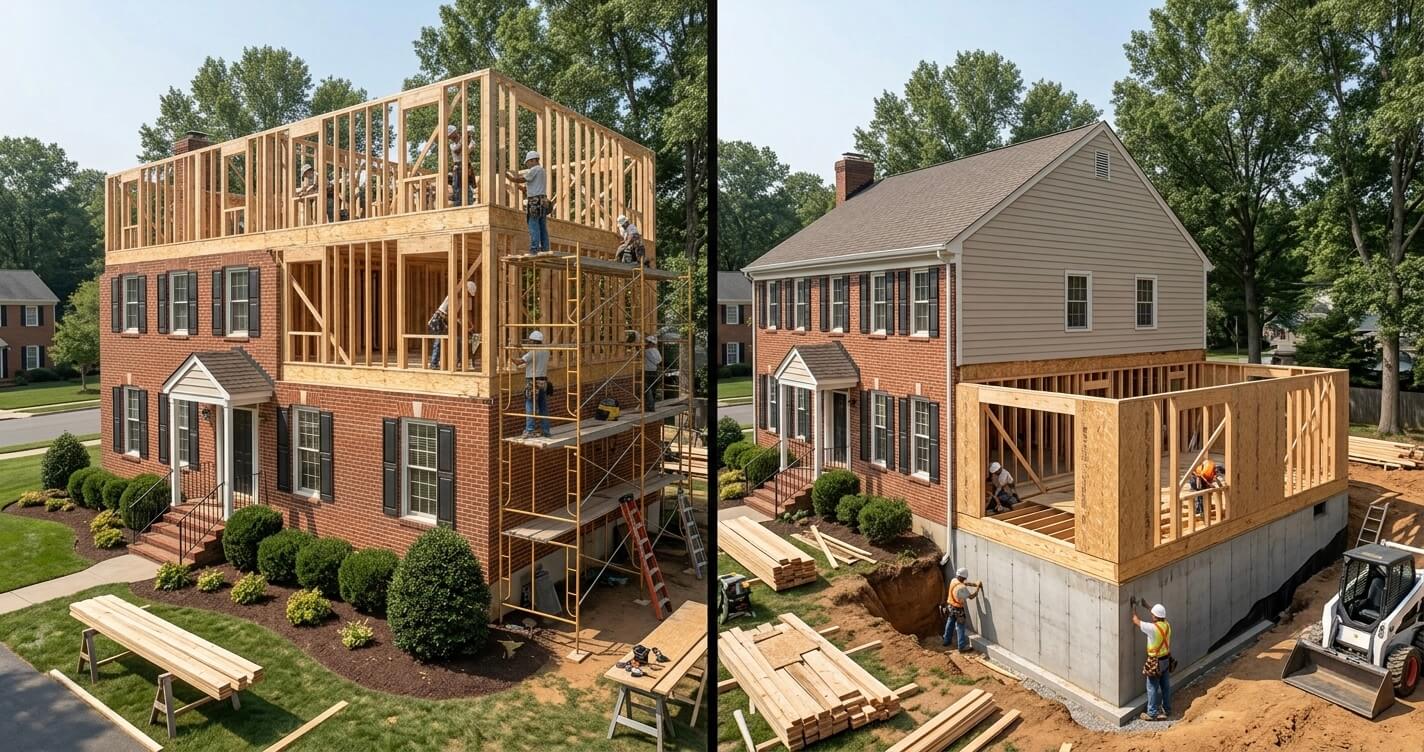
“Home addition” is the umbrella term for any project that adds square footage without increasing the number of stories at that section of the house, a bedroom addition, a kitchen addition, a sunroom, a master suite, or a dining room extension all fall under this category. A second story addition is structurally different: it requires the existing first floor and foundation to support new weight above, which is why it is evaluated, engineered, and priced separately from a ground-floor project.
Homeowners comparing a second story addition vs home addition Northern Virginia project often assume the two are interchangeable ways to “add a room.” They aren’t. One adds volume to your existing footprint; the other consumes yard space to create an entirely new footprint. That distinction drives almost every other difference in this comparison. For a full walkthrough of the vertical-expansion process, see USHDB’s second story addition services, which covers structural evaluation, design, and construction for homes throughout Northern Virginia.
Cost Comparison: Second Story Addition vs. Home Addition in Northern Virginia
Second story additions typically cost more per square foot than ground-floor home additions because they require structural reinforcement, temporary roof removal, and additional engineering. Ground-floor additions cost less per square foot on average but require usable yard space and new foundation work.
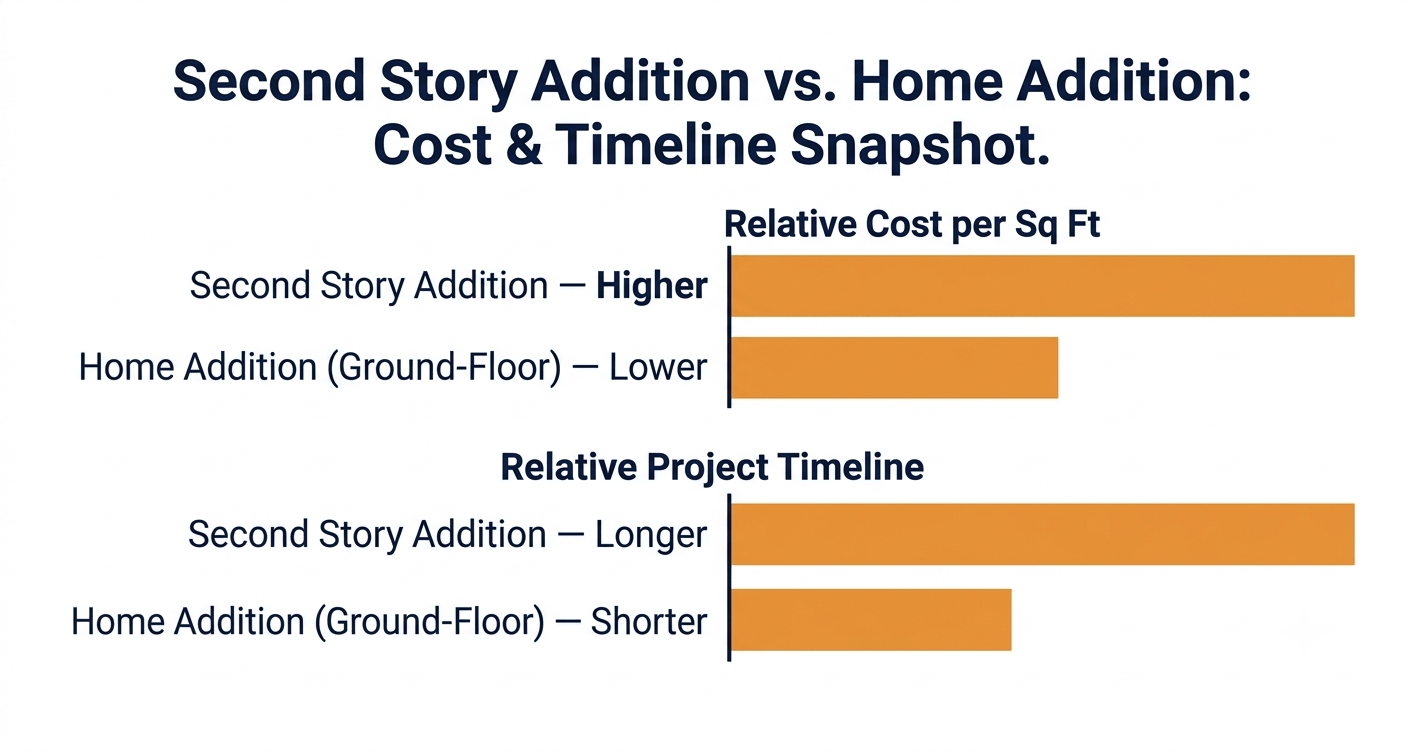
The cost gap exists for a specific reason: a second story addition has to support its own weight on a structure that wasn’t necessarily engineered for it. That means load-bearing wall assessments, foundation verification, and often reinforcement work before a single wall goes up on the new level. A ground-floor addition, by contrast, starts from a new foundation and doesn’t inherit any of the existing structure’s load limitations, but it does require excavation, footings, and utility extension that a second story project can sometimes avoid.
Pricing also shifts by city. In premium markets like McLean and Great Falls, higher property values, stricter architectural review, and higher labor costs push both project types toward the top of their respective ranges. In Fairfax County more broadly, costs trend more moderate, though permit and inspection requirements stay consistent across the county regardless of neighborhood.
For current, project-specific cost ranges, see USHDB’s second story addition cost guide and the home addition cost guide for Northern Virginia, both of which break down pricing by project size, finish level, and city.
Timeline Differences: How Long Does Each Project Take?
Ground-floor home additions generally move faster than second story additions because they don’t require temporary roof removal or phased structural work on an occupied home. Second story additions typically take longer due to engineering review, weather exposure risk, and the need to keep the existing first floor livable during construction.
A ground-floor addition can often proceed with the rest of the house essentially undisturbed; the crew is working in what was previously yard space, not inside your existing roofline. A second story addition is a different kind of project logistically: at some point the existing roof has to come off, which means weather exposure risk and, in many cases, temporary living arrangements during the most disruptive phase.
Permitting timelines compound this difference. Second story additions in Fairfax County trigger a more detailed structural and zoning review than most ground-floor additions, which adds weeks to the front end of the schedule before construction even starts.
When Building Up Makes More Sense (Second Story Addition)
Building up is usually the better fit when your lot is narrow, your setbacks are tight, or you want to add space without giving up yard area. It’s also the more structurally natural option for colonial and split-level homes already built to support a second floor.
Northern Virginia’s older, established neighborhoods often sit on lots that are smaller than what gets built today. The median lot size for new single-family detached homes nationally has fallen to roughly 8,400–8,560 square feet, down from 10,000 square feet in 1992, a shift toward more compact building over the last three decades, according to NAHB’s analysis of U.S. Census Bureau Survey of Construction data. For homeowners on smaller or irregularly shaped lots in Fairfax County, Vienna, or Reston, that shrinking-lot trend is exactly why going vertical is often the only realistic way to add meaningful square footage.
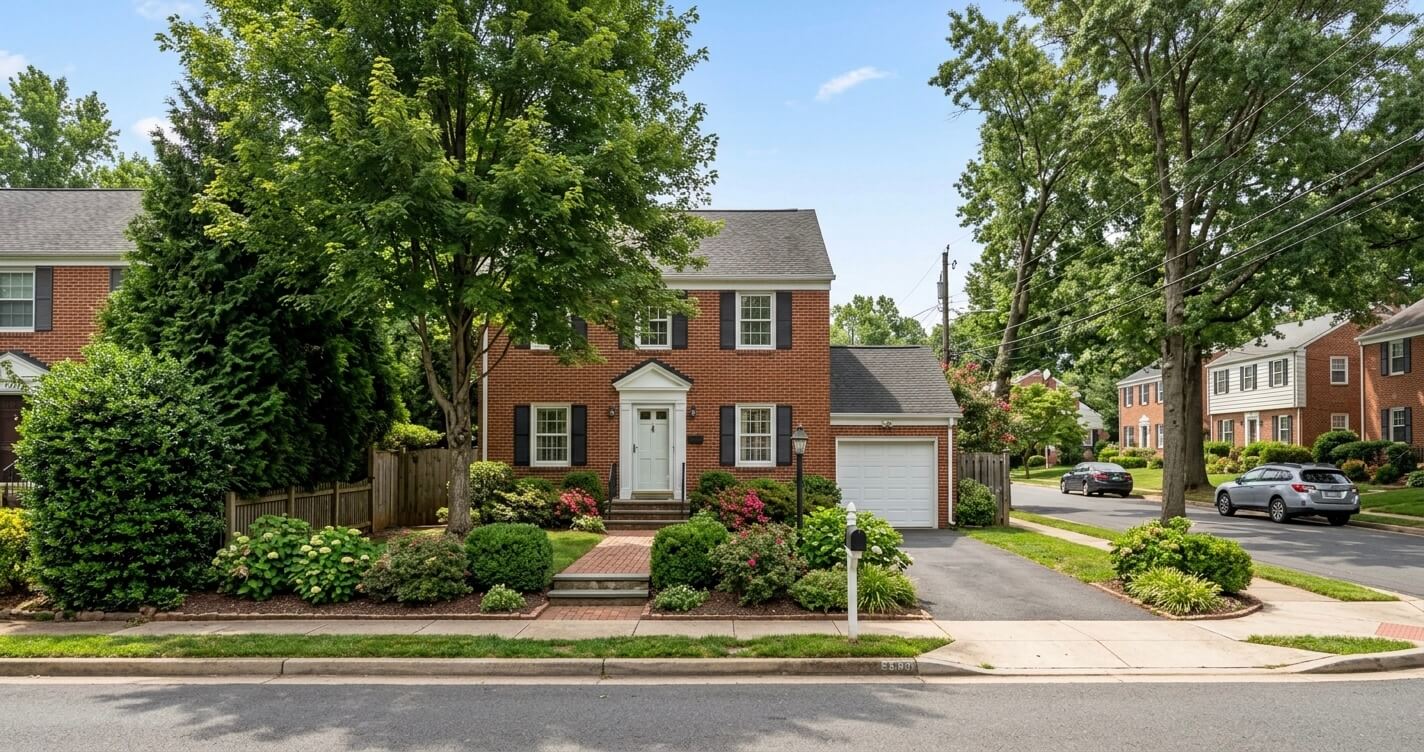
Second story additions also make sense for homeowners who value their existing yard, a pool, mature landscaping, or simply usable outdoor space they don’t want to sacrifice to a ground-floor footprint.
When Building Out Makes More Sense (Home Addition)
Building out is usually the better fit when you have yard space to spare, want to avoid touching your existing roofline, or need a faster and less disruptive project. It’s also often the more practical option for single-story ranch homes where a second story isn’t structurally straightforward.
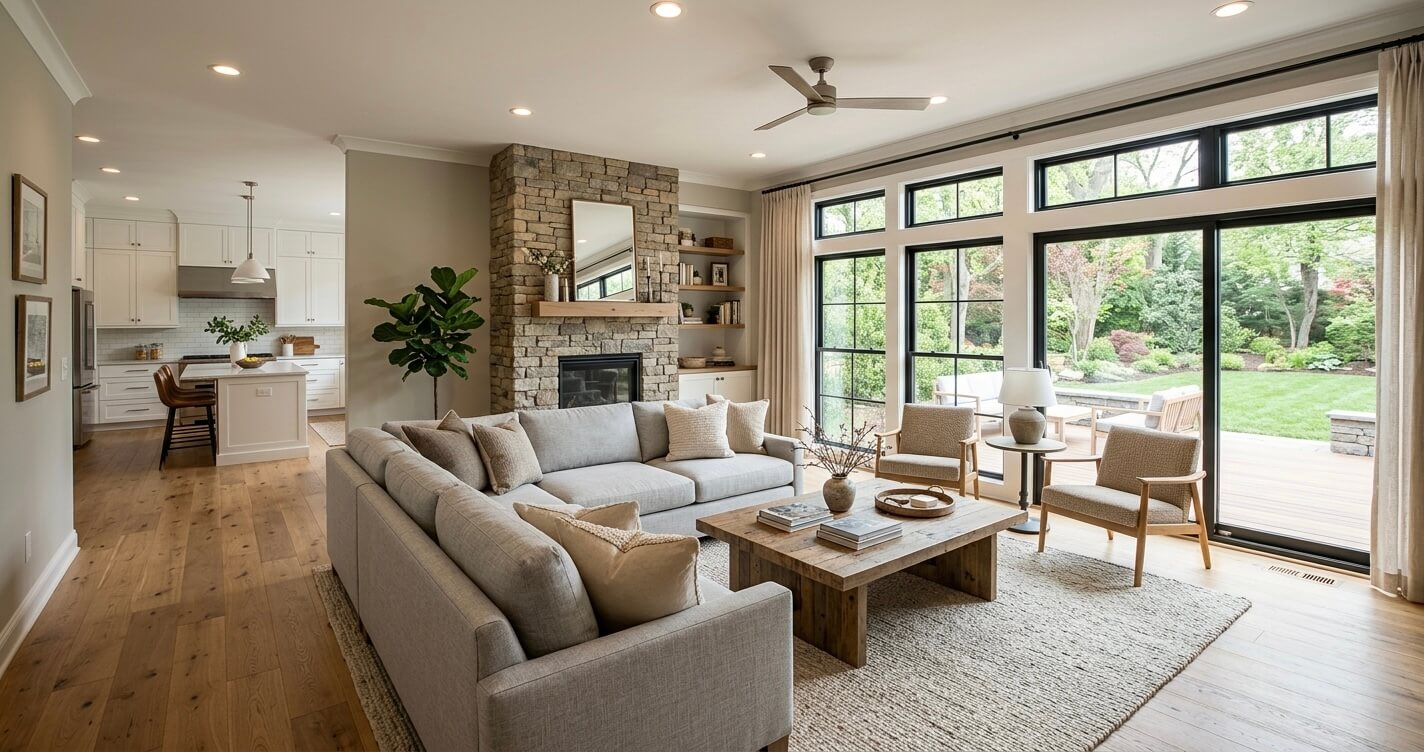
Homeowners with larger lots, common in parts of Burke, Great Falls, and some Reston neighborhoods, are frequently better served by a ground-floor addition, simply because there’s no structural reason to build up when there’s room to build out. Ranch-style homes in particular often weren’t designed with a second story in mind, which can make a vertical addition significantly more expensive relative to the space gained.
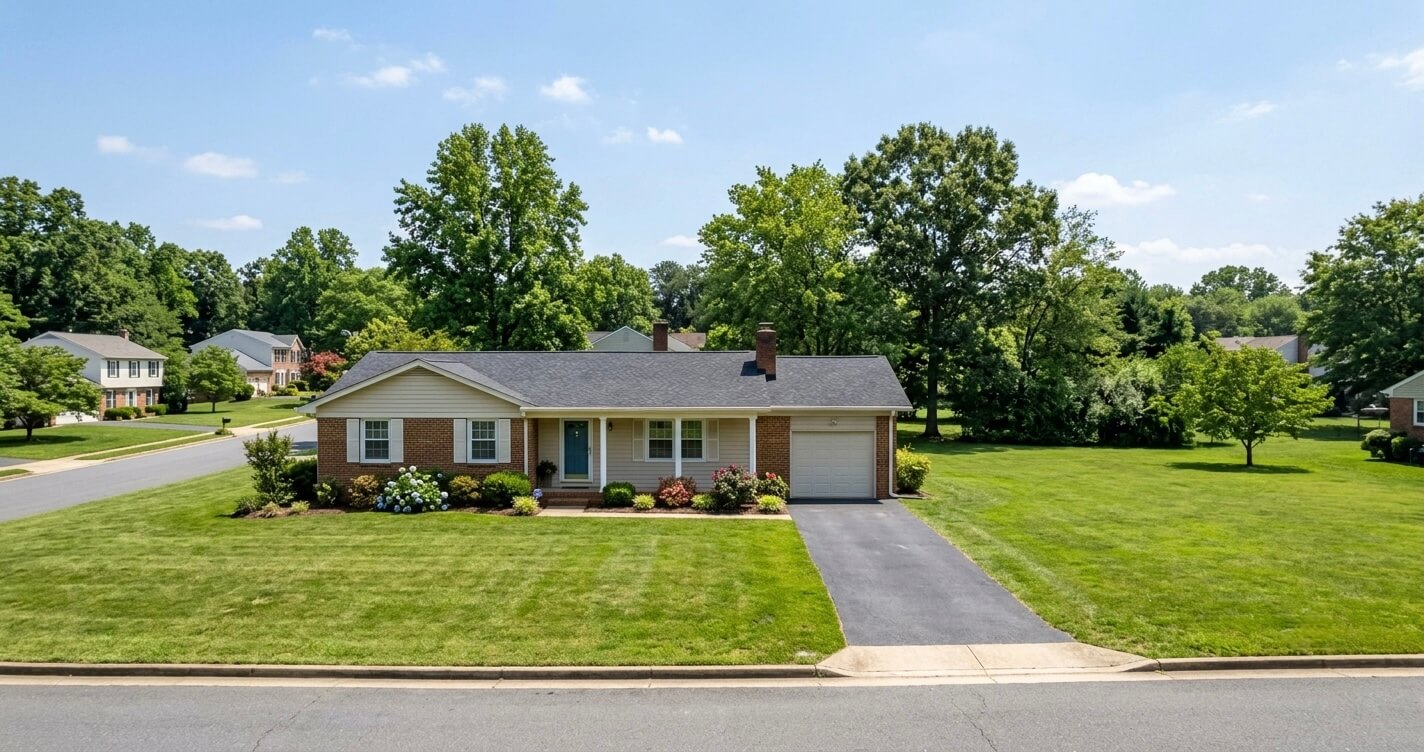
Speed and disruption also matter here. A homeowner who can’t relocate during construction, or who needs the project finished before a specific date, generally has an easier path with a ground-floor addition than a second story build.
Permits & Structural Considerations Across Fairfax County, McLean, Vienna & Reston
Both a second story addition and a home addition require permits in Fairfax County, there are no exceptions. Second story additions trigger additional structural engineering review that most ground-floor additions don’t require.
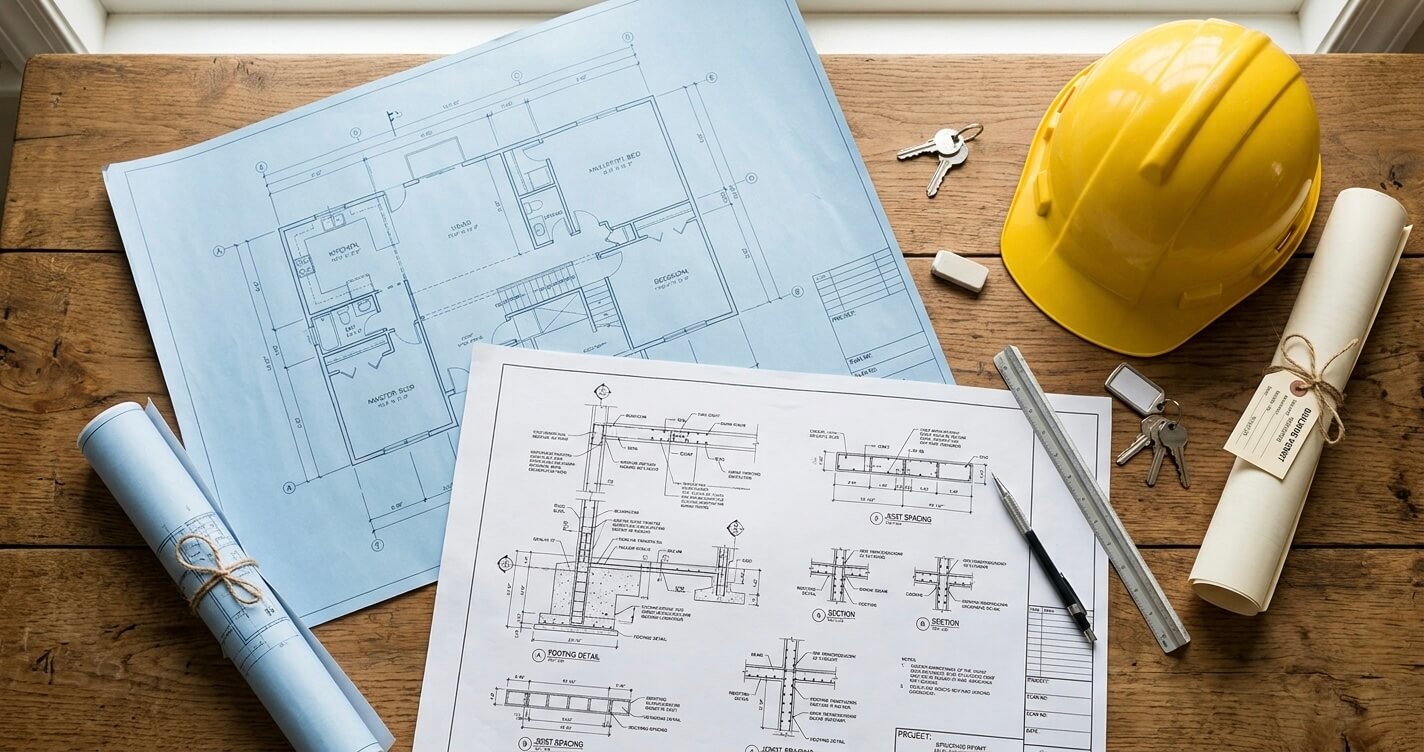
Every structural addition in Fairfax County goes through the same base permitting framework, but the depth of review differs by project type. Ground-floor additions are evaluated primarily against zoning setbacks, lot coverage limits, and floor area ratio (FAR) restrictions. Second story additions add a layer of structural review on top of that, since the county needs to confirm the existing structure and foundation can safely support the new load.
This matters more in Northern Virginia than in newer-construction markets because of how old much of the regional housing stock is. The typical age of a U.S. home increased from 31 years old in 2006 to 41 years old in 2023, according to NAHB. An older home is more likely to need structural verification before a second story addition can move forward, which is one more reason the permitting timeline for vertical additions tends to run longer than for ground-floor projects.
For a full breakdown of what triggers a permit and how the Fairfax County process works, see USHDB’s guide to the Fairfax County remodeling permit process.
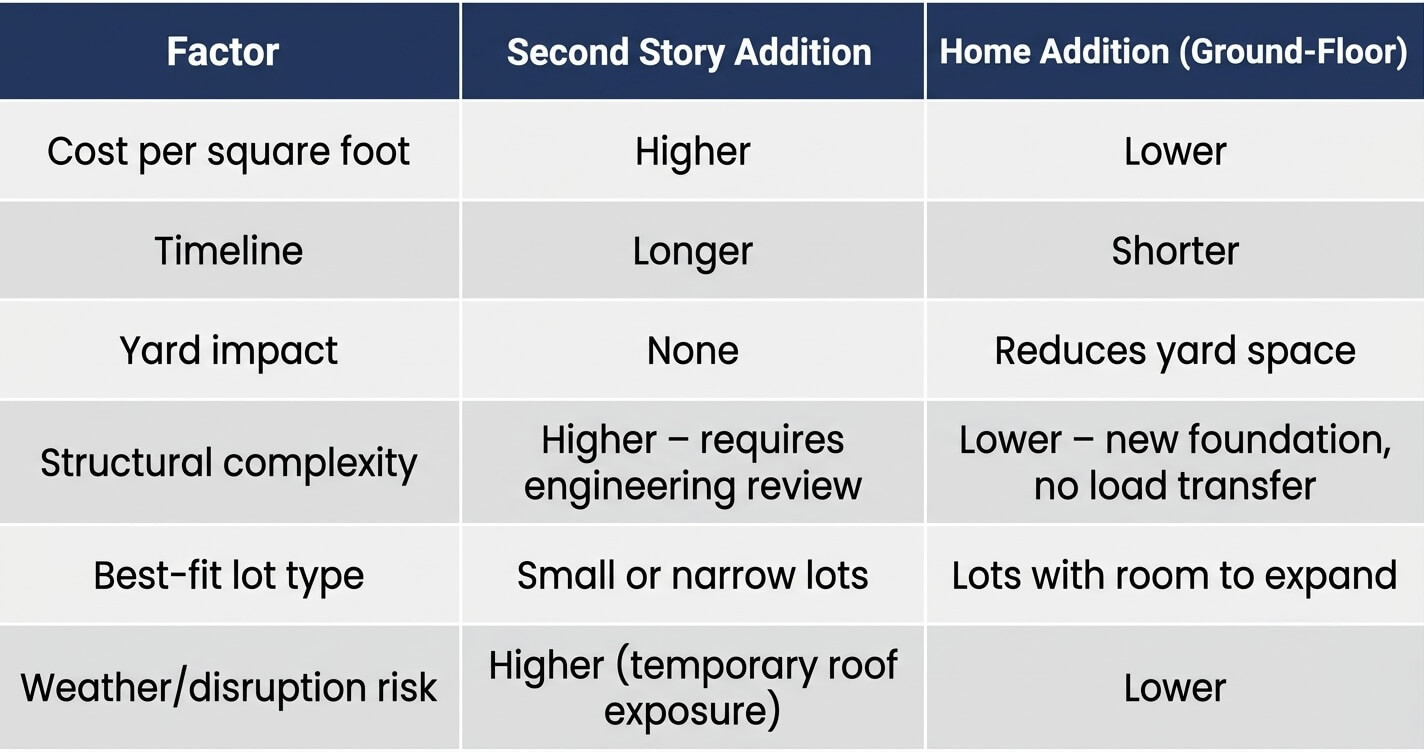
Pros and Cons at a Glance
The table below summarizes the second story addition vs home addition Northern Virginia decision across every major factor covered in this guide.
Which Option Delivers Better ROI in Northern Virginia?
Both a second story addition and a home addition can deliver strong resale value in Northern Virginia’s competitive housing market, but ROI depends more on what the addition contains, bedrooms, bathrooms, usable living space, than on whether the square footage was added vertically or horizontally.
It’s worth being direct here: neither option is automatically the “better investment.” A second story addition that adds a much-needed third bedroom and second bathroom in a starter-home neighborhood can outperform a ground-floor sunroom addition in the same market, purely because of what buyers are shopping for. Neither option in the second story addition vs home addition Northern Virginia decision wins on direction alone; resale value tracks the function of the new space and how it compares to similar homes nearby.
Homeowners weighing a second story addition against a ground-floor home addition may benefit from a structural feasibility walkthrough before finalizing a budget, small lot or framing details can shift the math significantly.
A Real Northern Virginia Example
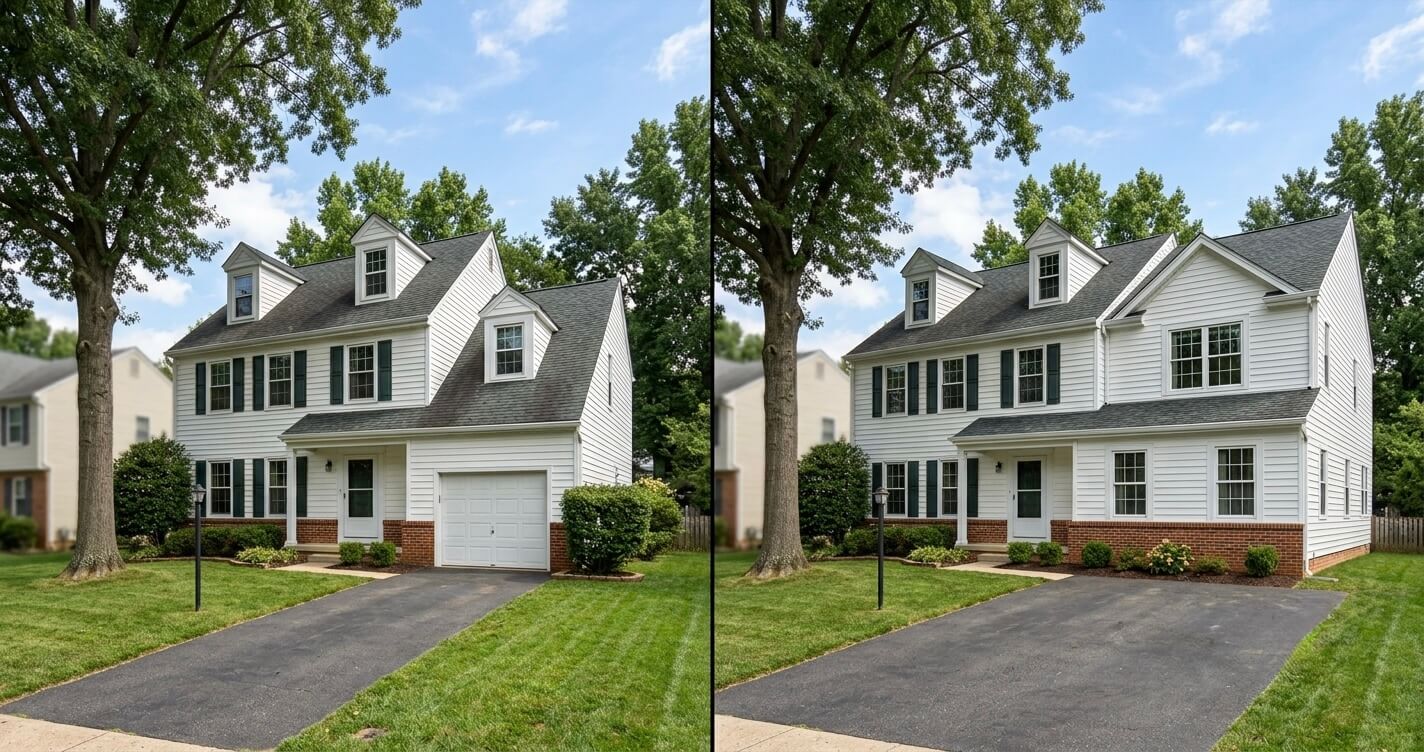
A recent USHDB project in Fairfax County illustrates the ground-floor side of this comparison well: a 1980s suburban home with a primary bedroom suite that no longer fit the homeowners’ needs was expanded through a full master suite addition, managed from initial consultation through final Fairfax County inspection. The project required multiple permits and reviews through Fairfax County Land Development Services before construction began. Full details, including the original layout, design decisions, and permit process, are documented in USHDB’s master suite addition case study in Fairfax VA.
Frequently Asked Questions
Is a second story addition cheaper than a home addition in Northern Virginia?
No. In the second story addition vs home addition Northern Virginia comparison, second story projects typically run higher per square foot because of the structural reinforcement and engineering review they require. Ground-floor additions avoid most of that added structural cost but require new foundation and excavation work instead.
Do I need a permit for a home addition in Fairfax County?
Yes. A home addition permit in Fairfax County is required with no exceptions, regardless of whether the project is a second story addition or a ground-floor addition. The review process differs in depth, but both require permit approval before construction begins.
How long does a second story addition take in Northern Virginia?
Second story additions in Northern Virginia typically take longer than ground-floor additions because of structural engineering review, temporary roof exposure, and phased construction on an occupied home. Ground-floor additions generally move faster since they don’t require altering the existing roofline.
Can every house support a second story addition?
No. Not every home can structurally support a second story addition without reinforcement. Homes with an existing foundation and framing suited to additional load, such as many colonials and split-levels common in Northern Virginia, are typically better candidates than homes that would need extensive structural upgrades first.
Which adds more resale value in McLean or Vienna, a second story or a ground-floor addition?
Neither option wins automatically. In the second story addition vs home addition Northern Virginia decision, resale value depends more on room count and function, an added bedroom or bathroom, for example, than on whether the space was built up or out.
What’s cheaper long-term: building up or building out?
Ground-floor additions are typically cheaper upfront on a per-square-foot basis, but “cheaper long-term” also depends on lot availability. If a homeowner has no realistic room to build out, comparing the two on cost alone misses the point; a second story addition may be the only structurally and legally viable option regardless of price.
Do second story additions require moving out during construction?
Not always, but many homeowners choose to relocate temporarily during the most disruptive phase, when the existing roof is removed and the new second-floor structure is framed. Ground-floor additions rarely require homeowners to leave the property.
In Summary
Every second story addition vs home addition Northern Virginia decision comes down to the same short list of factors: how much lot you have left to build on, how much disruption you can tolerate, your budget per square foot, and what your existing structure can safely support. Neither direction is universally better; the right answer depends on your specific lot, your home’s structural condition, and what you actually need the added space to do.
Planning a second story addition or a home addition in Northern Virginia? Contact US Home Design Build to walk through your lot, budget, and timeline with our team.
