
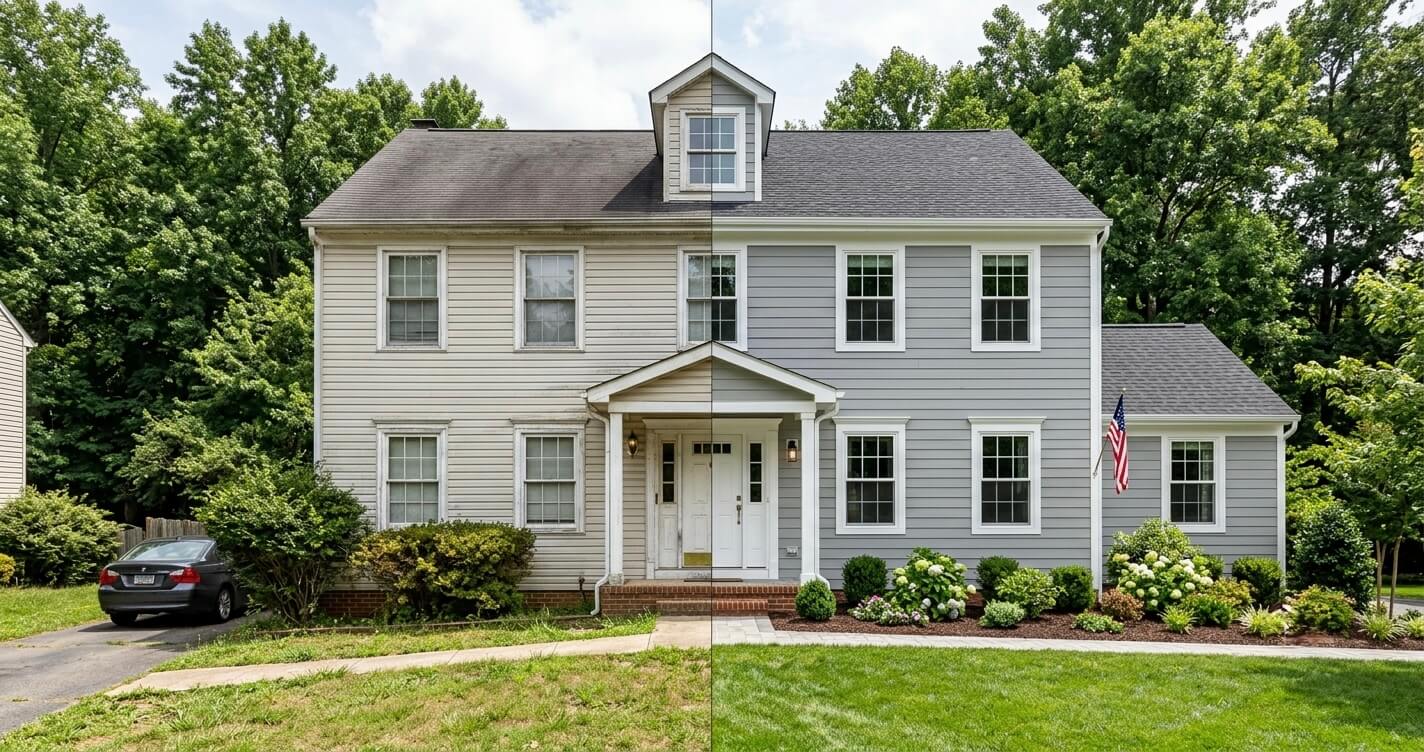
Siding replacement mistakes Northern Virginia homeowners make are rarely about the panels themselves. In our experience managing exterior remodeling projects across Fairfax County, McLean, Vienna, Reston, and Great Falls, the failures that cost homeowners the most, rot behind new siding, rejected HOA applications, unplanned change orders, almost always trace back to decisions made before a single panel goes on the wall.
This guide walks through the nine most common and costly siding replacement mistakes Northern Virginia homeowners make, based on patterns our design-build team sees across the region’s mix of 1960s-era colonials, 1990s subdivisions, and new custom construction. Each section explains what typically goes wrong, why it happens, and how to avoid it before you sign a contract.
Mistake #1 – Choosing Siding Material Without Considering Northern Virginia’s Climate
Northern Virginia’s climate, humid, thunderstorm-heavy summers and freeze-thaw winters, eliminates some siding materials before cost even enters the conversation. Vinyl and fiber cement perform reliably in this climate; solid wood and some engineered wood products require far more maintenance to avoid moisture-related failure. Homeowners who choose siding on price or appearance alone, without factoring in regional weather, are the ones most likely to face a second replacement within 10–15 years.
The Washington, D.C. metro region sees repeated freeze-thaw cycles each winter, which stresses siding seams, fasteners, and caulk joints through constant expansion and contraction. Summers bring high humidity and heavy rainfall, which accelerates moisture intrusion wherever flashing or sealant details are weak. Vinyl siding handles this cycle well when installed with proper fastening for thermal movement, while fiber cement products resist moisture and pests but depend on quality caulking and periodic repainting to perform over the long term.
Homeowners weighing materials for a Northern Virginia project can review the full range of colors, profiles, and insulation options through USHDB’s vinyl siding installation services, which are matched to the region’s climate and common architectural styles.
Mistake #2 – Skipping a Moisture and Rot Inspection Before Installation
Installing new siding over damaged sheathing or water-compromised framing is one of the most expensive mistakes a homeowner can make, because it hides the problem instead of solving it. A pre-installation moisture inspection, pulling test sections of existing siding to check the wall assembly, should happen before materials are ordered, not after installation begins.
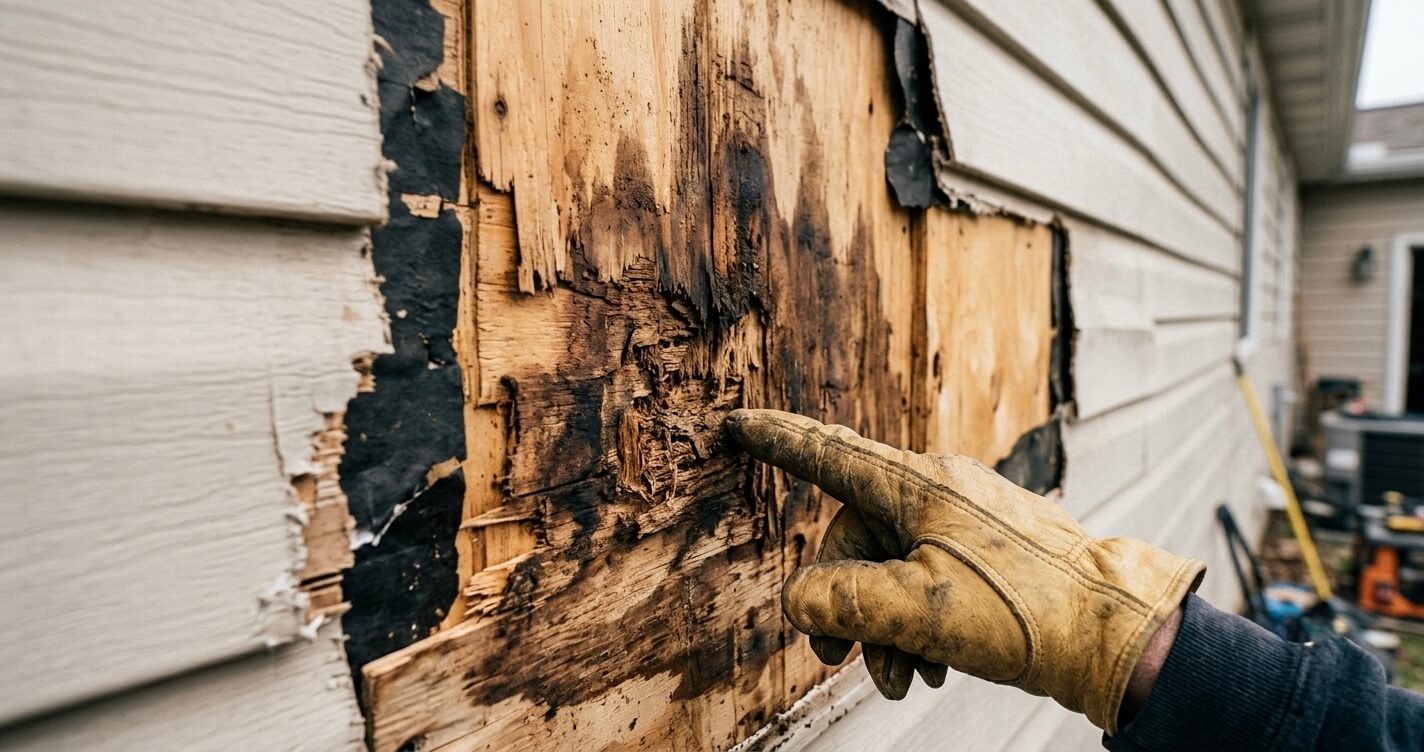
Many homes in McLean, Arlington, and Falls Church still carry original wood siding installed decades ago, often over sheathing that has absorbed moisture for years without visible exterior signs. Once that siding is stripped, contractors sometimes discover soft sheathing, compromised house wrap, or insect damage that was never part of the original scope. Homeowners who skip this inspection step frequently learn about hidden damage only after demolition has already started, at which point the repair becomes a change order instead of a planned line item.
Budgeting a contingency of 10–15% above the base siding estimate is a reasonable safeguard for homes built before 1990, where original sheathing and moisture barriers are more likely to need attention.
Mistake #3 – Underestimating the True Cost of Siding Replacement
Full siding replacement in Northern Virginia typically costs $9,000 to $28,000 or more, depending on material, home size, and the amount of trim and architectural detail involved. Homeowners who budget only for materials and labor, without a contingency for sheathing repair or code-required upgrades, are frequently caught off guard mid-project.
Cost variation comes from several factors beyond square footage: the number of corners, dormers, and window/door openings; whether the existing siding requires full tear-off versus installation over furring strips; and the complexity of trim, fascia, and soffit work that typically accompanies a siding project. Homes with extensive architectural detailing common in custom-built Great Falls and McLean properties tend to fall at the higher end of the range.
Siding replacement remains one of the strongest financial investments in exterior remodeling. Homeowners who replace vinyl siding recoup roughly 80% of the project’s cost at resale, ranking among the highest returns of any common home improvement project, according to the National Association of REALTORS® Remodeling Impact Report.
Mistake #4 – Ignoring Permit Requirements in Fairfax County and Surrounding Jurisdictions
Not every siding replacement in Northern Virginia requires a building permit, but the exceptions catch homeowners off guard. Fairfax County requires a permit when siding work involves structural changes to the wall, changes to window or door openings, or is bundled into a larger renovation, a distinction many homeowners, and even some contractors, overlook.
In general, a straightforward like-for-like replacement using similar material and making no structural changes does not require a separate building permit in Fairfax County. The moment a project involves resizing openings, repairing structural framing, or is part of a broader addition or renovation, however, permitting requirements apply. Skipping a required permit can result in stop-work orders, fines, and complications when the home is later sold, since unpermitted exterior work can surface during a buyer’s inspection or title search.
Requirements vary by locality, so homeowners in Arlington County, the City of Fairfax, and other jurisdictions should confirm with their local building department. USHDB’s guide to remodeling permits in Fairfax County covers the broader permitting process for renovation projects in more detail.
Mistake #5 – Hiring Based on Lowest Bid Alone
The cheapest siding bid is rarely the cheapest siding project once change orders, rushed installation, and warranty gaps are factored in. Northern Virginia homeowners who select a contractor purely on price most often report problems with flashing, seam alignment, and manufacturer warranty registration, issues that surface months or years after the crew has left.
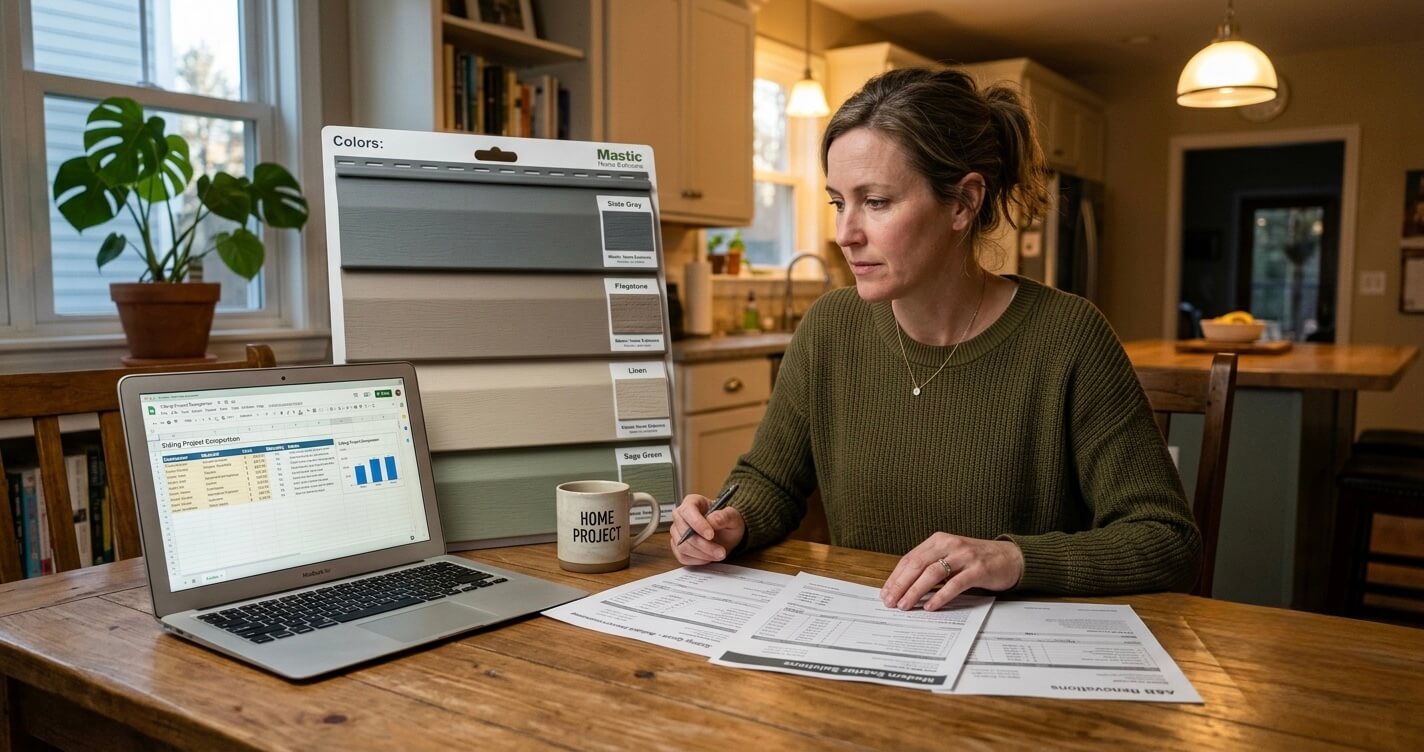
Warning signs of an underqualified bid include a large upfront deposit before any work begins, no local references from recent siding projects, subcontracted crews with no on-site supervision, and a scope of work that is vague about tear-off, house wrap, and flashing details. A low bid that omits these line items often means the homeowner absorbs the cost later, either as a change order or as a future repair.
A closer look at these patterns is available in USHDB’s article on remodeling contractor red flags Northern Virginia homeowners should know, which applies directly to vetting a siding contractor.
Mistake #6 – Overlooking Insulation and Energy Efficiency Upgrades During Replacement
Siding replacement is the single most cost-effective opportunity to upgrade a home’s exterior insulation, because the wall cavity is already exposed. Skipping this step means paying for the labor to strip and re-side a home without addressing the energy loss happening behind the new panels.
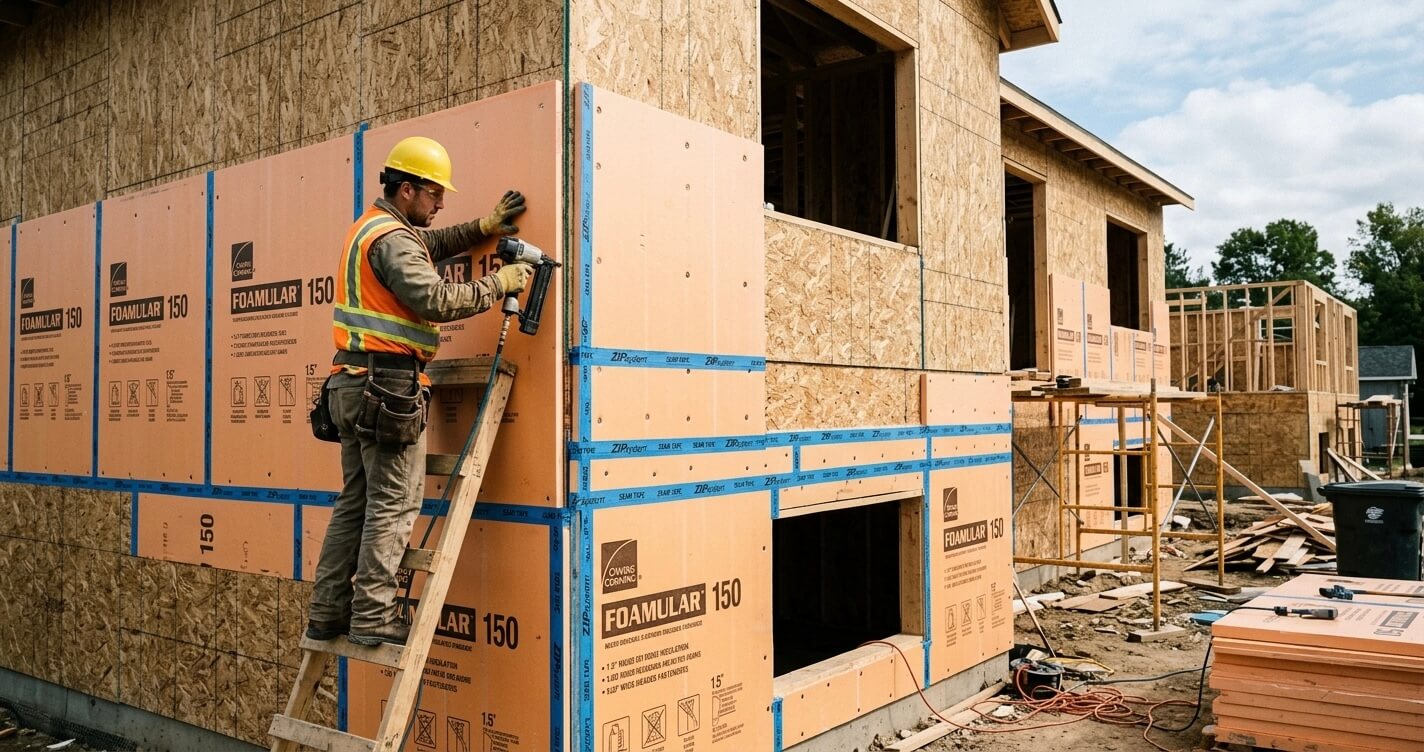
Air leakage through a home’s building envelope, including exterior walls, accounts for an estimated 25% to 40% of the energy used for heating and cooling a typical home, according to the U.S. Environmental Protection Agency’s ENERGY STAR program.
The U.S. Department of Energy notes that adding continuous exterior insulation during a re-siding project is only incrementally more expensive than the siding itself, since the wall is already bare, making it one of the most cost-effective windows to improve a home’s energy performance for the life of the siding.
Mistake #7 – Mismatching Siding Style With Home Architecture and HOA Requirements
A siding choice that clashes with a home’s architectural style, or violates a homeowners association’s exterior guidelines, can trigger costly rework or a rejected application. Many Northern Virginia neighborhoods in McLean, Great Falls, and Reston have HOA architectural review boards that require pre-approval of siding material, color, and profile before installation begins.
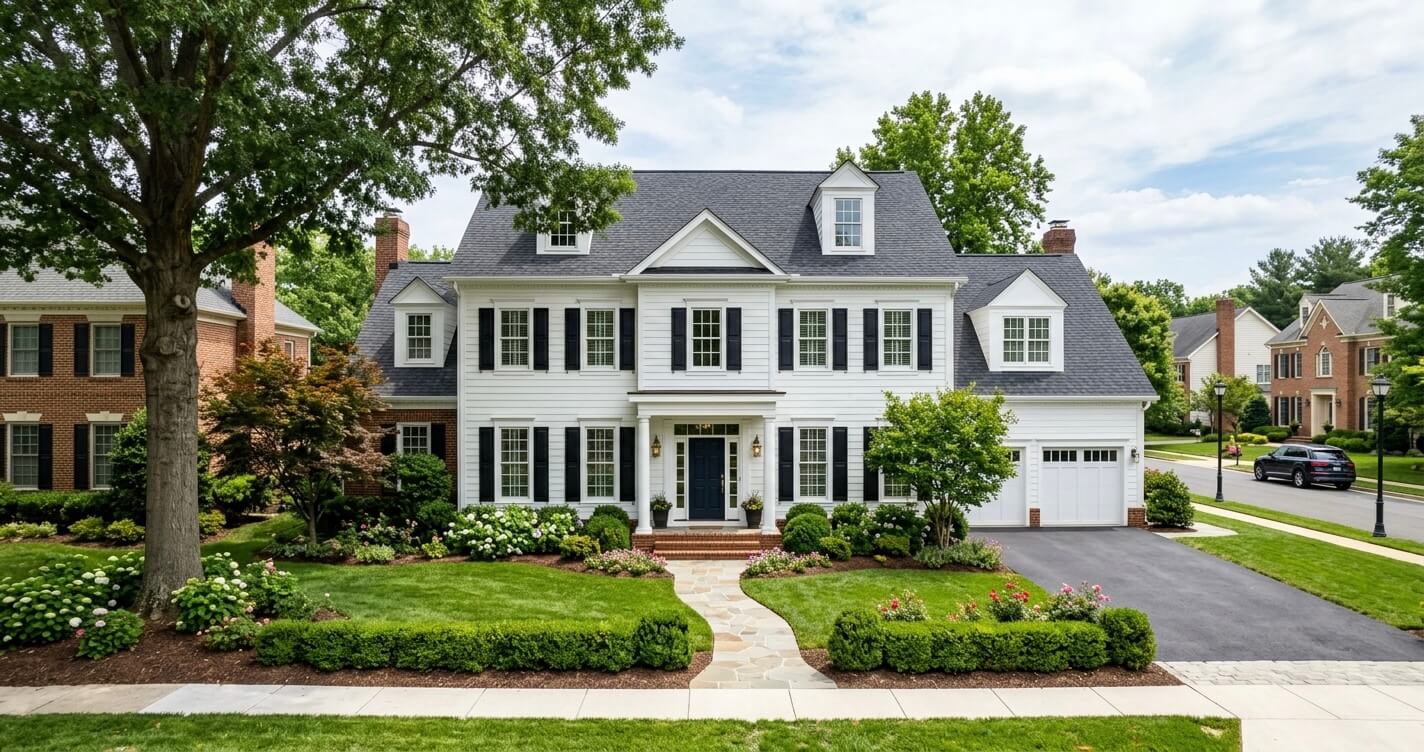
HOA review timelines typically add two to six weeks to a project schedule, depending on the community and the completeness of the submitted samples and specifications. Homeowners who order materials before receiving HOA approval risk having to reorder if the board requests a different color or profile. Beyond HOA rules, matching siding profile and trim proportions to the home’s existing architecture, colonial, craftsman, or modern, has a measurable effect on curb appeal and resale marketability.
Mistake #8 – Neglecting Proper Flashing and Trim Details Around Windows and Doors
Most water intrusion after a siding replacement doesn’t originate in the field panels, it starts at the flashing and trim around windows, doors, and roof-to-wall transitions. Rushed or improperly lapped flashing is one of the most common causes of callback repairs in exterior remodeling.
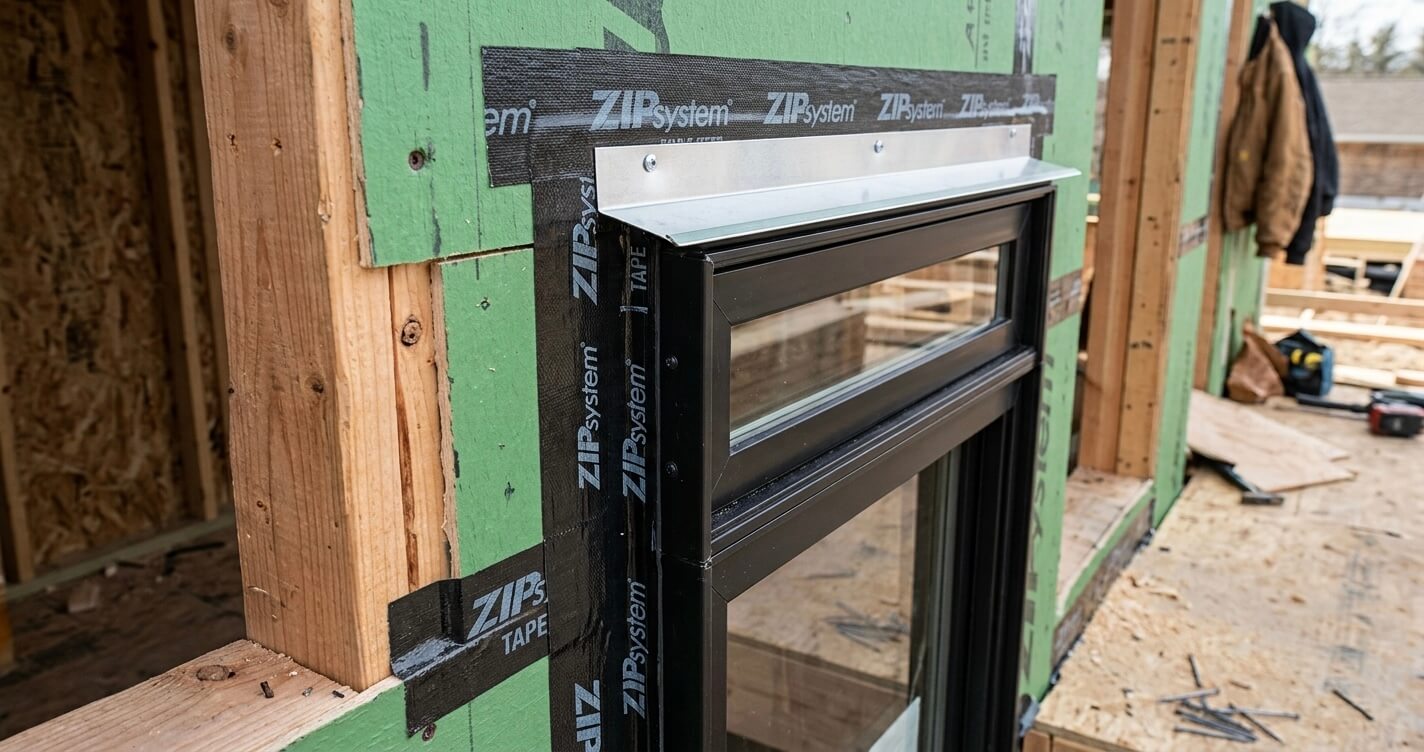
Proper installation follows a specific sequence: a weather-resistant barrier goes on first, followed by flashing tape and metal flashing lapped correctly at every penetration, with kick-out flashing installed wherever a roofline meets a wall. Manufacturers of both vinyl and fiber cement products specify exact installation methods to preserve their material warranties, and deviating from those methods, even in ways invisible after installation, can void coverage if a failure occurs later.
Mistake #9 – Not Planning Siding Replacement Alongside Other Exterior Projects
Replacing siding in isolation, without evaluating the condition of the roof, gutters, and trim at the same time, often means paying for scaffolding, mobilization, and tear-off twice instead of once. Northern Virginia homeowners planning a roof replacement within the next five years should have both projects evaluated together.
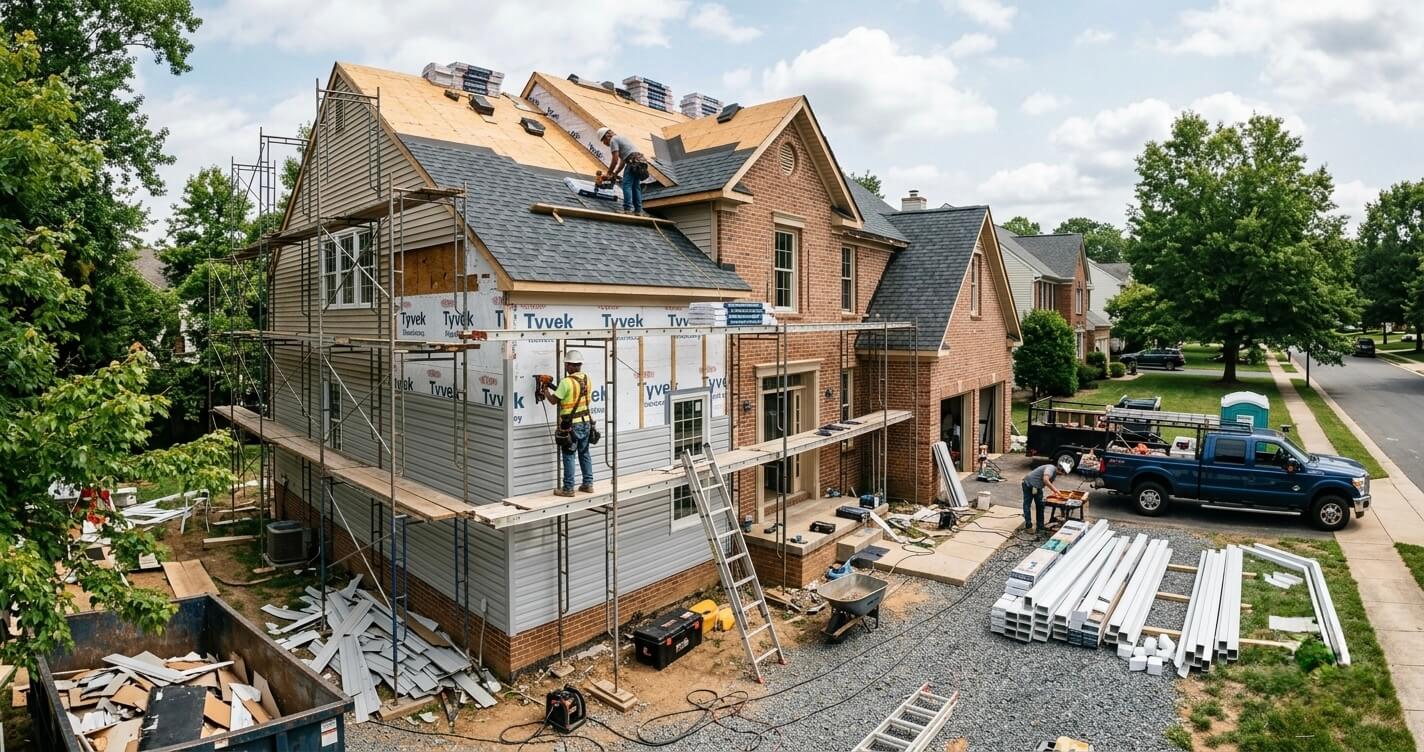
The general sequencing best practice is roof first, then siding, then trim and paint, since gutters and flashing details tie the two systems together. Combining projects also allows a single mobilization for equipment, dumpsters, and crew scheduling, which typically reduces total project cost compared to handling each system as a separate, unrelated project years apart.
Homeowners considering a similar project may benefit from discussing sequencing and budget with an experienced design-build team before finalizing scope.
How Much Does Siding Replacement Cost in Northern Virginia? (Quick Recap)
Siding replacement in Northern Virginia typically ranges from $9,000 for a modest vinyl project to $28,000 or more for full-home fiber cement or wood siding, depending on material, home size, and trim complexity. The table below breaks down typical installed cost, expected lifespan, and resale cost recovery by material.
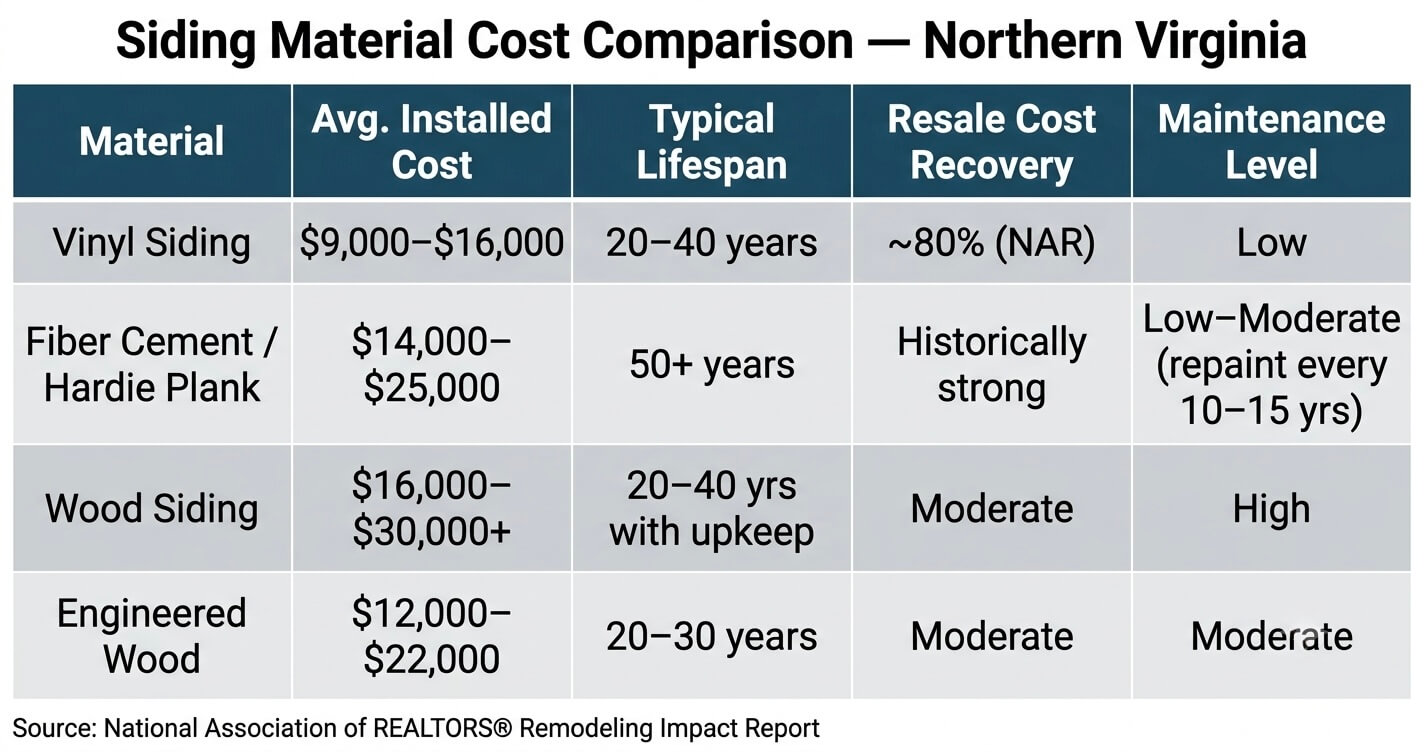
Resale cost recovery figure for vinyl siding sourced from the National Association of REALTORS® Remodeling Impact Report. Cost and lifespan ranges reflect typical Northern Virginia project scopes as observed by USHDB’s design-build team.
Homeowners comparing fiber cement against vinyl can review material options and installation details through USHDB’s Hardie plank siding contractors in Northern Virginia page.
Permit Trigger Quick Reference (Fairfax County)
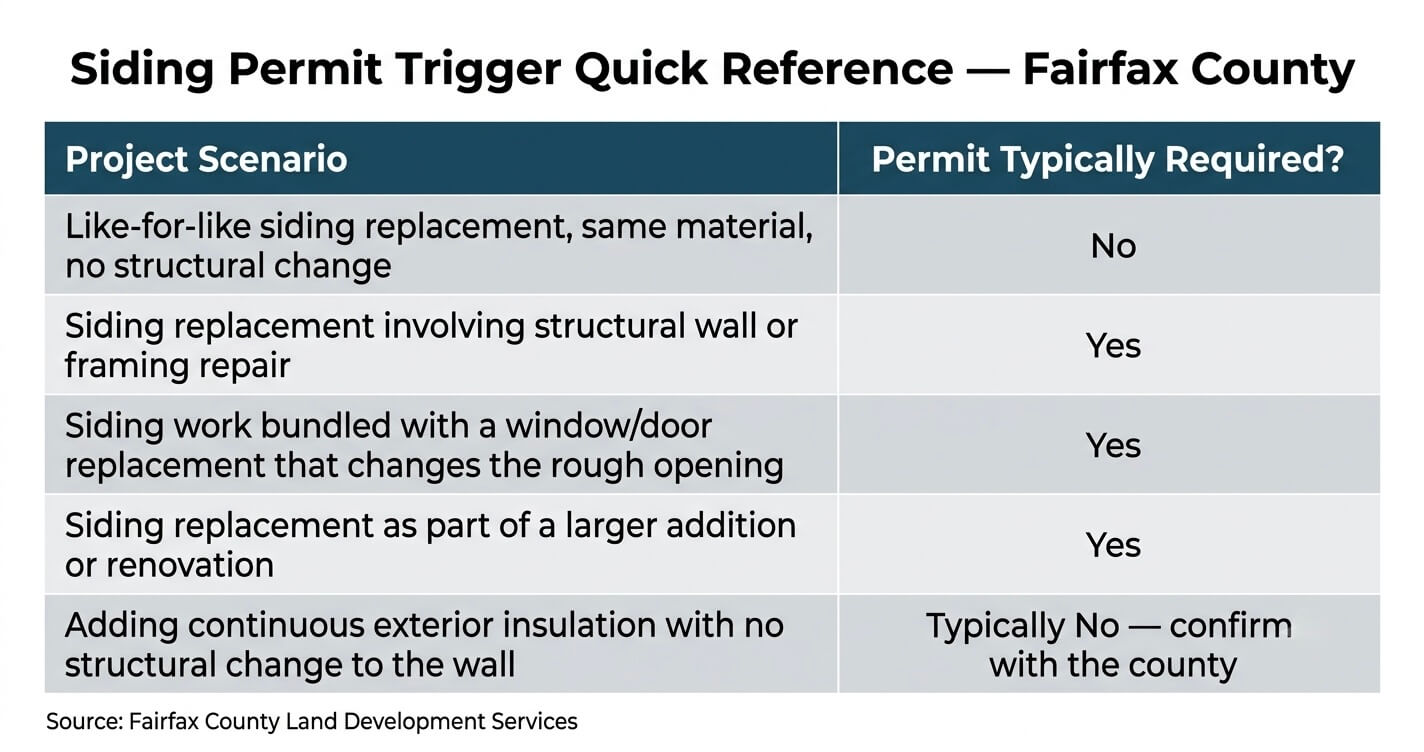
Based on Fairfax County Land Development Services guidance. Homeowners in Arlington County, the City of Fairfax, and other Northern Virginia jurisdictions should confirm requirements with their local building department, as permit thresholds vary by locality.
Frequently Asked Questions
How much does siding replacement cost in Fairfax County, VA?
Siding replacement in Fairfax County typically costs $9,000 to $28,000 or more, depending on material and home size. Vinyl siding sits at the lower end of that range, while fiber cement and wood siding cost more upfront but offer longer lifespans and, in the case of fiber cement, generally lower long-term maintenance.
Do I need a permit to replace siding in Northern Virginia?
Only in certain cases. A straightforward like-for-like replacement typically does not require a Fairfax County building permit, but structural repairs, changes to window or door openings, or siding work bundled into a larger renovation do require one. Requirements vary by jurisdiction, so confirm with your local building department before starting work.
How long does vinyl siding last?
High-quality vinyl siding typically lasts 20 to 40 years with proper installation. Actual lifespan depends on installation quality, sun exposure, and how well fasteners accommodate the material’s thermal expansion and contraction through Northern Virginia’s seasonal temperature swings.
Is fiber cement siding worth the extra cost compared to vinyl?
For homeowners planning to stay in the home long-term, fiber cement often justifies its higher upfront cost. It typically lasts 50 or more years, resists moisture and pests better than vinyl, and holds paint and color well, though it requires periodic repainting roughly every 10 to 15 years.
Can siding be installed over old siding without removing it?
In some cases, yes, but it isn’t recommended for most Northern Virginia homes. Installing new siding over old material skips the moisture and sheathing inspection described in Mistake #2 above, and can trap existing damage behind the new surface. Full tear-off is the more reliable approach for homes with any history of water intrusion.
What time of year is best for siding replacement in Northern Virginia?
Late spring through early fall generally offers the most predictable installation conditions. Many siding materials, especially vinyl, install and seal best in moderate temperatures, and contractor scheduling tends to be tighter during the busiest summer months, so planning several months ahead is advisable.
How do I know if I need repair vs. full siding replacement?
Isolated damage to one or two panels usually warrants repair; widespread cracking, warping, or repeated moisture issues point to full replacement. A contractor inspection that includes checking behind a sample section of siding, as described in Mistake #2, gives the clearest answer for your specific home.
Final Thoughts
Avoiding these siding replacement mistakes Northern Virginia homeowners commonly make comes down to sequencing decisions correctly: inspect before you order materials, budget for what’s hidden behind the wall, confirm permit requirements early, and hire based on process rather than price alone. Our design-build team has guided homeowners across Fairfax County, McLean, Vienna, Reston, and Great Falls through exactly these decisions, and the projects that go smoothly are almost always the ones where these steps happened in the right order.
Planning a siding replacement in Northern Virginia? Contact US Home Design Build to discuss your material options, budget, and timeline with our team.
