
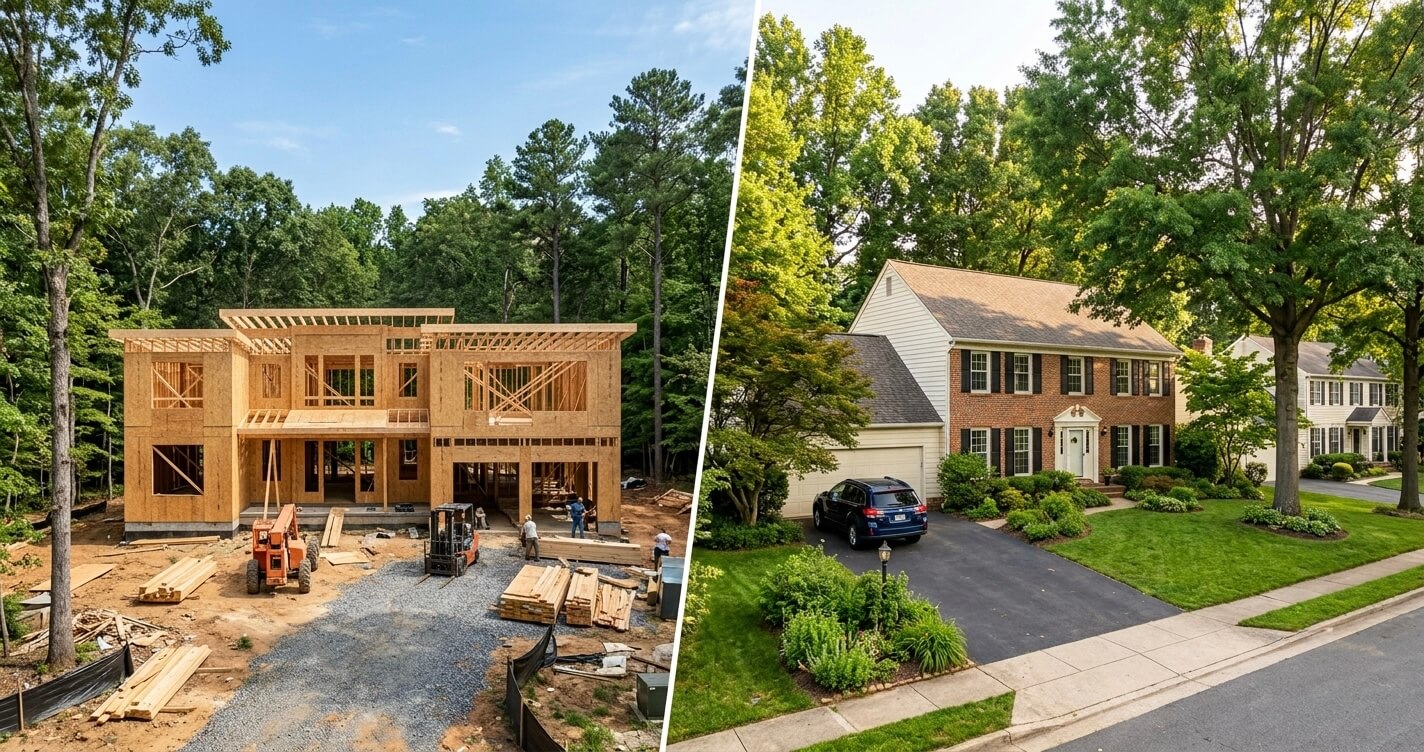
Deciding between a custom home vs buying existing home Northern Virginia is one of the most consequential financial decisions a household in this region will make in 2026. Resale inventory across Fairfax County, Arlington, and McLean remains historically tight, buildable land in premium submarkets is scarce, and many current owners are staying put rather than giving up mortgage rates secured years ago. At the same time, custom construction takes far longer and typically costs more per square foot than an existing home already on the market.
This guide breaks down the real 2026 numbers behind the custom home vs buying existing home Northern Virginia decision, covering cost, timeline, customization, hidden expenses, financing, and a practical decision framework for homeowners across Fairfax County, McLean, Vienna, Great Falls, Reston, Burke, and Arlington. US Home Design Build has guided Northern Virginia homeowners through both custom home construction and full-scale renovation projects, and this comparison draws on that direct project experience alongside current housing and construction data.
What’s the Real Cost Difference Between Building and Buying in Northern Virginia?
Building a custom home in Northern Virginia generally costs more per square foot than buying an existing home, and that gap widens further once land is factored in. National data puts custom-built pricing at roughly $166 per square foot of floor area, while Northern Virginia’s premium land values in McLean, Great Falls, and Arlington push all-in costs meaningfully higher than comparable resale purchases.
The custom home vs buying existing home Northern Virginia cost comparison starts with land. According to the National Association of Home Builders’ analysis of Survey of Construction data, the median price for new contractor-built (custom) homes reached approximately $166 per square foot of floor area in the most recent reporting period, up slightly from $162 the prior year.
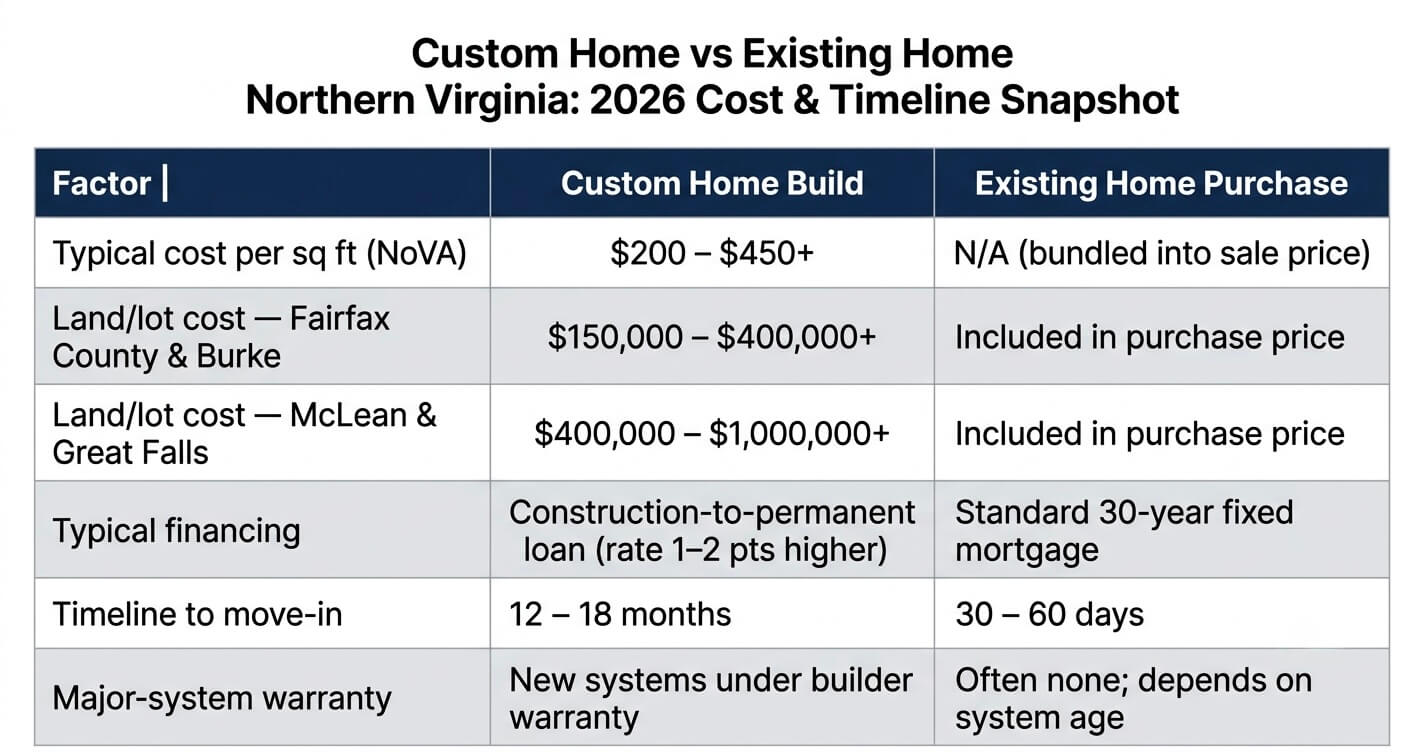
In Northern Virginia, that national baseline is only a starting point. Lot costs vary dramatically by jurisdiction: a buildable lot in Fairfax County or Burke typically runs $150,000 to $400,000 depending on size, grading, and utility access, while estate-style lots in McLean and Great Falls frequently exceed $400,000 and can reach $1,000,000 or more before a single foundation is poured. Buying an existing home folds land cost into a single purchase price, which is one reason resale purchases often look cheaper on paper even when the finished product is smaller or older.
The table below summarizes how these two paths compare across the factors that matter most to a Northern Virginia buyer in 2026.
Custom Home vs Existing Home Northern Virginia – 2026 Cost & Timeline Snapshot
For homeowners specifically evaluating high-end lots, our Custom Home Cost Great Falls VA guide breaks down land, design, and build pricing in more detail.
How Long Does It Actually Take to Build vs. Buy a Home in Northern Virginia?
Buying an existing home in Northern Virginia typically closes in 30 to 60 days from an accepted offer, while a custom home build takes 12 to 18 months from initial consultation to move-in. Permitting alone through Fairfax County can consume one to three months before construction even begins.
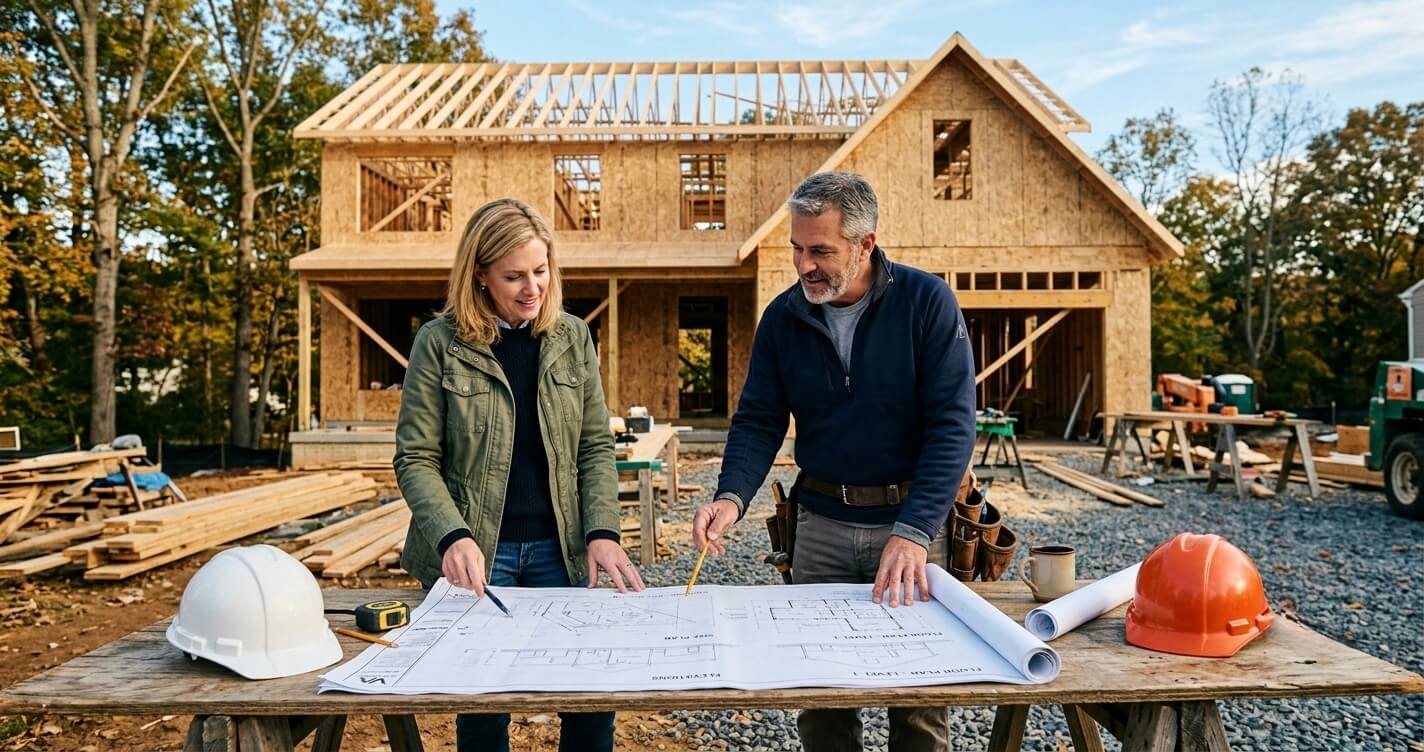
Fairfax County’s Land Development Services (LDS) reviews all site, subdivision, and building plans and issues the permits required before construction can start, a process managed through the county’s online PLUS portal. Homeowners planning a custom build should expect design development, engineering coordination, and permitting review to consume roughly the first third to half of the overall project timeline before framing ever begins.
Our Custom Home Build Timeline Northern Virginia guide breaks this process down month by month, from mobilization and site preparation through framing, rough-in, interior finishing, and final inspection.
By comparison, purchasing an existing home moves through financing pre-approval, inspection contingencies, appraisal, and closing in a matter of weeks rather than months. For buyers who need to be in a home within a year, this timeline gap alone often settles the custom home vs buying existing home Northern Virginia decision before cost is even considered.
Customization and Design Control: Where Building a Custom Home Wins
A custom home build gives homeowners complete control over floor plan, room count, finishes, and energy performance, while buying an existing home means adapting to a layout and systems chosen by someone else years or decades earlier. This control is the primary reason many Northern Virginia households choose to build despite the added cost and time.
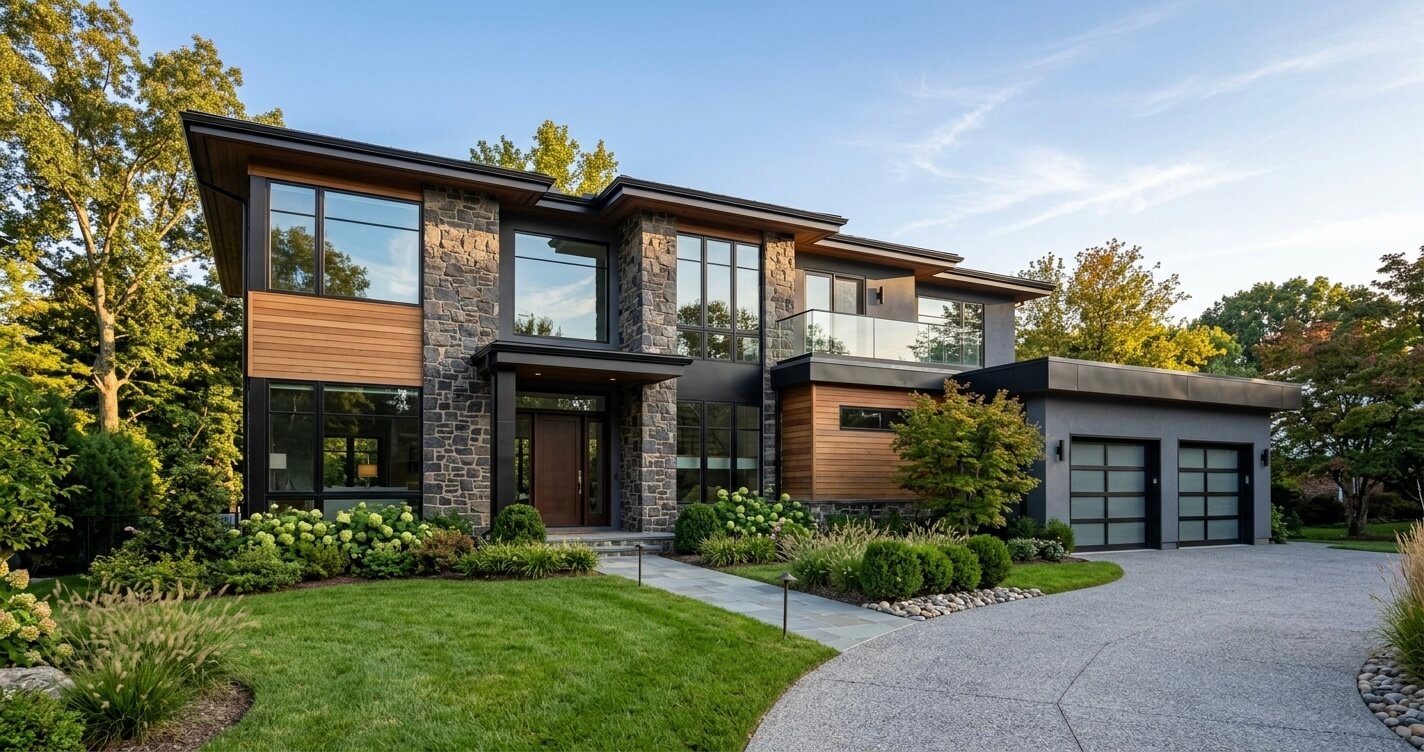
Northern Virginia’s housing stock includes a large share of Colonial, split-level, and Cape Cod-style homes built between the 1960s and 1990s, designed around living patterns that differ significantly from how many households use space today. A custom build removes that constraint entirely: lot orientation, ceiling heights, open-concept layouts, primary suite placement, and energy-efficient systems can all be specified from the start rather than retrofitted.
US Home Design Build’s Custom Home Builder Northern Virginia service works with homeowners through this exact process, and the Modern Home Builder Northern Virginia team specifically supports clients seeking clean-lined, energy-efficient design.
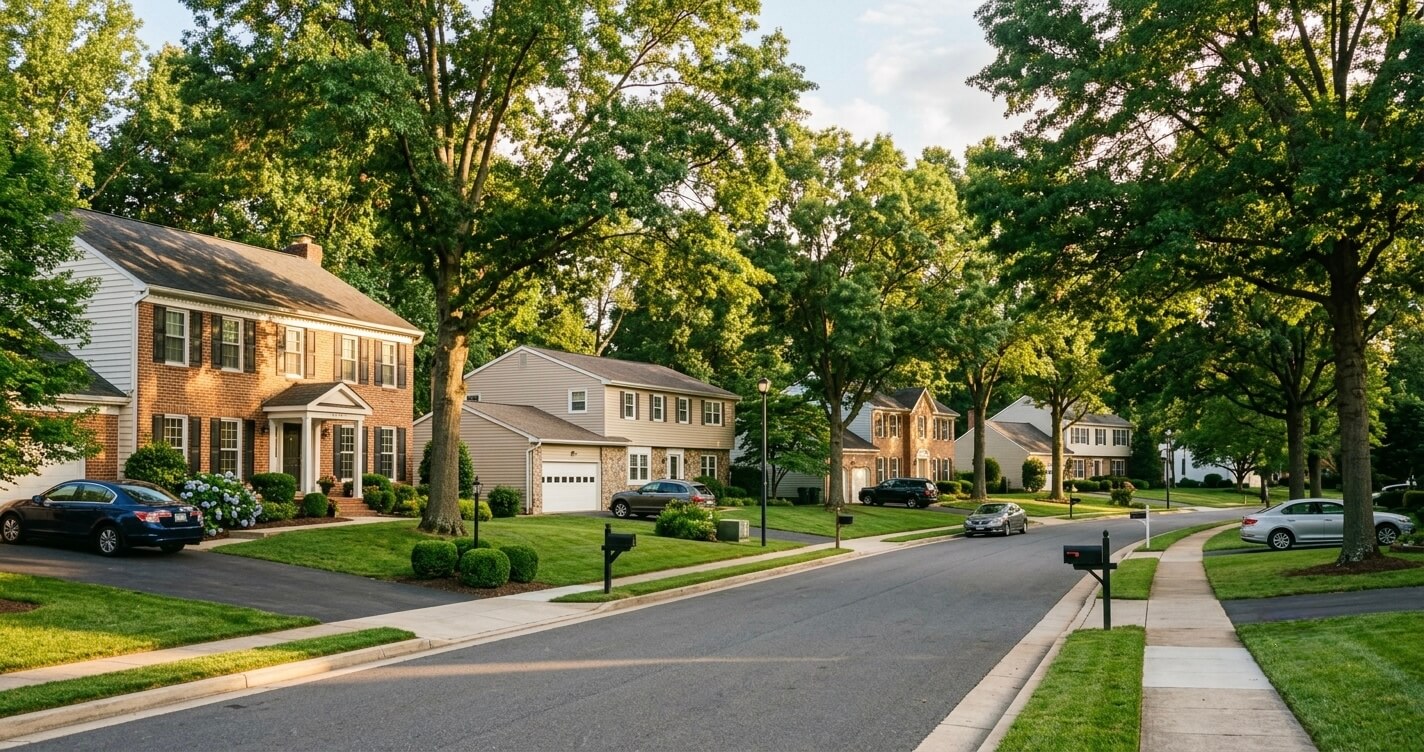
Existing homes still hold real advantages here: mature landscaping, established neighborhoods, and known school-district boundaries are not something a new build can replicate immediately. For many buyers, the trade-off is design freedom versus immediate neighborhood maturity, not simply cost or timeline.
Homeowners weighing a custom build against an existing home purchase may benefit from discussing lot options, budget ranges, and realistic timelines with an experienced design-build team before making a final decision.
What Are the Hidden Costs of Buying an Existing Home in Northern Virginia?
Existing homes across Fairfax County, Vienna, and Burke frequently carry deferred-maintenance costs that never appear in the listing price, including aging roofs, undersized electrical panels, and HVAC systems nearing the end of their service life. These costs can narrow or eliminate the up-front savings of buying instead of building.
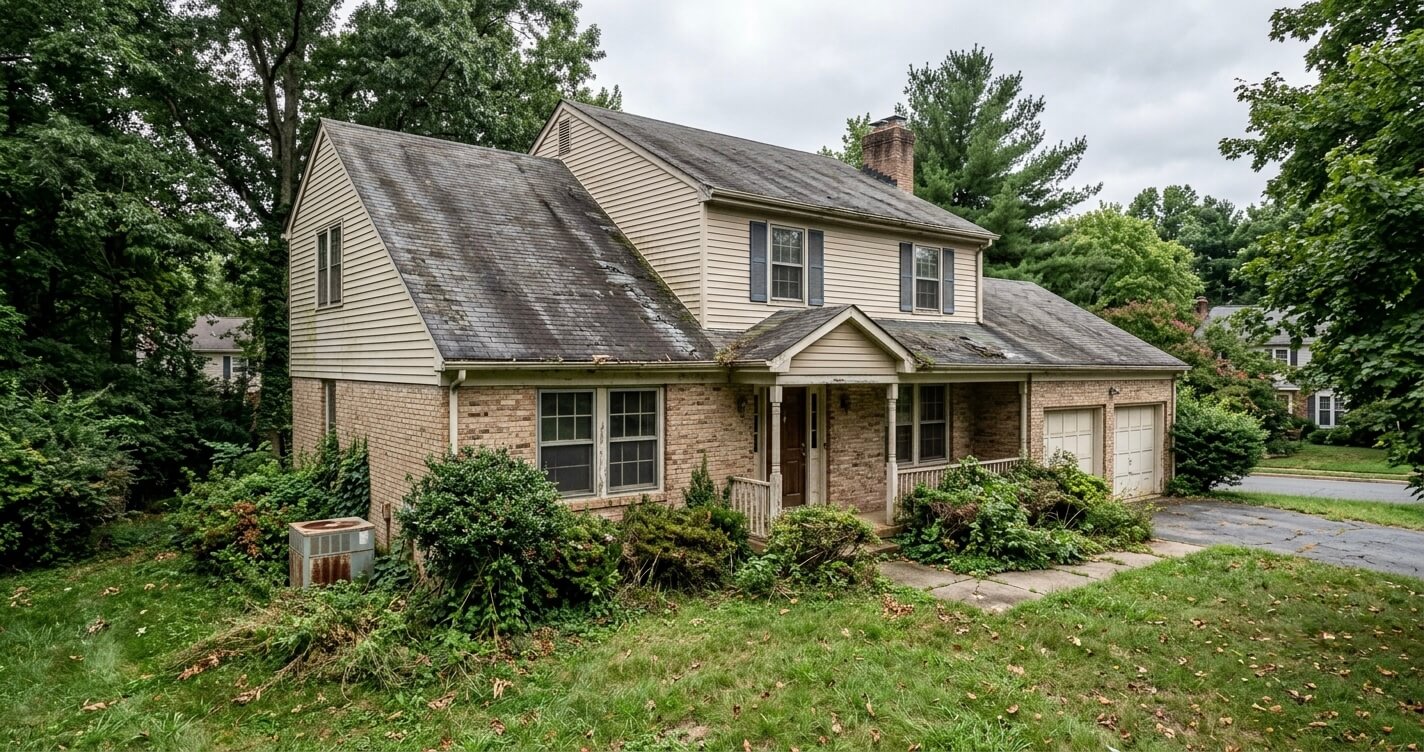
A home built in the 1980s or 1990s that has not been updated often needs a new roof, at a typical replacement cost of $10,000 to $15,000, an HVAC system replacement in the $8,000 to $12,000 range, and in some cases an electrical panel upgrade costing $2,000 to $4,000 to meet modern load requirements.
Hidden Cost Risks – Existing Home vs New Custom Build in Northern Virginia
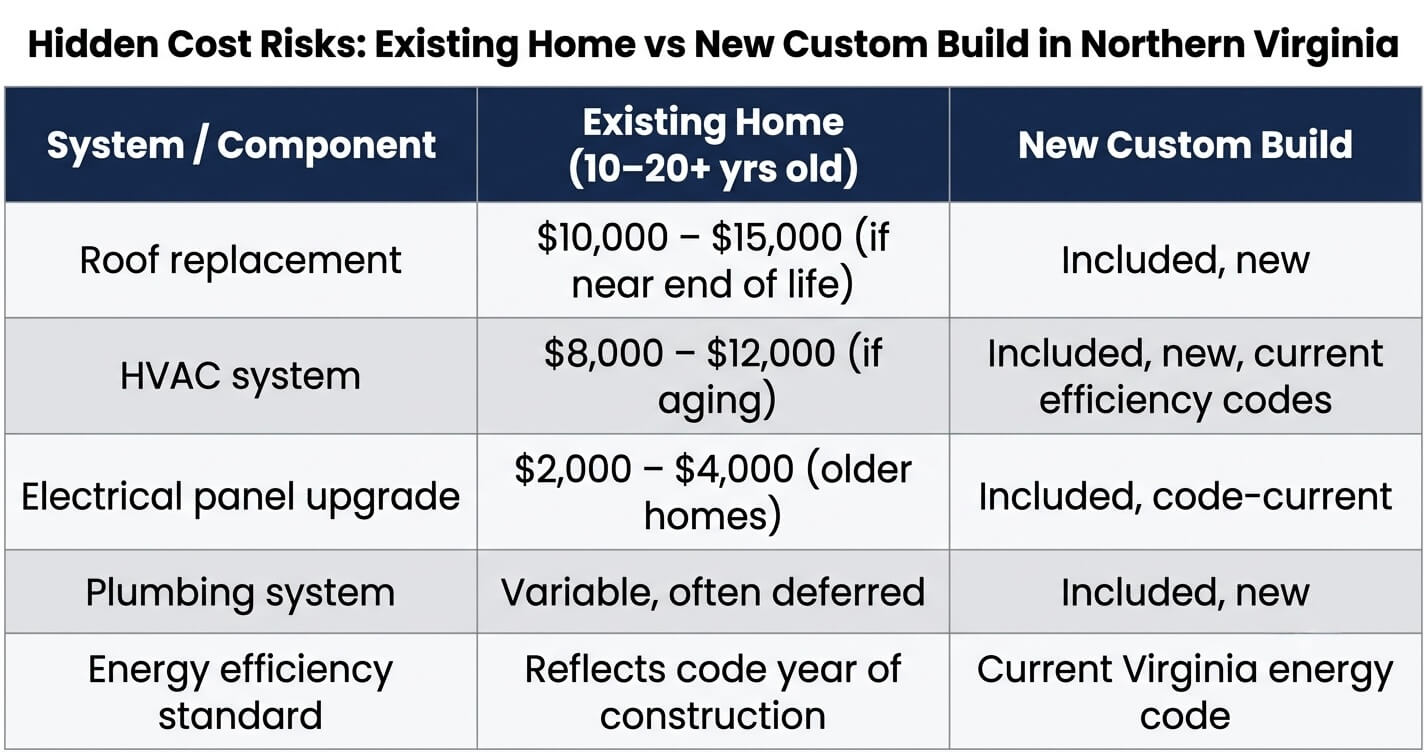
None of these figures typically show up on a listing sheet, and they are frequently discovered only during a home inspection, after an offer has already been accepted. A new custom build, by contrast, delivers all major systems new and under a builder warranty, removing this category of surprise cost for the first years of ownership.
For a broader look at where renovation dollars deliver the strongest return once these systems need replacing, see our Best ROI Home Improvements Northern Virginia 2026 guide.
Mortgage Rates, Land Availability, and the 2026 Northern Virginia Market
Mortgage rate lock-in is keeping resale inventory unusually tight across Northern Virginia in 2026, since homeowners who refinanced at low rates in 2020 and 2021 have little financial incentive to sell and take on a new loan at today’s rates. At the same time, buildable land in close-in jurisdictions like McLean and Arlington is scarce, pushing some buyers toward outer Fairfax County or a full custom build on a harder-to-find lot.
Research published by the Federal Housing Finance Agency found that each percentage point by which current market mortgage rates exceed a homeowner’s existing fixed rate reduces that homeowner’s probability of selling by approximately 18.1%, and this lock-in effect prevented an estimated 1.72 million home sale transactions nationally between the second quarter of 2022 and the second quarter of 2024.
That dynamic has two direct effects on the custom home vs buying existing home Northern Virginia decision. First, fewer existing homes are listed for sale in desirable school districts and close-in submarkets, which pushes resale prices up even in an otherwise stable market. Second, undeveloped or teardown-eligible lots become relatively more attractive to buyers who cannot find the resale home they want, particularly in McLean, Great Falls, and parts of Vienna where lot scarcity is most pronounced.
Financing also differs meaningfully between the two paths. A custom build typically requires a construction-to-permanent loan, which carries a higher interest rate during the build phase and converts to a standard mortgage at completion, while an existing home purchase uses a standard 30-year fixed mortgage from day one.
Custom Home vs Buying Existing Home Northern Virginia: Which Should You Choose?
Building generally makes the most sense for buyers with a 12-to-18-month timeline, a specific must-have floor plan, or difficulty finding suitable resale inventory in their target neighborhood. Buying an existing home wins for buyers who need to move within months, want an established neighborhood immediately, or prefer to avoid construction-phase financing.
Choose custom construction when: you have flexibility on move-in date, you want full control over layout and finishes, resale inventory in your target area is scarce, and you have budget room for the land and construction-loan premium.
Choose an existing home when: you need to close within 60 days, you want an established neighborhood with mature landscaping, and you’re comfortable budgeting for near-term system replacements identified during inspection.
Consider renovation instead when: you already own a home in a location you want to keep, and the improvements needed are targeted rather than a full teardown-and-rebuild. Our Home Renovation Northern Virginia team can help evaluate whether renovating in place outperforms both building and buying for your specific situation.
Whichever path fits your timeline and goals, working through actual numbers for your target neighborhood and lot type, rather than relying on national averages, is the only way to answer the custom home vs buying existing home Northern Virginia question with confidence.
Frequently Asked Questions
Is it cheaper to build a custom home or buy an existing home in Northern Virginia?
Buying an existing home is usually cheaper up front in Northern Virginia, since custom construction costs roughly $200 to $450+ per square foot before land, and premium lots in McLean or Great Falls alone can exceed $400,000. However, hidden resale costs like roof, HVAC, and electrical replacements can narrow that gap significantly over the first several years of ownership.
How long does it take to build a custom home in Fairfax County?
Most custom home builds in Fairfax County take 12 to 18 months from initial consultation through move-in, including design, engineering, permitting, and construction. Permitting alone can take one to three months depending on lot complexity and review volume.
What permits are required to build a custom home in Northern Virginia?
A custom home build in Northern Virginia requires a residential building permit along with separate electrical, plumbing, and mechanical permits, all reviewed through Fairfax County’s Land Development Services and its PLUS portal.
Is land available for custom home building in McLean or Great Falls?
Buildable land in McLean and Great Falls is limited and priced at a premium, often $400,000 to $1,000,000+ per lot, because both jurisdictions are largely built out with limited remaining undeveloped or teardown-eligible parcels.
What hidden costs come with buying an older home in Northern Virginia?
Older Northern Virginia homes commonly need a roof replacement ($10,000–$15,000), HVAC system replacement ($8,000–$12,000), or electrical panel upgrade ($2,000–$4,000) within the first years of ownership if those systems weren’t recently updated.
Does building a custom home cost more per square foot than buying?
Yes, in most Northern Virginia submarkets, custom construction costs more per square foot than an equivalent existing home purchase, primarily because new-construction pricing reflects current labor, material, and code-compliance costs rather than a home’s depreciated market value.
Should I build or buy if I need to move within a year?
If you need to move within a year, buying an existing home is almost always the more realistic option, since even the fastest custom builds in Northern Virginia take 12 months or more from consultation to move-in.
To Sum Up
There is no universal answer to the custom home vs buying existing home Northern Virginia question. Building delivers full design control, current energy codes, and new-system warranties, but demands a longer timeline, a construction loan, and a scarce, expensive lot in premium submarkets like McLean and Great Falls. Buying an existing home is faster and often cheaper up front, but can carry hidden system-replacement costs that emerge only after closing. The right choice depends on your timeline, budget flexibility, and how strongly you value a specific floor plan versus an established neighborhood.
Weighing a custom home vs buying existing home Northern Virginia decision for your own family? Contact US Home Design Build to discuss your goals, budget, and timeline with our team.
