
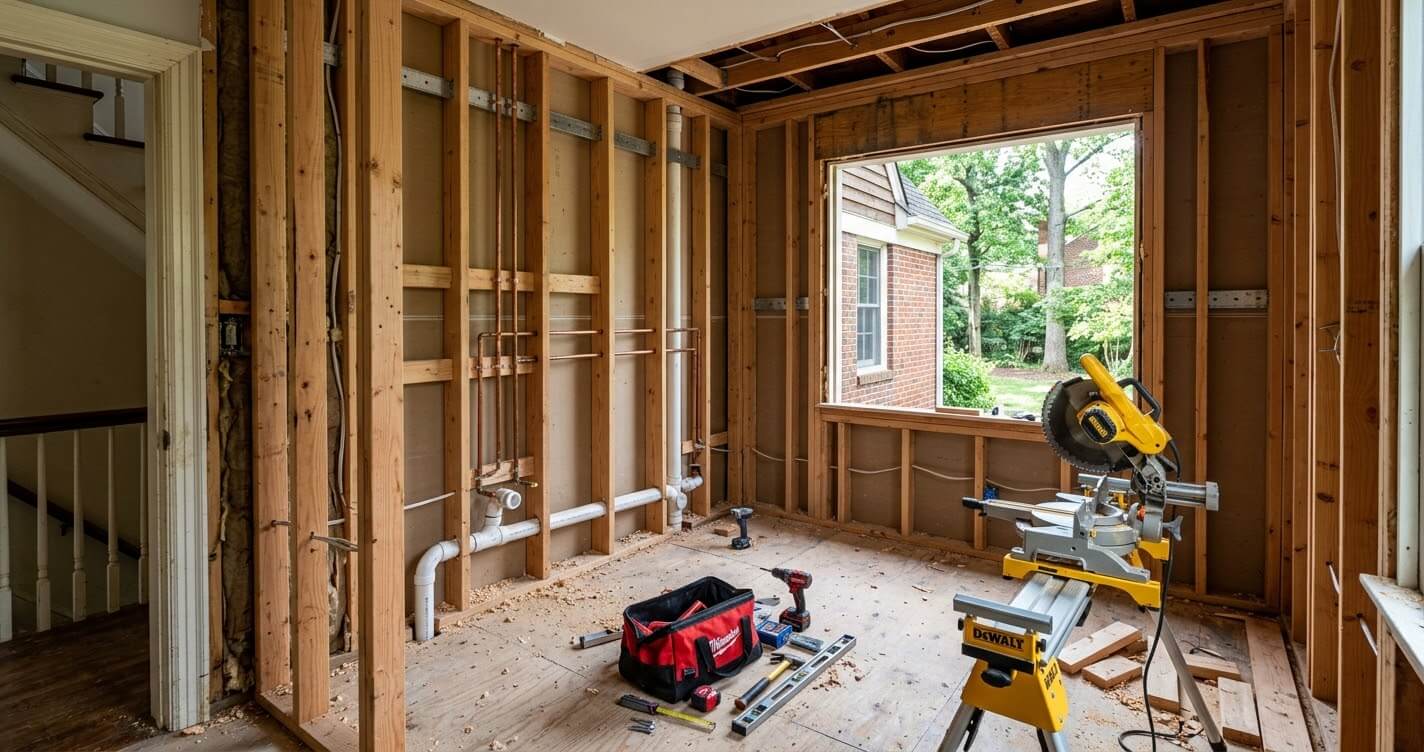
In most cases, yes, you can add a bathroom to an existing home Northern Virginia, as long as the space you choose is reasonably close to existing plumbing lines and has enough structural clearance for framing, venting, and drain slope. The bigger question isn’t whether it’s possible, but which location makes it affordable: a closet next to a kitchen wall behaves very differently, cost-wise, than a bump-out on the far side of the house.
Northern Virginia’s housing stock makes this a common question. A large share of homes across Fairfax County, McLean, Vienna, Reston, Great Falls, and Burke were built decades ago with three or four bedrooms and only one and a half bathrooms, a ratio that doesn’t match how families use space today. With our design-build team having guided homeowners across these communities through additions, remodels, and renovations, we put this guide together to walk through what it actually costs, what permits Fairfax County requires, and what the process looks like from first sketch to final inspection.
Can You Add a Bathroom to an Existing Home?
Yes. Most single-family homes in Northern Virginia can accommodate a new bathroom, either by converting existing square footage (a closet, a section of a bedroom, part of an unfinished basement) or by building a small addition. The limiting factors are proximity to a existing drain stack, ceiling height for venting, and whether the floor structure can support the added plumbing.
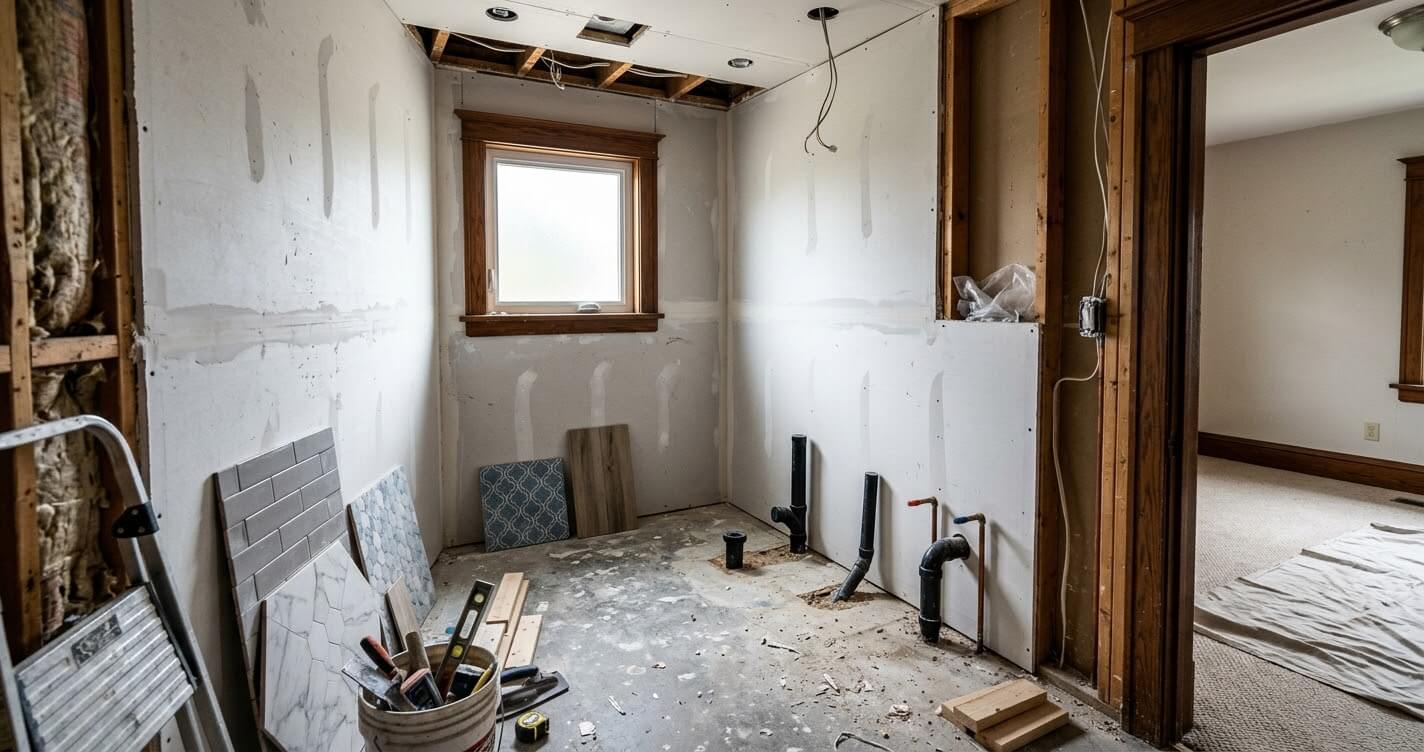
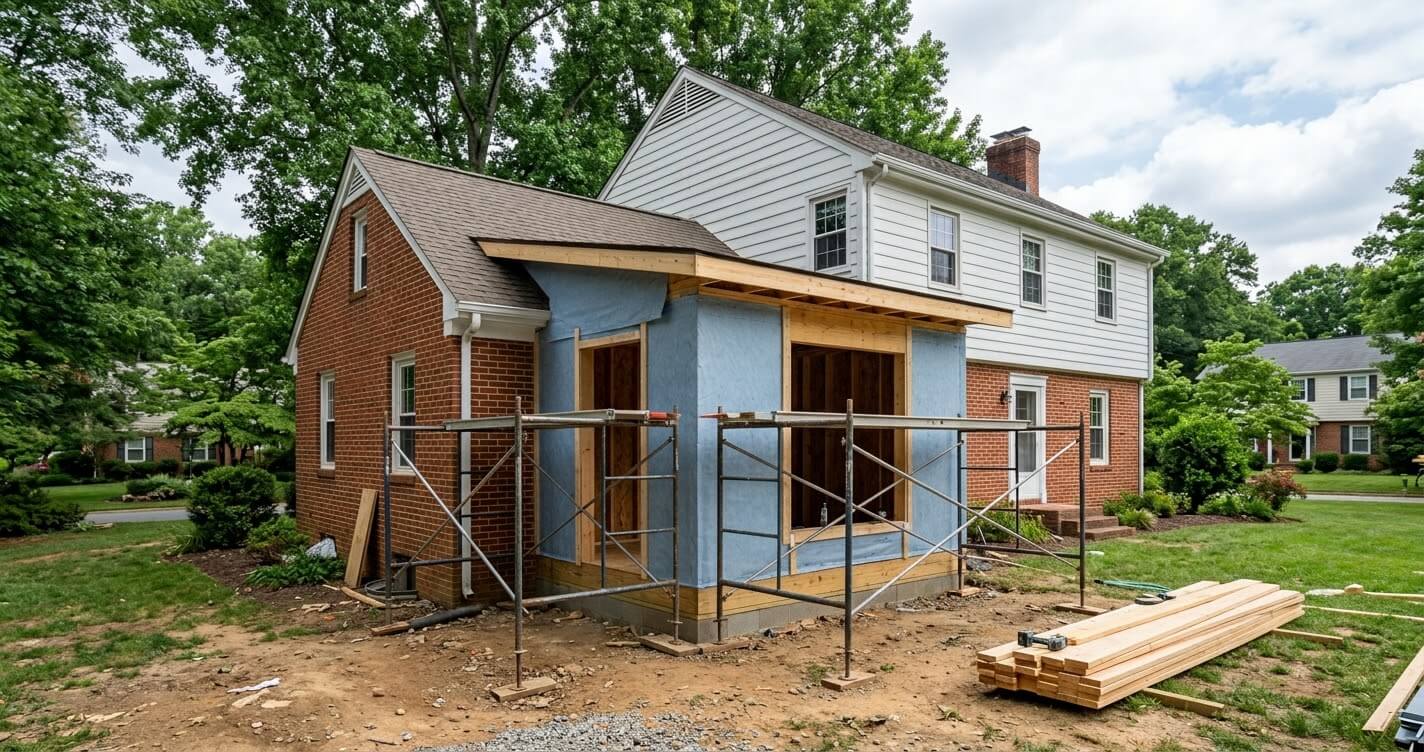
The four most common ways homeowners add a bathroom to an existing home in Northern Virginia are: converting an existing closet or storage space near a shared plumbing wall, finishing a section of an unfinished basement (often the least expensive per square foot because framing is already in place), bumping out a small addition off a bedroom or hallway, and adding a bathroom as part of a larger second-story or master suite addition.
Homeowners comparing this option against a full remodel of an existing bathroom should also review our Bathroom Addition vs. Bathroom Remodel Northern Virginia comparison, which breaks down when adding a new bathroom makes more sense than upgrading one you already have.
How Much Does It Cost to Add a Bathroom in Northern Virginia?
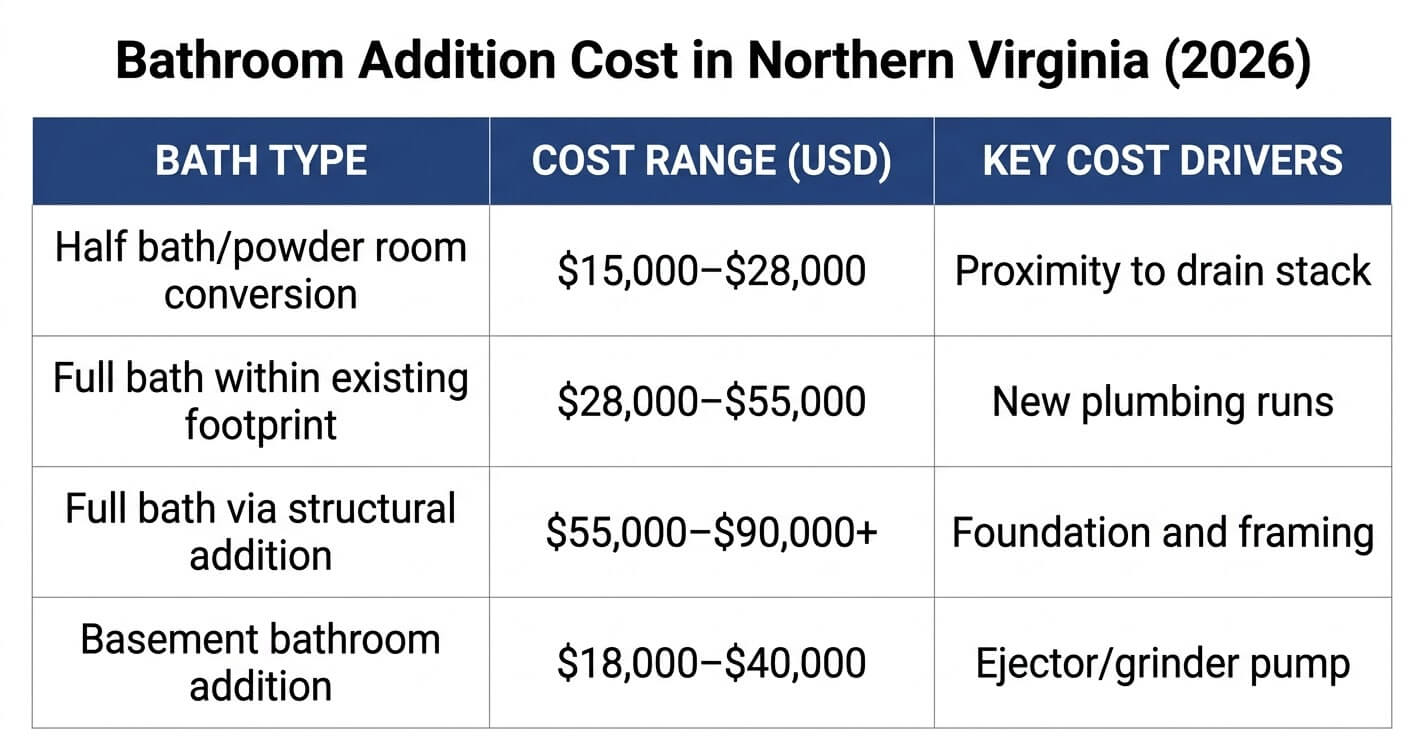
A bathroom addition in Northern Virginia typically runs from about $15,000 for a simple powder room conversion to $90,000 or more for a full primary bathroom built as part of a structural addition. Plumbing proximity is the single biggest cost driver, not size or finish level.
The table below breaks down typical Northern Virginia ranges by project type. These figures reflect design-build pricing across Fairfax County and surrounding communities and will vary based on site conditions, existing plumbing layout, and finish selections.
For homeowners weighing this cost against a full structural addition elsewhere in the home, our Home Addition Cost Fairfax County VA guide covers per-square-foot addition pricing in more detail, and our Northern Virginia Home Addition Cost guide covers the same factors region-wide.
Homeowners considering a similar project may benefit from discussing their options with an experienced design-build team before finalizing a budget or bathroom location.
What Permits Do You Need to Add a Bathroom in Fairfax County?
Adding a bathroom in Fairfax County requires a building permit plus separate plumbing and electrical trade permits, filed through the county’s PLUS (Planning and Land Use System) portal. Arlington County homeowners file the equivalent permits through the Permit Arlington Center instead.
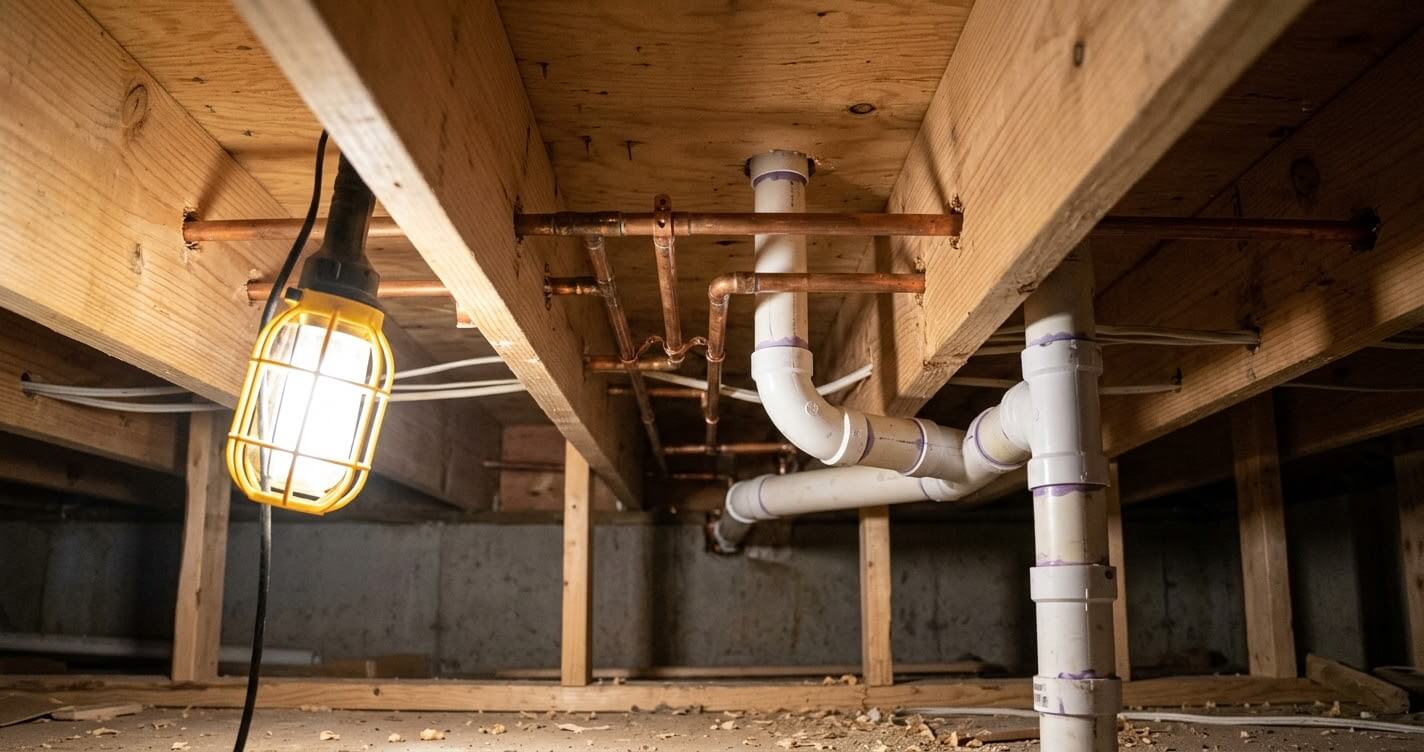
Fairfax County requires a building permit for residential additions and alterations, and the county’s own guidance states that the installation of any new plumbing fixture requires a permit, which covers every bathroom addition regardless of size. This information comes directly from Fairfax County’s Code Compliance division.
Plumbing and electrical trade permits in Fairfax County are typically obtained online after the associated building permit is issued, and some plumbing permits may additionally require wastewater or health approval depending on the scope of work. This detail comes from the county’s own Land Development Services plumbing permit page.
Either the homeowner or a licensed contractor can apply for these permits, though most Northern Virginia design-build firms handle the filings directly as part of the project. Related reading: our Remodeling Permit Fairfax County guide covers how permit requirements differ across kitchen, bathroom, and addition projects.
Step-by-Step: The Bathroom Addition Process
A typical bathroom addition in Northern Virginia moves through five phases: design and layout, permitting, rough-in construction, inspections, and finish work, usually taking four to ten weeks depending on whether the project requires new structural framing.
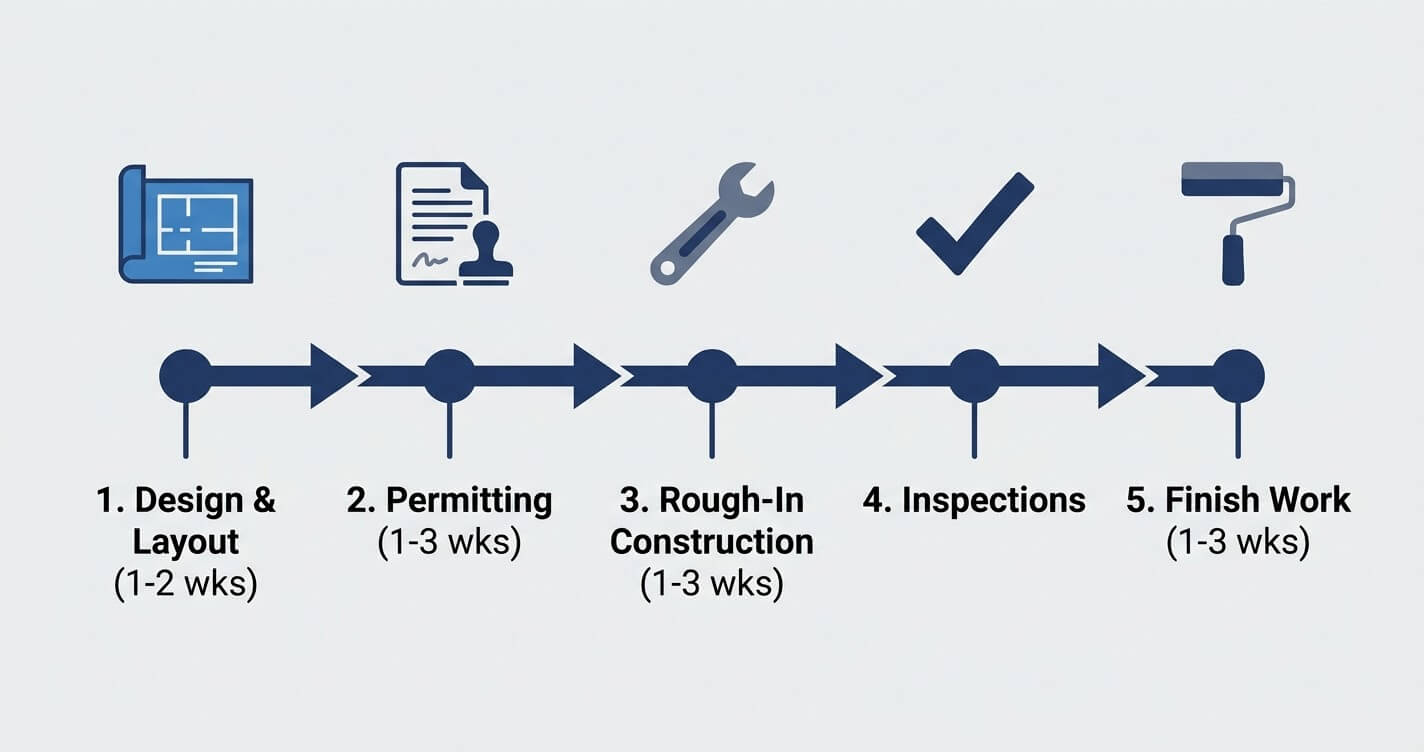
1. Design and Layout (1–2 weeks)
This phase locks in the bathroom’s location relative to existing plumbing, confirms ceiling height and venting paths, and produces the drawings needed for permitting.
2. Permitting (1–3 weeks)
Building, plumbing, and electrical permits are submitted through Fairfax County’s PLUS portal (or Arlington’s Permit Arlington Center). Timelines vary with reviewer workload and how complete the submitted plans are.
3. Rough-In Construction (1–3 weeks)
Framing, plumbing supply and drain lines, electrical circuits, and ventilation ductwork are installed before walls close.
4. Inspections
Rough-in inspections for plumbing, electrical, and mechanical work each happen separately before drywall goes up, followed by a final inspection once the bathroom is complete.
5. Finish Work (1–3 weeks)
Tile, fixtures, vanity, paint, and final trim are installed, followed by the final walkthrough.
5 Common Mistakes Homeowners Make When Adding a Bathroom
The most expensive mistakes in a bathroom addition happen before construction starts: picking a location far from existing plumbing, skipping permits, underestimating ventilation requirements, undersizing the layout, and choosing finishes before confirming the budget for infrastructure.
1. Choosing a location far from existing plumbing
Every extra foot of new drain and supply line adds cost. A bathroom placed back-to-back with an existing kitchen or bathroom wall is almost always the more affordable option.
2. Skipping the permit process
Unpermitted plumbing or electrical work can complicate a future home sale and may need to be opened up and redone to pass inspection.
3. Underestimating ventilation needs
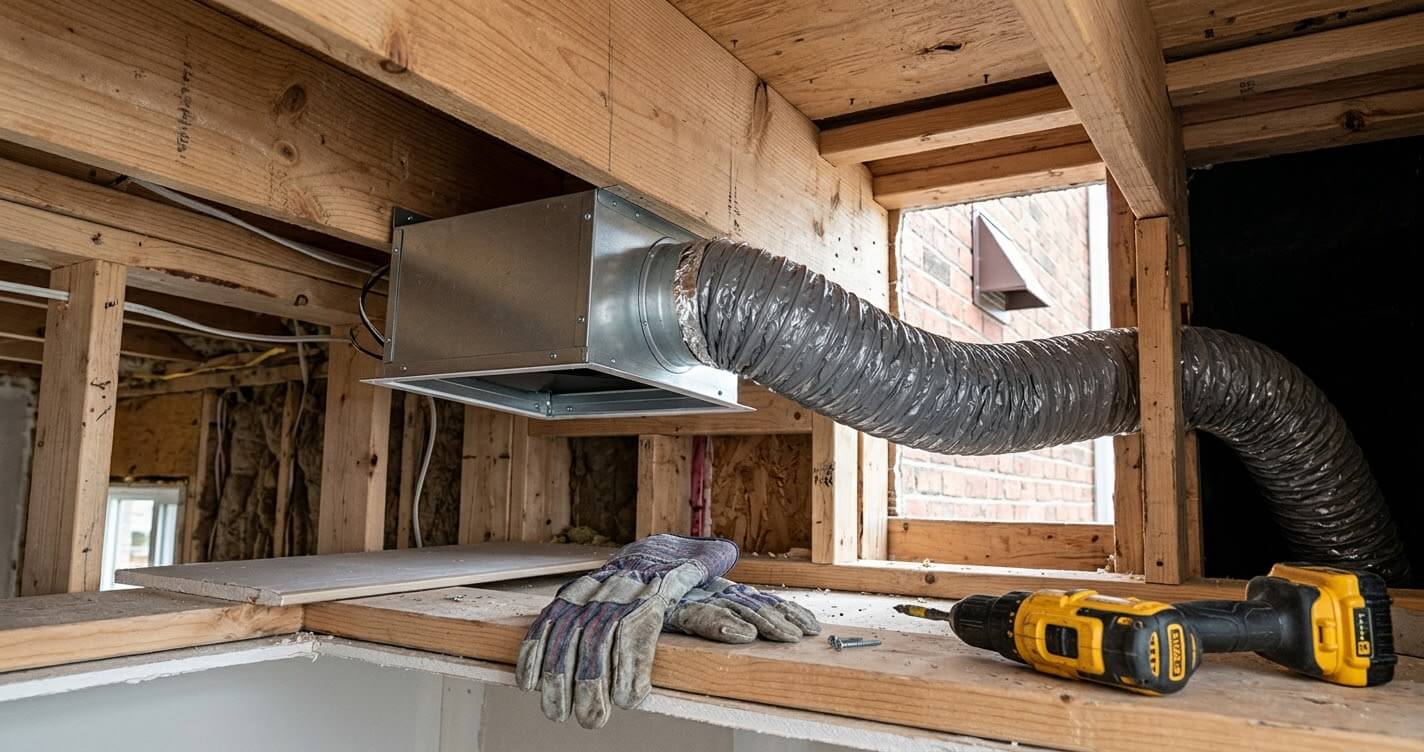
Bathrooms without an exterior window require mechanical exhaust ventilation to code, which affects both layout and budget.
4. Undersizing the space
A bathroom that’s too tight to meet fixture clearance requirements often needs costly rework mid-project.
5. Locking in finishes before confirming the infrastructure budget
Plumbing, framing, and ventilation should be budgeted first, tile and fixtures are the easiest costs to adjust later.
For a broader look at planning pitfalls across renovation types, see our 30% Rule for Home Renovations in Northern Virginia guide.
Is Adding a Bathroom Worth It? Value & ROI in Northern Virginia
Nationally, homeowners recovered an estimated 56% of the cost of adding a new bathroom at resale, according to the National Association of Realtors’ 2025 Remodeling Impact Report, making it one of the higher cost-recovery projects tracked in that report.
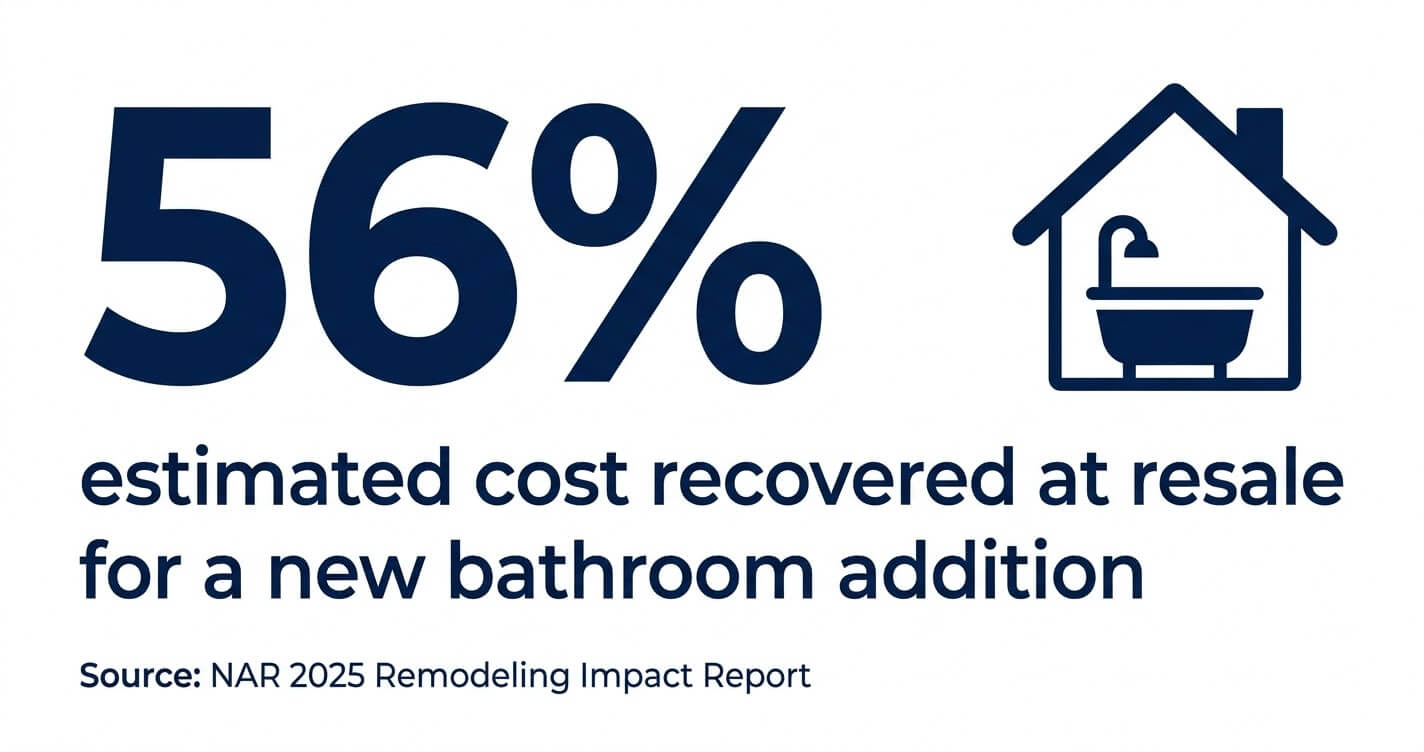
According to the National Association of Realtors’ 2025 Remodeling Impact Report, developed in partnership with the National Association of the Remodeling Industry, Americans spent an estimated $603 billion on home remodeling projects in 2024, and adding a new bathroom ranked among the stronger cost-recovery projects the report tracked.
Beyond resale value, an added bathroom addresses a bedroom-to-bathroom ratio that’s common in older Northern Virginia homes, reducing morning bottlenecks and adding flexibility for guests, aging parents, or a home office setup with its own facilities.
Homeowners weighing ROI against overall renovation budget should also see our 30% Rule for Home Renovations in Northern Virginia guide for how much of a home’s value is reasonable to put toward any single project.
Where to Add a Bathroom in an Existing Northern Virginia Home
The four most cost-effective locations for a new bathroom are: an unfinished basement, a closet adjacent to a kitchen or existing bathroom wall, a corner of an oversized bedroom, and as part of a planned second-story or master suite addition.
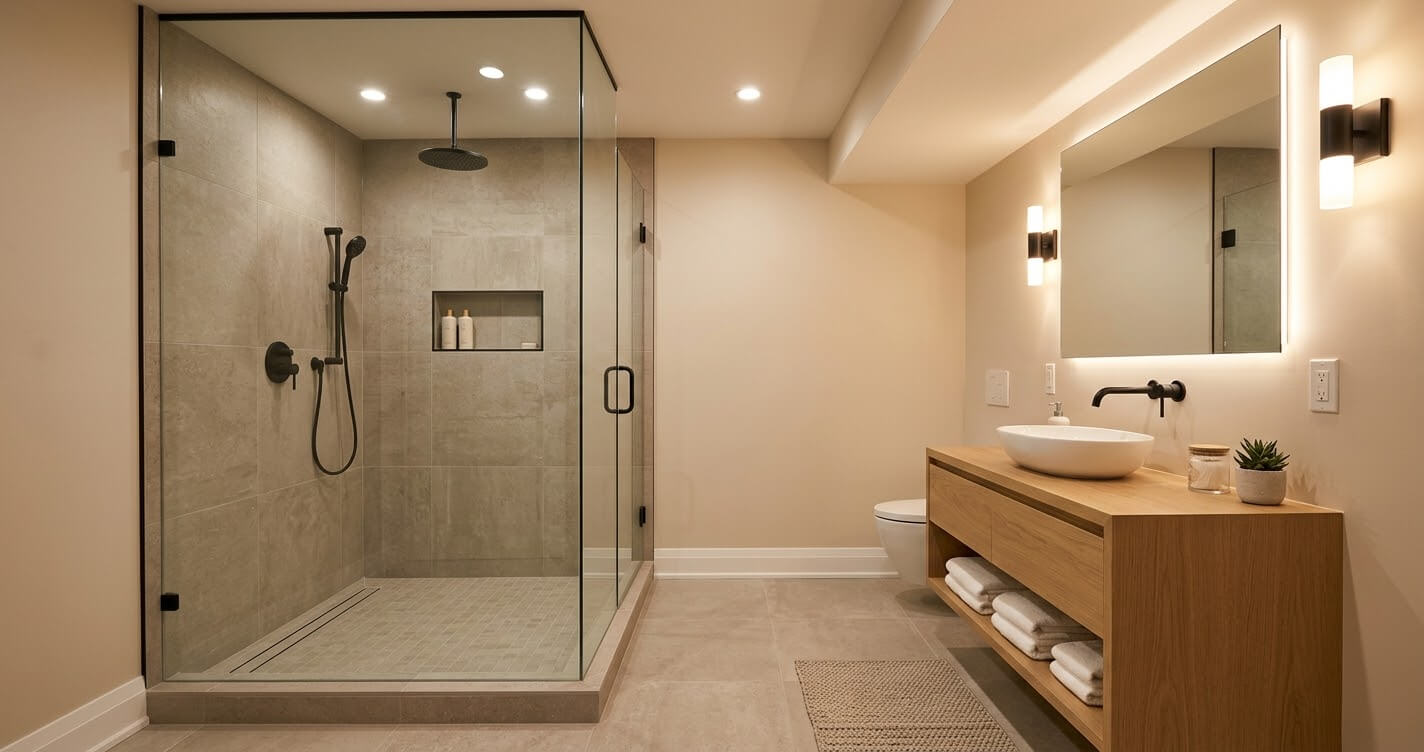
Basements are frequently the most economical option because the framing and foundation already exist, the main added cost is often an ejector or grinder pump if the basement sits below the main sewer line. Closet conversions work well in homes with a generous primary bedroom closet positioned near a shared plumbing wall.
Homeowners planning a larger structural project can fold a new bathroom into a broader home addition instead of a standalone conversion, which is often more efficient when a second story or master suite expansion is already being considered.
For homeowners weighing a smaller footprint solution, our Small Bathroom Design Ideas Arlington VA guide covers layout and fixture choices that make a compact new bathroom feel larger.
Frequently Asked Questions
Can I add a bathroom to an existing home Northern Virginia?
Yes, in most cases. Feasibility depends on how close the new location is to existing plumbing and whether there’s enough structural clearance for framing and venting, not on the age or style of the home.
How much does it cost to add a bathroom in Fairfax County?
Costs typically range from about $15,000 for a simple powder room conversion to $90,000 or more for a full bathroom built as part of a structural addition, with plumbing proximity as the main cost driver.
Do I need a permit to add a bathroom in Northern Virginia?
Yes. Fairfax County requires a building permit plus plumbing and electrical trade permits for any new bathroom, filed through the PLUS portal. Arlington County homeowners use the Permit Arlington Center for the equivalent process.
How long does it take to add a bathroom to a house?
Most bathroom additions take four to ten weeks from design through final inspection, depending on whether new structural framing or a foundation extension is required.
Is it cheaper to convert a closet into a bathroom than to build an addition?
Yes, in most cases. Converting existing interior space avoids the foundation, framing, and roofline work a structural addition requires, which typically keeps costs on the lower end of the range.
Does adding a bathroom increase home value in Northern Virginia?
It can. Nationally, homeowners recovered an estimated 56% of the project cost at resale according to NAR’s 2025 Remodeling Impact Report, and the value tends to be strongest in homes where the bedroom count outpaces the existing bathroom count.
To Sum Up
For most homeowners across Fairfax County, McLean, Vienna, Reston, Great Falls, and Burke, the answer to whether you can add a bathroom to an existing home in Northern Virginia is yes, the real planning questions are where the new bathroom fits relative to existing plumbing, what permits the project will require, and how the budget lines up with the rest of the home’s value. Getting those three questions answered early is what separates a smooth bathroom addition from a costly one.
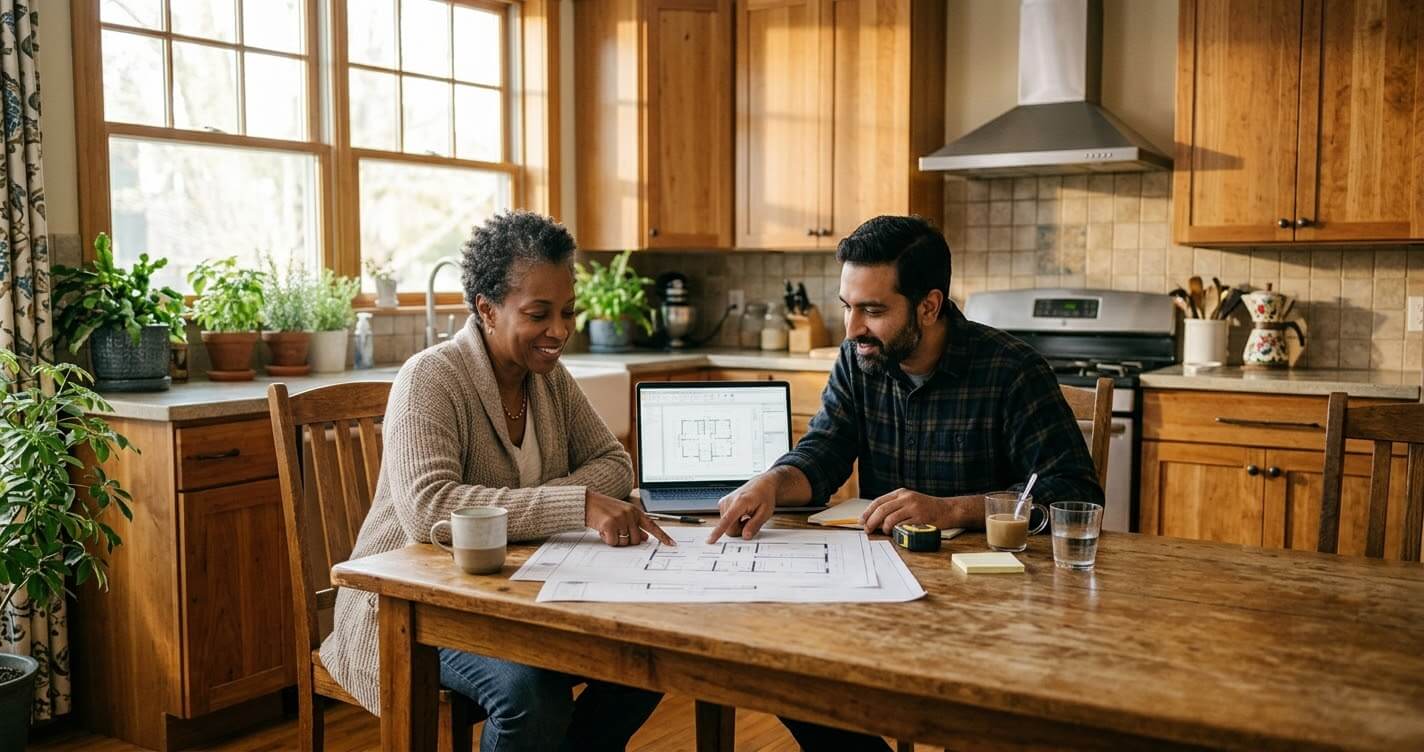
Planning to add a bathroom to your Northern Virginia home? Contact US Home Design Build to discuss feasibility, permitting, and budget with our design-build team.
