
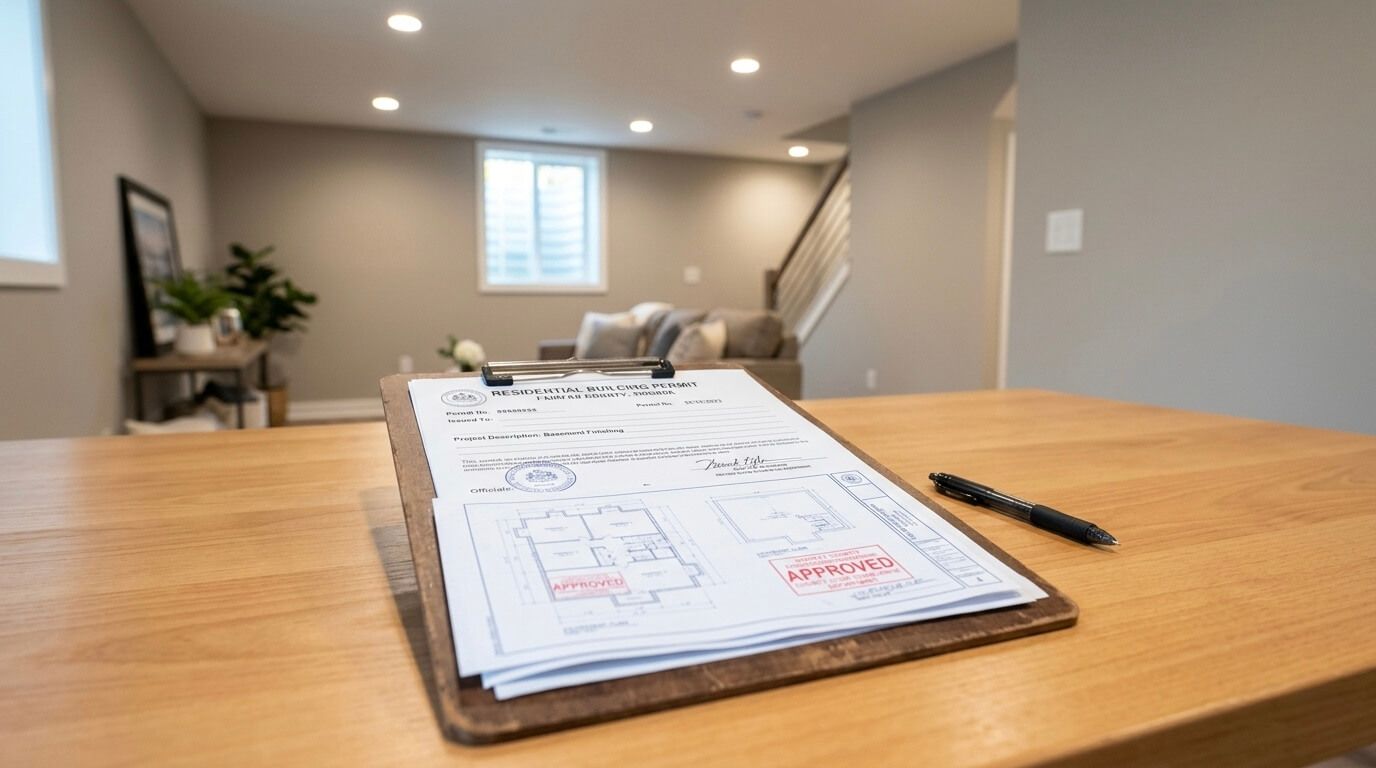
Many homeowners only realize the importance of permits after a project is already underway, or worse, when an inspection fails. If you’re planning a basement remodel, understanding the basement finishing permit Fairfax County VA requirements from the start can save you time, money, and legal trouble.
In Northern Virginia, Fairfax County enforces detailed construction regulations designed to ensure safety and code compliance. Whether you’re adding a bedroom, bathroom, or upgrading utilities, permits play a critical role in the process. This guide breaks down what’s required, why it matters, and how to approach your basement project the right way.
Basement Finishing Permit Fairfax County VA: What Homeowners Must Know
In Fairfax County, VA, a permit is typically required for most basement finishing projects, especially when the work involves structural changes or modifications to major home systems.
According to official Fairfax County guidelines, permits are mandatory when construction, alteration, or installation impacts the building’s structure, electrical systems, plumbing, or mechanical components. This includes even partial basement renovations if they go beyond cosmetic upgrades like painting or flooring.
Any of the following will trigger permit requirements:
- Structural framing or wall modifications
- Electrical wiring or panel upgrades
- Plumbing installations (e.g., bathrooms, wet bars)
- HVAC system extensions or alterations
The county clearly outlines these requirements under its “When Permit Required” regulations, which state that permits are necessary to ensure all work meets the Virginia Uniform Statewide Building Code (USBC).
Failing to obtain a permit can lead to:
- Stop-work orders
- Fines or penalties
- Mandatory removal of completed work
- Complications during home resale or inspection
From a compliance standpoint, permits ensure that all work is inspected and approved at key stages, reducing long-term safety risks and protecting your investment.
What Basement Finishing Work Requires a Permit in Fairfax County?
In Fairfax County, most basement finishing activities go beyond cosmetic improvements and therefore require proper permitting. The moment you modify structural components or introduce mechanical systems, permits become legally necessary.
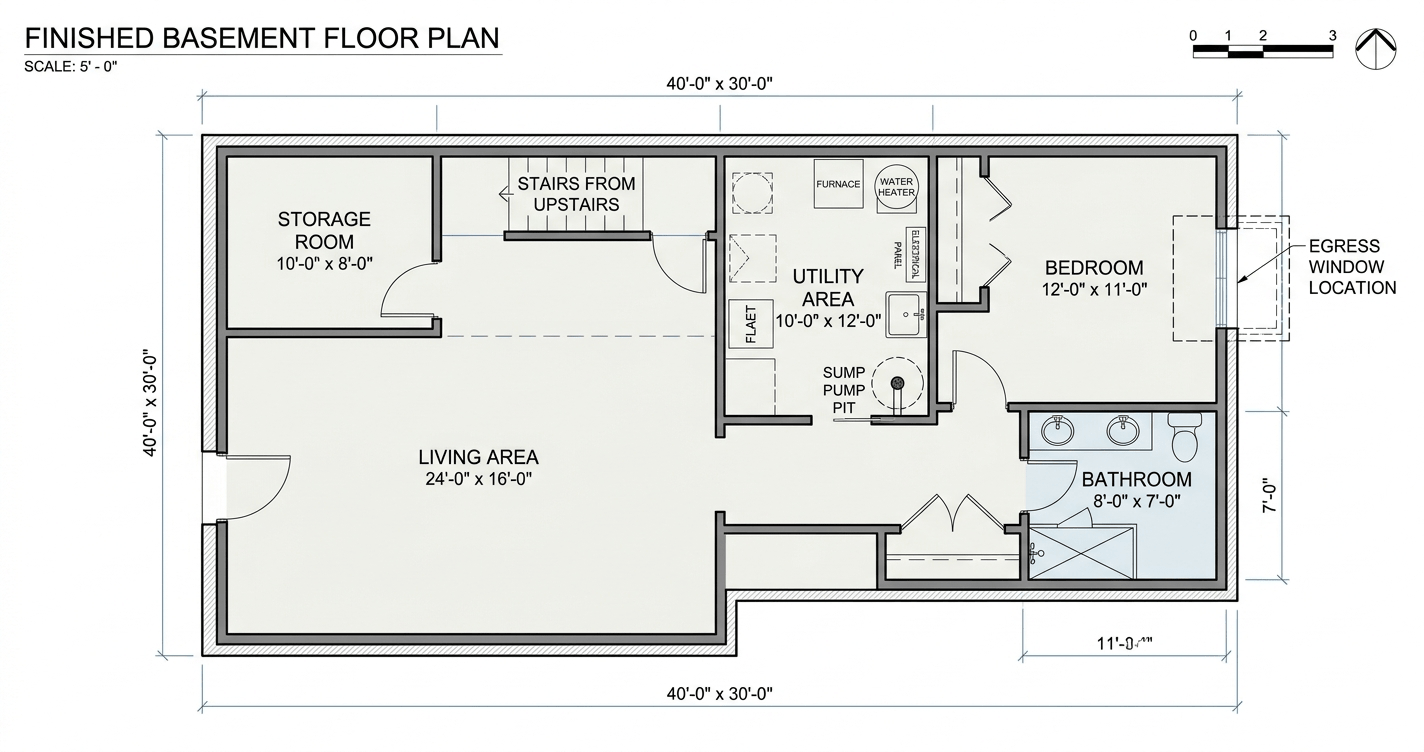
Below is a breakdown of common basement finishing elements that require permits:
Framing and Wall Construction
Any new wall framing, partitioning, or load-bearing modifications require a building permit. Even non-load-bearing walls must meet spacing, fastening, and fire-blocking code requirements.
Bathroom Additions
Adding a bathroom in the basement involves both plumbing and building permits. This includes drainage systems, venting, waterproofing, and fixture installation, all of which must comply with local and state codes.
Bedroom Additions
Creating a bedroom is not just about adding walls, it must meet strict safety standards, including minimum square footage, ceiling height, ventilation, and emergency egress requirements.
Electrical Wiring
Installing new outlets, lighting fixtures, or circuits requires an electrical permit. All wiring must comply with the National Electrical Code (NEC) and pass inspection before drywall installation.
Plumbing Work
Any plumbing installation, such as sinks, toilets, or sump pumps, requires permits. Proper pipe sizing, venting, and backflow prevention are critical compliance factors.
HVAC Modifications
Extending ductwork, adding vents, or installing new heating/cooling systems requires mechanical permits. These changes must ensure proper airflow, load balancing, and energy efficiency.
Egress Window Installation
Installing an egress window is mandatory for basement bedrooms and requires a permit. It must meet strict size, accessibility, and safety standards to allow emergency escape and rescue access.
Technical Insight
According to Fairfax basement finishing guidelines, all basement conversions must comply with:
- Minimum ceiling height requirements (typically ≥ 7 feet)
- Emergency escape and rescue openings (egress)
- Moisture control and insulation standards
- Fire safety and smoke alarm placement
These requirements are enforced through plan reviews and multiple inspection stages to ensure full compliance before final approval.
Permits You May Need for Basement Finishing
When planning a basement remodel, understanding the full scope of the basement finishing permit Fairfax County VA requirements is critical. In most cases, basement projects involve multiple systems, structural, electrical, plumbing, and mechanical, which means more than one permit is typically required. Fairfax County enforces a multi-permit approval process, ensuring that each aspect of the project complies with the Virginia Uniform Statewide Building Code (USBC) and local amendments.
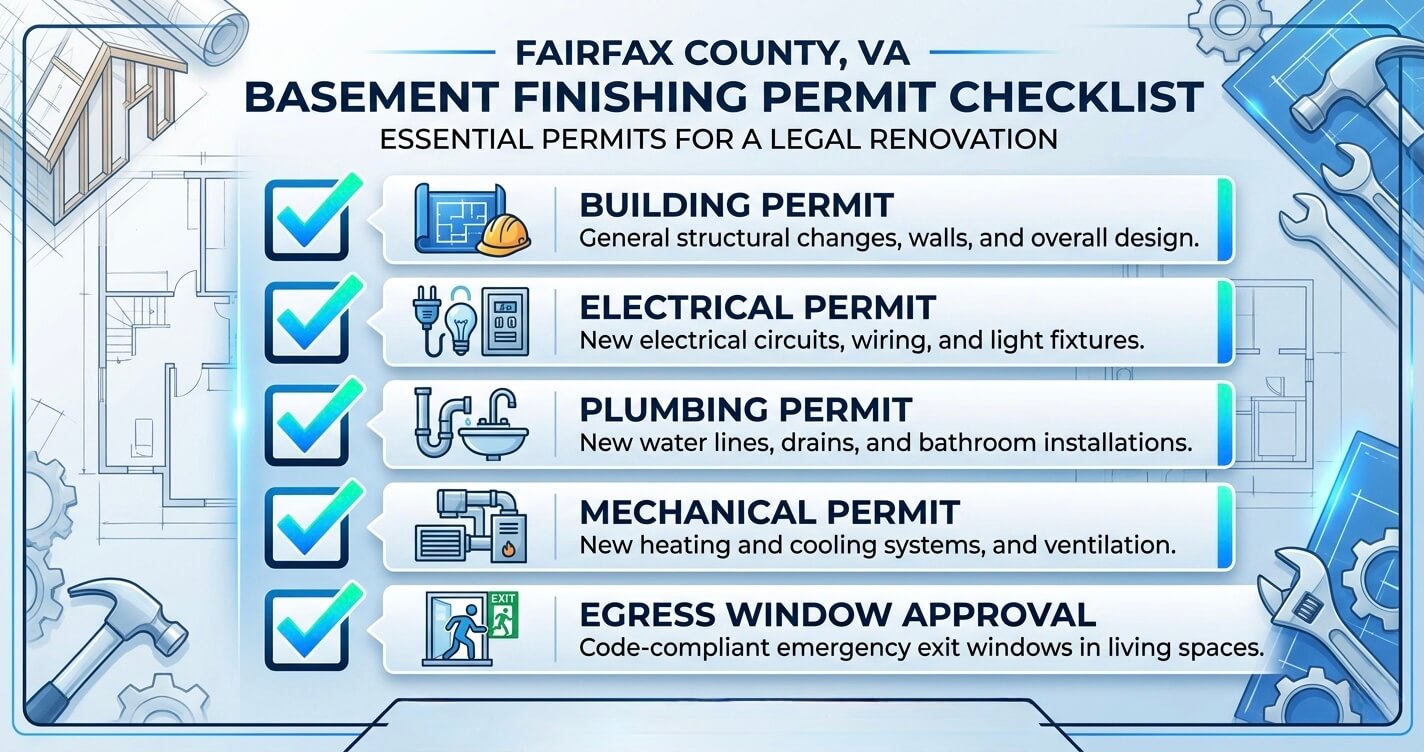
Below is a breakdown of the key permits homeowners may need before starting work.
Building Permit
A building permit is the primary approval required for basement finishing. It covers structural elements such as wall framing, room layout changes, ceiling modifications, and any alteration to load-bearing components.
This permit ensures:
- Structural integrity of added walls and partitions
- Compliance with ceiling height and space requirements
- Proper fire-blocking and draft-stopping measures
Without a building permit, even basic layout changes can be considered a code violation if inspected later.
Electrical Permit
An electrical permit is required whenever new wiring, outlets, lighting fixtures, or circuit modifications are introduced in the basement.
Fairfax County requires that:
- All wiring complies with the National Electrical Code (NEC)
- Circuits are properly grounded and load-balanced
- GFCI/AFCI protection is installed where required
Electrical inspections are typically conducted before and after drywall installation to ensure safety compliance.
Plumbing Permit
If your basement project includes a bathroom, wet bar, or laundry area, a plumbing permit is mandatory.
This permit regulates:
- Drainage and venting systems
- Water supply connections
- Backflow prevention and pipe sizing
Improper plumbing installation can lead to serious issues such as water damage, contamination risks, and failed inspections.
Mechanical Permit
A mechanical (HVAC) permit is required when modifying or extending heating, ventilation, or air conditioning systems into the basement.
This includes:
- Extending ductwork
- Installing new vents or returns
- Adding separate HVAC units or zoning systems
The goal is to ensure proper airflow, energy efficiency, and safe operation of all mechanical systems.
Egress Window Approval
Egress window approval is required when converting a basement into a habitable space, especially if adding a bedroom.
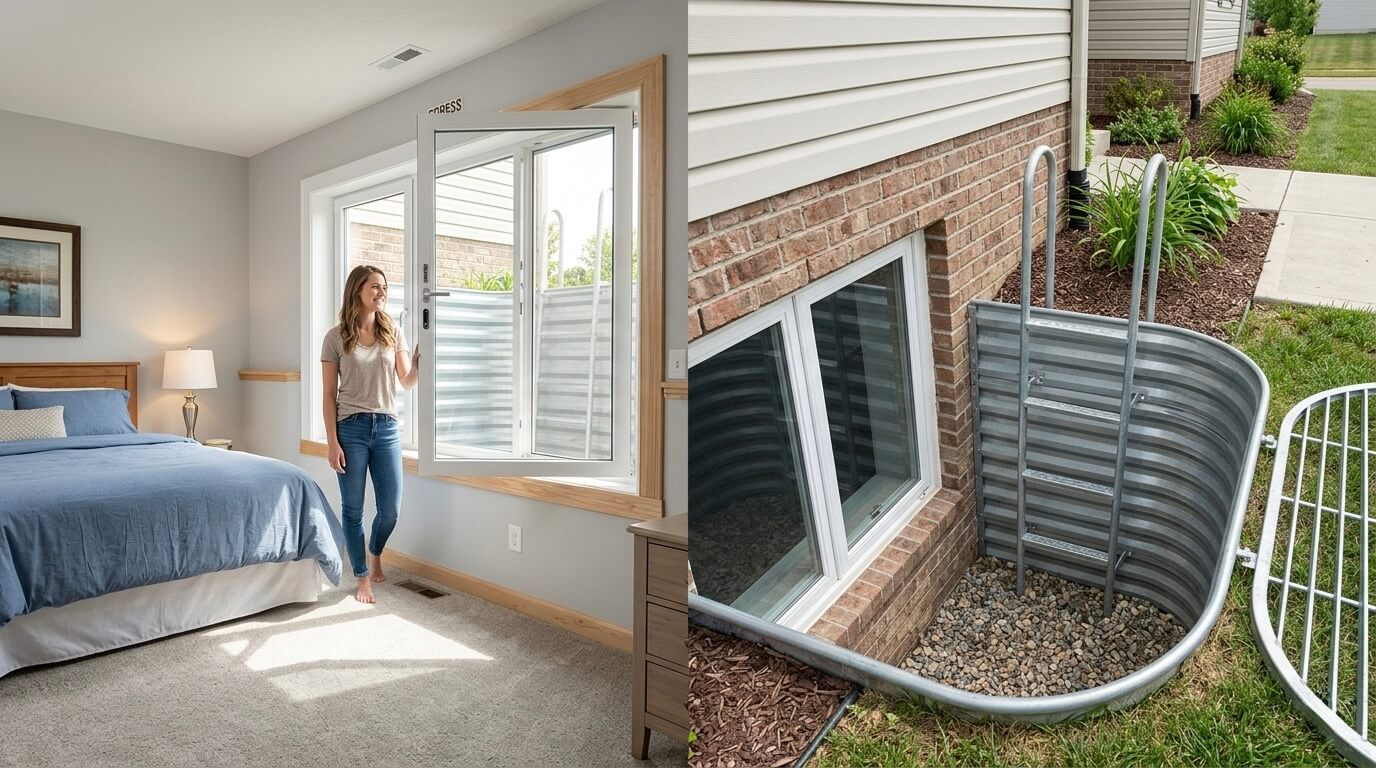
Fairfax County enforces strict egress standards to ensure:
- Emergency escape access for occupants
- Rescue access for first responders
- Minimum opening size and sill height compliance
Failure to install a compliant egress window can result in the space being legally classified as non-habitable, even if fully finished.
When You May NOT Need a Permit
Not all basement improvements require permits in Fairfax County. Generally, permits are not required for cosmetic upgrades that do not involve structural, electrical, plumbing, or mechanical changes.
Basement-specific examples include:
- Painting: Applying paint or wallpaper does not impact structural or system components and is exempt from permitting.
- Flooring Installation: Replacing carpet, vinyl, tile, or laminate flooring typically does not require approval, provided no subfloor modifications are involved.
- Cosmetic Upgrades: Minor aesthetic improvements such as trim work, decorative paneling, or surface-level enhancements are usually exempt.
- Cabinet Installation: Installing cabinets or shelving without altering walls, plumbing, or electrical systems does not require a permit.
However, homeowners should be cautious. Even seemingly minor upgrades may require permits if they involve hidden system changes; for example, running electrical wiring for cabinet lighting or modifying plumbing lines.
Fairfax County Basement Code Requirements
Before starting any project, it’s essential to understand the basement finishing permit Fairfax VA code requirements that govern safety and habitability. Fairfax County enforces detailed basement construction standards to ensure compliance with both local regulations and the Virginia Uniform Statewide Building Code (USBC).
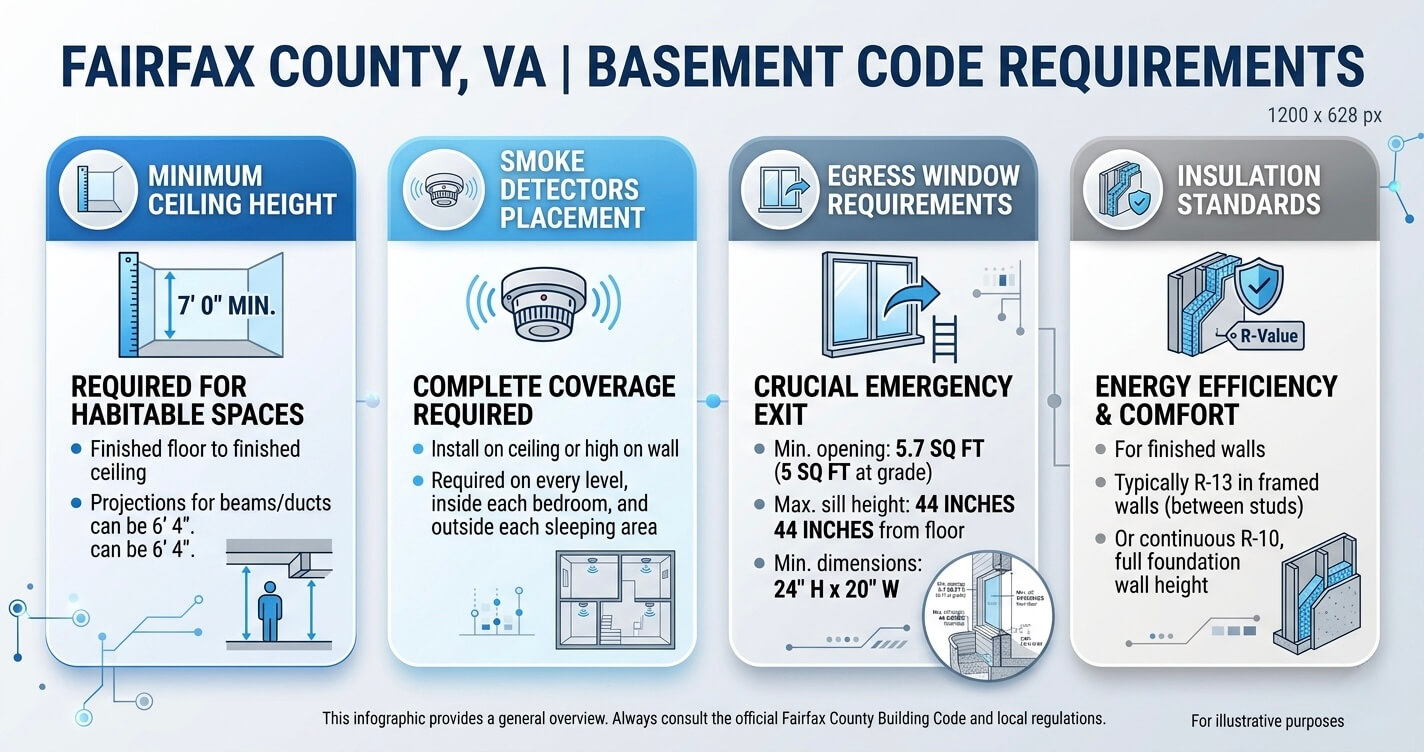
According to official basement construction guidelines, the following requirements must be met:
Ceiling Height Rules
Finished basements must generally have a minimum ceiling height of 7 feet for habitable spaces. Beams, ducts, and obstructions may have slightly lower clearance allowances, but must still meet code-defined limits.
Smoke Detectors
Smoke alarms are required in:
- Each bedroom
- Outside sleeping areas
- Each level of the home (including basement)
They must be hardwired with battery backup and interconnected so that activation in one area triggers all alarms.
Egress Requirements
Basements with sleeping areas must include at least one code-compliant emergency escape opening, typically an egress window or door.
Key requirements include:
- Minimum opening area
- Maximum sill height from the floor
- Direct access to the outside
This is a critical life-safety requirement and strictly enforced during inspections.
Insulation Rules
Basement walls must meet insulation standards to ensure energy efficiency and moisture control.
This includes:
- Proper insulation R-values based on climate zone
- Vapor barriers where required
- Moisture-resistant materials to prevent mold growth
Technical Compliance Note
All basement finishing projects are subject to plan review and staged inspections, including framing, electrical, insulation, and final approval. Failure to meet any of these requirements can delay project completion and result in additional costs.
What Happens If You Finish a Basement Without a Permit?
Finishing a basement without obtaining the required permits in Fairfax County is not just a technical oversight, it is a code violation under the Virginia Uniform Statewide Building Code (USBC) and local enforcement regulations. The county actively monitors unpermitted construction, and violations can lead to serious legal and financial consequences.
Fines and Penalties
Homeowners may face monetary fines for non-compliance, especially if the work is discovered during inspections, complaints, or property assessments. These penalties can increase if corrective actions are delayed.
Stop Work Orders
Fairfax County has the authority to issue stop-work orders, immediately halting all construction activity. This can significantly delay your project timeline and may require additional approvals before work can resume.
Inspection Failures and Rework
Unpermitted work often fails to meet required code standards. If discovered, homeowners may be required to:
- Open finished walls for inspection
- Remove non-compliant construction
- Redo work to meet current code requirements
This can result in substantial rework costs that far exceed the original permit fees.
Resale and Appraisal Complications
Unpermitted basement work can create major issues when selling a property. During home inspections or appraisals:
- The space may not be counted as legally finished square footage
- Buyers may request price reductions or repairs
- Lenders may raise concerns affecting loan approval
In some cases, sellers are legally required to disclose unpermitted work, which can impact buyer confidence and transaction timelines.
Legal Enforcement Note
Fairfax County’s code enforcement division operates under strict regulatory authority to investigate and address violations, including unpermitted basement construction. Enforcement actions may include notices of violation, civil penalties, and mandatory corrective measures to bring the property into compliance.
Step-by-Step: How to Get a Basement Finishing Permit in Fairfax County VA
Obtaining a basement finishing permit Fairfax VA involves a structured process designed to ensure that all construction meets safety and building code requirements. Following the correct steps not only streamlines approvals but also reduces the risk of delays or rejections.
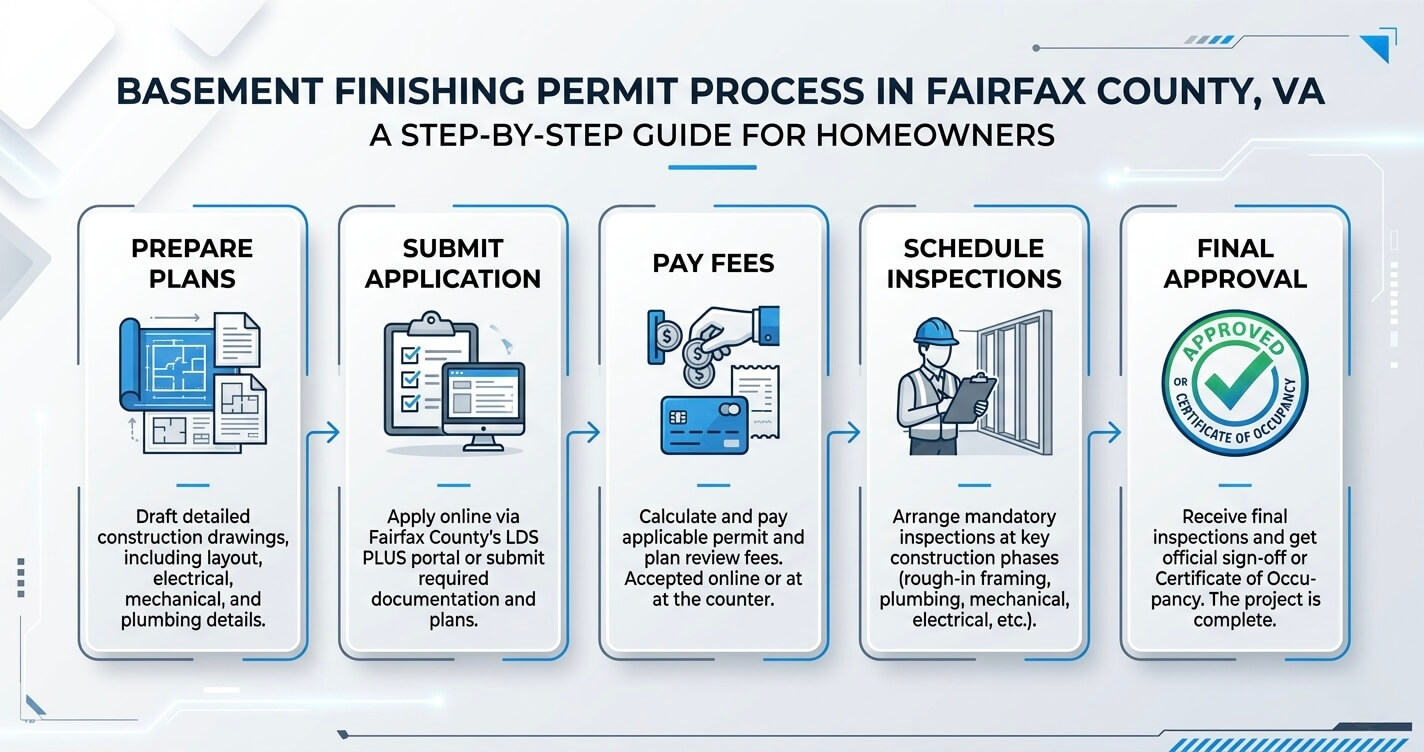
1. Prepare Detailed Construction Plans
Start by creating comprehensive plans that outline:
- Basement layout and room dimensions
- Framing details and wall configurations
- Electrical, plumbing, and HVAC systems
- Egress window placement (if applicable)
Plans must meet Fairfax County submission standards and align with the Virginia Uniform Statewide Building Code (USBC).
2. Submit Permit Application
Applications are typically submitted through Fairfax County’s permitting system. You’ll need to provide:
- Construction drawings
- Scope of work description
- Contractor information (if applicable)
Incomplete or inaccurate submissions can delay the review process.
3. Pay Applicable Permit Fees
Permit fees vary depending on the scope and valuation of the project. Fees may include:
- Building permit fee
- Trade permits (electrical, plumbing, mechanical)
- Plan review fees
Payment is required before the permit is officially issued.
4. Schedule and Pass Inspections
Once construction begins, inspections must be scheduled at key stages, such as:
- Framing inspection
- Electrical and plumbing rough-ins
- Insulation inspection
- Final inspection
Each phase must pass before moving to the next, ensuring full compliance with applicable codes.
5. Obtain Final Approval (Certificate of Completion)
After successfully passing all inspections, Fairfax County will issue final approval. This confirms that:
- The basement meets all safety and code requirements
- The space is legally recognized as finished and habitable (if applicable)
This final step is crucial for protecting your property value and ensuring compliance during future resale or appraisal processes.
Basement Finishing Permit Timeline in Fairfax County
Understanding the timeline for a basement finishing permit in Fairfax County helps homeowners plan projects realistically and avoid unnecessary delays. While timelines can vary depending on project complexity, most follow a predictable sequence.
Permit Processing Time
After submission, permit applications typically undergo a plan review process to ensure compliance with the Virginia Uniform Statewide Building Code (USBC).
- Standard residential basement permits may take 2 to 4 weeks for initial review
- Revisions or incomplete applications can extend this timeline
Expedited reviews may be available in limited cases but are not guaranteed.
Inspection Phases
Once the permit is issued and construction begins, inspections are required at multiple stages:
- Framing inspection (before drywall installation)
- Electrical, plumbing, and mechanical rough-ins
- Insulation inspection
- Final inspection
Each phase must be approved before moving forward, ensuring that all work meets safety and code requirements.
Approval Duration
Final approval depends on passing all required inspections. In most cases:
- Projects are approved within a few days after the final inspection, provided no corrections are needed
- If issues are identified, additional inspections may be required, extending the timeline
Overall, from application to final approval, a typical basement finishing project may take 4 to 8 weeks (permit-related only), excluding construction time.
Permit Requirements in Nearby Northern Virginia Areas
While Fairfax County has its own permitting system, nearby Northern Virginia jurisdictions follow similar building code frameworks under the Virginia Uniform Statewide Building Code (USBC). However, local procedures, fees, and review timelines may vary.
Fairfax, VA
The City of Fairfax maintains its own permitting authority separate from Fairfax County. Basement finishing permits are generally required for:
- Structural modifications
- Electrical, plumbing, and HVAC work
- The review process is similar but may involve different submission portals and timelines.
McLean, VA
McLean falls under Fairfax County jurisdiction. Homeowners must follow the same basement finishing permit Fairfax County VA requirements, including plan submission, inspections, and trade permits.
Arlington, VA
Arlington County enforces strict permitting rules, often considered more rigorous in terms of inspections and documentation. Basement projects involving bedrooms or bathrooms are closely reviewed for:
- Egress compliance
- Fire safety systems
- Energy efficiency standards
Vienna, VA
The Town of Vienna operates its own permitting system but still adheres to state building codes. Basement finishing permits are required for most non-cosmetic work, with a focus on:
- Structural safety
- Mechanical system integration
- Zoning compliance
Local Compliance Insight
Although the code foundation is consistent across Northern Virginia, local administrative processes differ, making it essential to verify requirements with the specific jurisdiction before starting any basement project.
Related Permit Resources for Northern Virginia Homeowners
For a broader understanding of permit requirements beyond basement finishing, homeowners can explore additional resources that provide valuable insights into planning and compliance.
You can also read Remodeling Permit Fairfax County: Do You Need One to understand general permitting rules for home improvement projects, including kitchens, bathrooms, and structural renovations.
For inspiration and planning before starting your basement project, explore Top Remodeling Trends in Northern Virginia, which highlights modern design ideas, layout strategies, and features that add value to homes in the region.
Reviewing these resources alongside basement-specific guidelines can help homeowners make informed decisions while staying fully compliant with local regulations.
Why Hiring a Local Contractor Helps with Basement Permits
Hiring a qualified local contractor can significantly simplify the basement permitting process in Fairfax County. Experienced professionals understand both the technical requirements and the administrative procedures involved.
Handles Paperwork Efficiently
Local contractors are familiar with Fairfax County’s permit submission system and documentation requirements. They can prepare and submit accurate applications, reducing the likelihood of delays due to incomplete or incorrect information.
Avoids Costly Delays
Mistakes in permit applications or construction can lead to rejections, revisions, or failed inspections. Contractors help prevent these issues by ensuring all work aligns with approved plans and code requirements from the start.
Ensures Full Code Compliance
Professional contractors stay up to date with the Virginia Uniform Statewide Building Code (USBC) and local amendments. This ensures that:
- Structural work meets safety standards
- Electrical and plumbing systems are properly installed
- All inspections are passed without major corrections
Coordinates Inspections
Managing inspection schedules can be complex, especially for multi-phase projects. Contractors coordinate directly with inspectors, ensuring that each stage is completed and approved in the correct order.
While it is possible for homeowners to manage permits independently, hiring a local contractor reduces risk, saves time, and ensures that your basement project is completed legally, safely, and efficiently.
Basement Finishing Services in Northern Virginia
Finishing a basement is more than just a construction project, it’s a regulated process that requires careful planning, code compliance, and proper permitting. Across Northern Virginia, homeowners increasingly rely on professional basement finishing services to ensure their projects meet both design expectations and legal requirements.
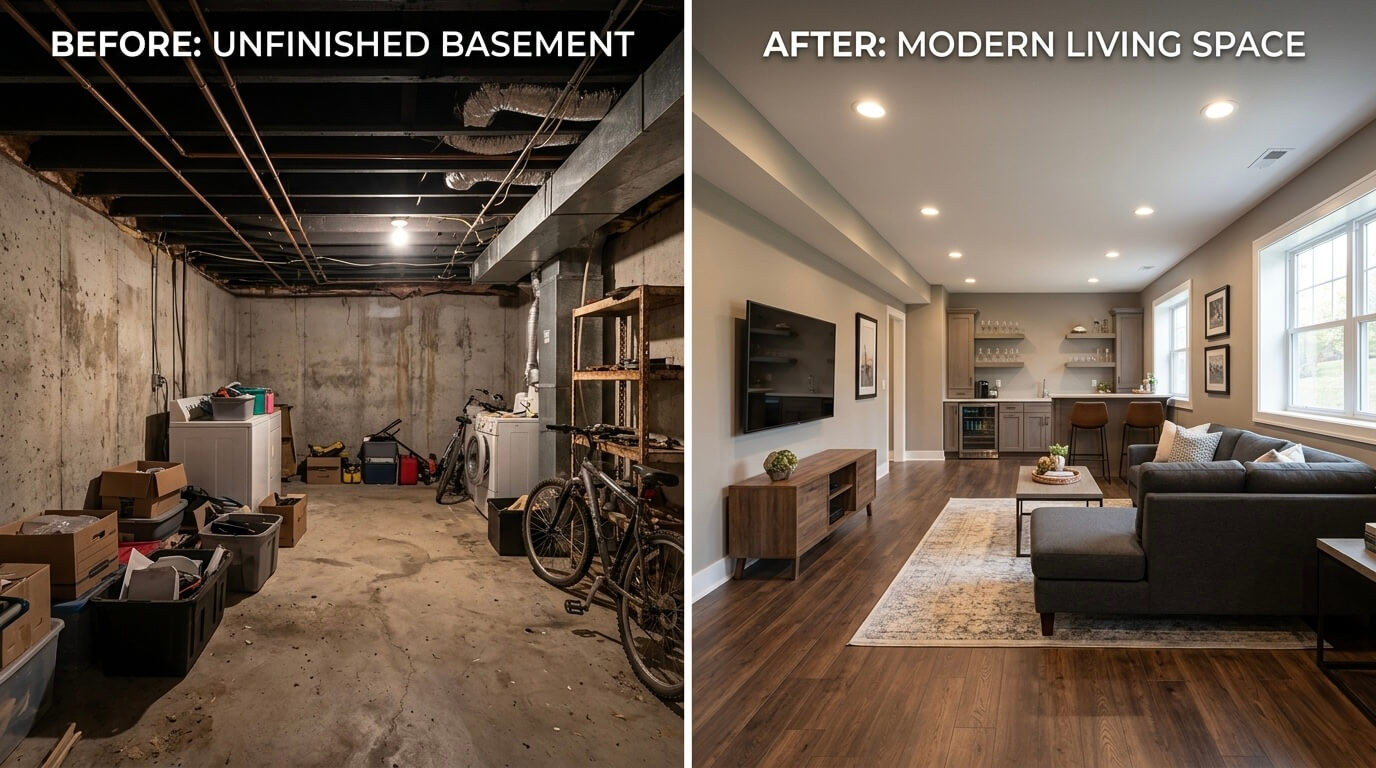
From space planning and layout design to permit approvals and final inspections, experienced contractors provide end-to-end solutions tailored to local building codes. Whether you’re converting your basement into a bedroom, home office, or entertainment space, working with professionals helps eliminate guesswork and reduces the risk of costly errors.
As permit requirements and inspection standards continue to evolve, especially in jurisdictions like Fairfax County, partnering with a knowledgeable local team ensures your project moves forward smoothly, setting the stage for a successful and compliant basement transformation.
Get Help with Basement Finishing Permits in Fairfax County
Navigating permit requirements can be one of the most complex parts of any basement project. That’s where working with a trusted local contractor makes a significant difference.
US Home Design Build is a Northern Virginia-based remodeling company with extensive experience handling basement finishing projects in Fairfax County and surrounding areas. Their team understands local building codes, permit procedures, and inspection requirements—ensuring every project is completed efficiently and in full compliance.
From preparing detailed construction plans to submitting permit applications and coordinating inspections, they manage the entire process on your behalf. This not only saves time but also minimizes the risk of delays, rejections, or compliance issues.
Address: 8200 Greensboro Dr #900, McLean, VA 22102
Phone: 703-202-3520
Website: www.ushdb.com
Contact US Home Design Build for professional basement finishing and permit assistance.
Crux of the Matter
Finishing a basement without understanding permit requirements can lead to serious legal and financial consequences. In Fairfax County, permits are not optional for most basement projects, they are a critical part of ensuring safety, compliance, and long-term property value.
Whether you’re adding a bedroom, installing new systems, or redesigning your space, securing a basement finishing permit Fairfax County VA is essential to avoid fines, failed inspections, and resale complications.
Working with an experienced local contractor simplifies the process, ensures full compliance with building codes, and helps you complete your project with confidence. For homeowners in Northern Virginia, taking the right steps from the beginning is the key to a smooth, legally sound basement finishing experience.
Contact US Home Design Build for professional basement finishing and permit assistance.
